Are Freeze-Dried Meals Safe and How Long Do They Last

If you have ever stood in the camping food aisle wondering whether freeze-dried meals are actually safe to eat or how they could last for decades, you aren’t alone. These are two of the most common questions people have before they buy, and the answers are a lot more reassuring than most people expect. Here is the full story on what makes freeze-dried food safe, how long it actually lasts, and what you need to know before stocking your pack or your pantry.

What Freeze-Drying Actually Does to Food

Freeze-drying is a preservation process that removes nearly all moisture from food while preserving its structure, flavor, and nutritional content. The process works by first freezing the food solid and then placing it in a vacuum chamber where the frozen water converts directly from ice to vapor without ever becoming liquid. The result is a lightweight, shelf-stable product that comes back to life once water is added and tastes remarkably like the original.

This matters for food safety because moisture is the primary driver of food spoilage. Bacteria, mold, and yeast all require water to grow, and without it, they simply can’t survive. Freeze-drying doesn’t rely on chemicals or artificial preservatives; it achieves shelf stability purely by removing moisture, which is why the process has been used by industries ranging from pharmaceuticals to military rations for decades.

Are Freeze-Dried Meals Actually Safe to Eat?

The short answer is yes, and it’s not even close. Freeze-dried camping and backpacking food from reputable manufacturers starts with fully cooked meals, meaning the food has already been through the heat process that eliminates harmful pathogens before it ever enters the freeze-dryer. By the time a pouch or can reaches your hands, it has been cooked, freeze-dried, and sealed in an oxygen-free environment that prevents any further microbial activity.

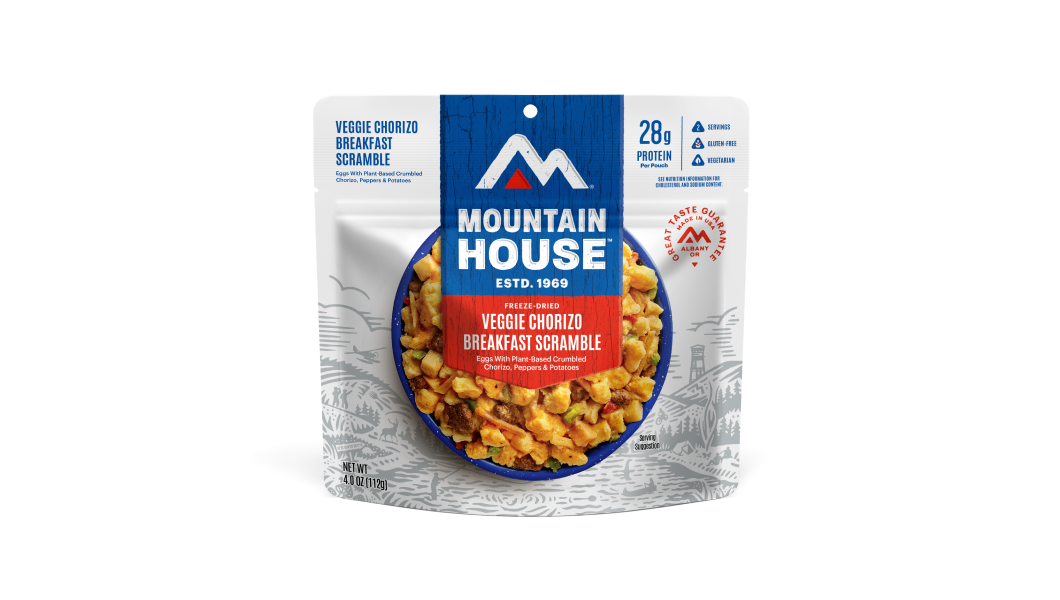
Mountain House takes this a step further by making all of its freeze-dried meals at its own facility in Albany, Oregon, with no co-packers or third parties involved in production. That level of vertical control means quality and safety standards are applied consistently from the moment ingredients arrive until the final product is sealed. There are no shortcuts in the supply chain because there is no supply chain to speak of; it is all done in-house.

How Long Do Freeze-Dried Meals Last?

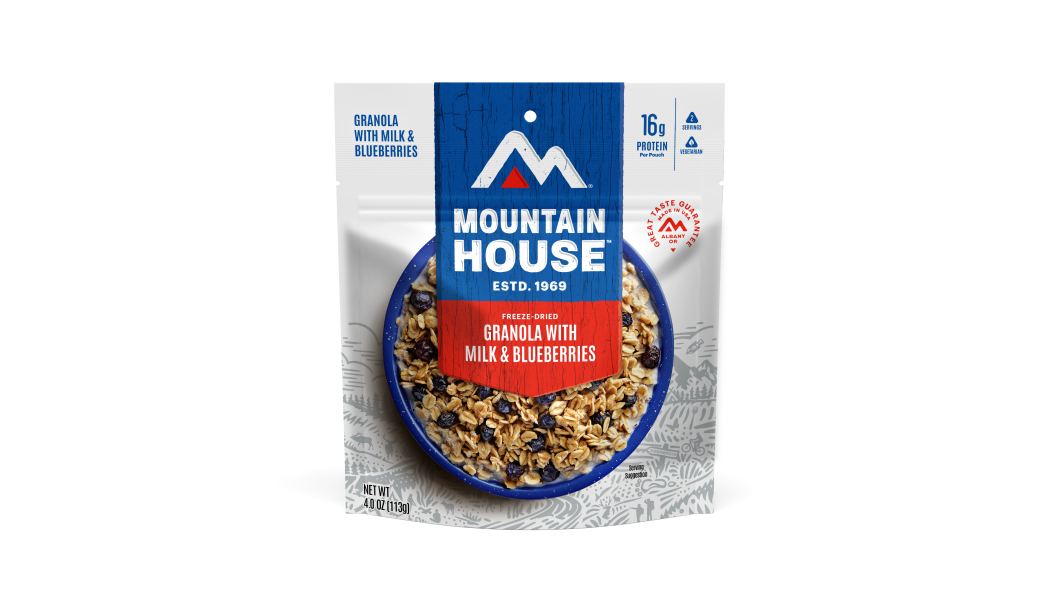
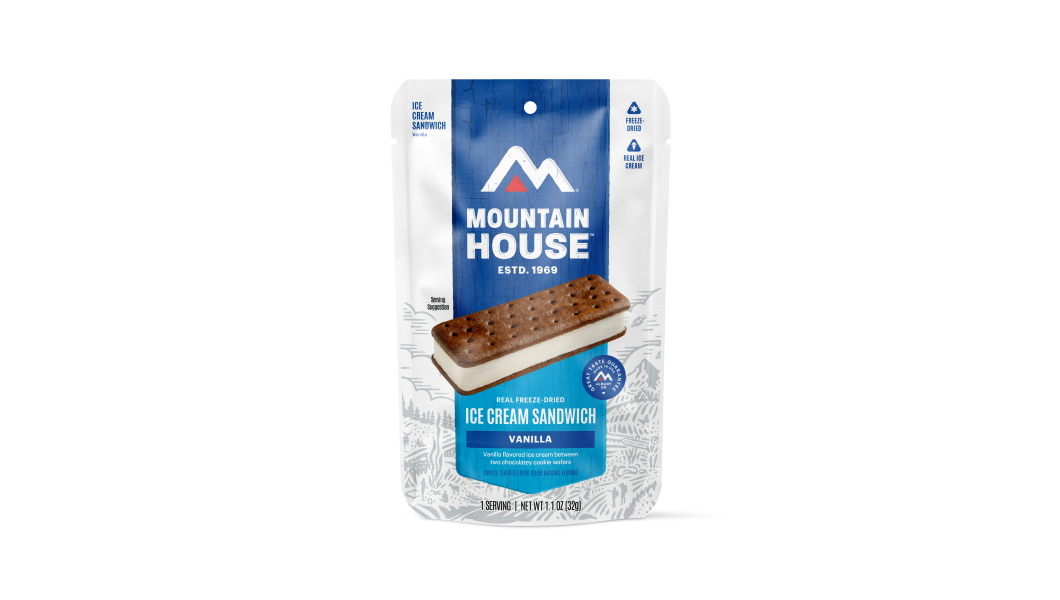
This is where freeze-dried food really sets itself apart from other packaged food on the market. Our freeze-dried meals have a shelf life of 30 years, and Mountain House backs that up with a taste guarantee, not just a safety date. That means we’re confident enough in the quality of our products, even three decades later, to stand behind how it tastes, not just whether it is technically edible.

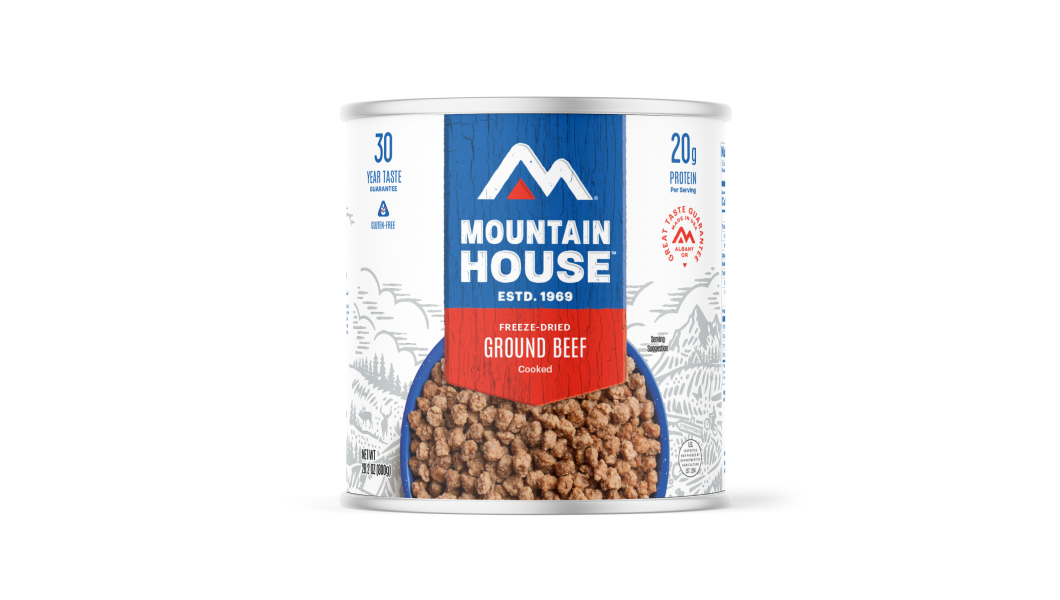
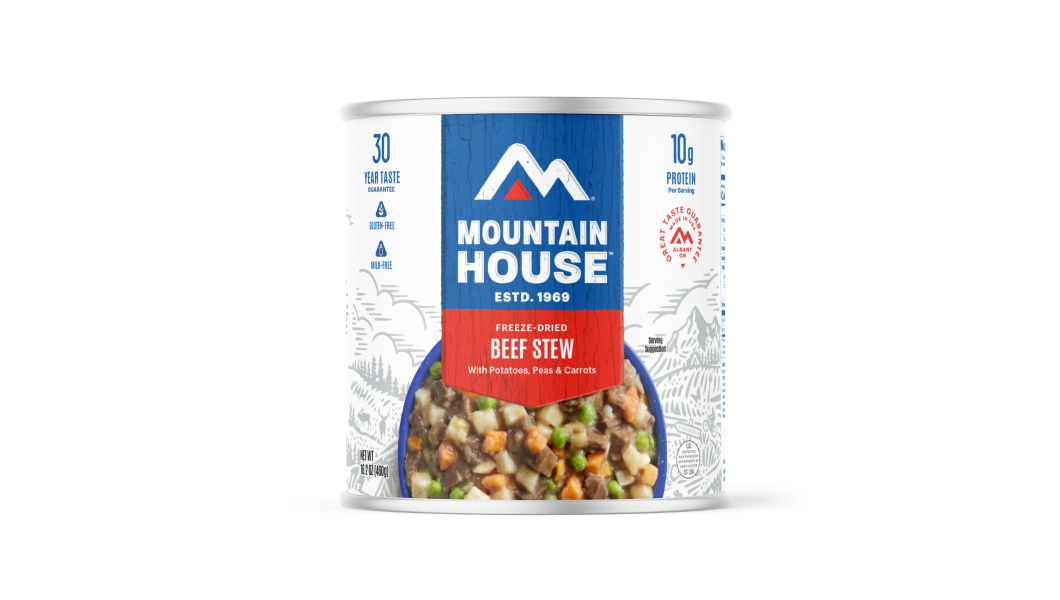
The 30-year shelf life applies when pouches are stored under reasonable conditions, meaning a cool, dry environment away from direct sunlight and extreme temperature fluctuations. You don’t need a bunker or a climate-controlled storage unit to make it work; a basement shelf, a closet, or a dedicated pantry space will do the job. Our #10 cans follow the same principle and are an especially popular option for long-term storage, given their durable construction and large serving capacity.

What Affects Shelf Life Once a Package Is Opened

The extraordinary shelf life of freeze-dried food only applies to sealed, unopened packaging. Once you open a pouch and add water, you have a freshly rehydrated meal that should be eaten right away, just like any other cooked food. If a pouch is opened but not used, it can be resealed and will maintain reasonable quality for a few days with proper storage - but the long-term preservation window closes the moment moisture is introduced.

For #10 cans, the rules are a bit different because a single can contains multiple servings and isn’t eaten all at once. Once opened, the remaining contents should be kept sealed, stored in a cool, dry place, and used within a week for best results and taste. The key is to minimize the food's exposure to humidity and air after opening, which means using a resealable lid and avoiding storing open cans in humid environments, such as garages or outdoor storage sheds.

Freeze-Dried vs Other Long-Shelf-Life Foods

People often compare freeze-dried meals to canned goods, dehydrated food, and MREs when evaluating long-term food options. Each has its place, but freeze-dried food consistently wins on the combination of shelf life, taste, nutrition retention, and pack weight. Standard canned goods typically last 2 to 5 years, dehydrated food often lasts 5 to 10 years, and MREs are generally rated for 3 to 5 years at moderate temperatures. None of them comes close to the 30-year window that Mountain House freeze-dried meals deliver.

The taste difference is also significant when comparing freeze-dried to dehydrated food. Dehydration uses heat to remove moisture, which can noticeably alter texture, color, and flavor. Freeze-drying, on the other hand, preserves the food’s cellular structure, which is why rehydrated freeze-dried breakfast entrees, pasta dishes, and protein-based meals taste so much closer to their freshly cooked counterparts. For anyone storing food for emergency preparedness or long-term outdoor adventures, that quality difference makes a big impact over time.

Storing Freeze-Dried Food the Right Way

Getting the most out of your freeze-dried food investment comes down to storage basics: cool temperatures, low humidity, and protection from light. Heat is the one environmental factor that can meaningfully shorten shelf life, so avoiding areas that experience high heat, like attics, vehicles, and spaces adjacent to appliances, is the most important storage rule to follow. Consistent, moderate temperatures are far better than environments with dramatic swings between hot and cold.

Beyond temperature, keeping your freeze-dried meals and entrees in their original sealed packaging until you’re ready to use them is the single best thing you can do to protect your investment. The packaging is specifically designed to block oxygen and moisture, and there is no reason to transfer the contents unless the original packaging has been compromised. Set up your storage right from the start, and your freeze-dried food will take care of itself for years to come.

Ready to Stock Up With Confidence

Now that you know freeze-dried meals are safe, shelf-stable, and genuinely built to last, the only question left is which ones to grab first. Shop the full Mountain House collection today!


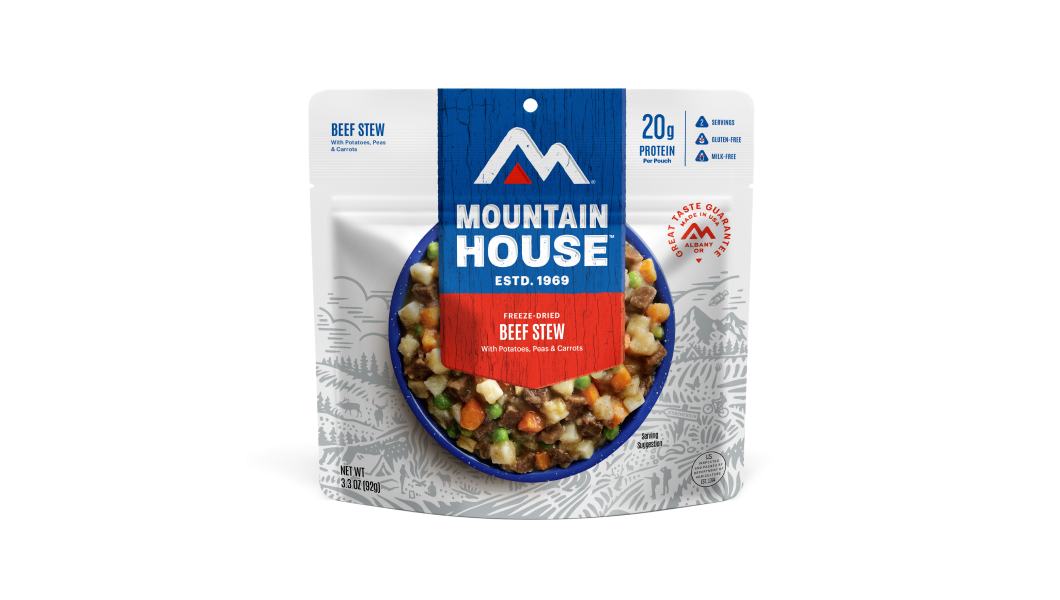
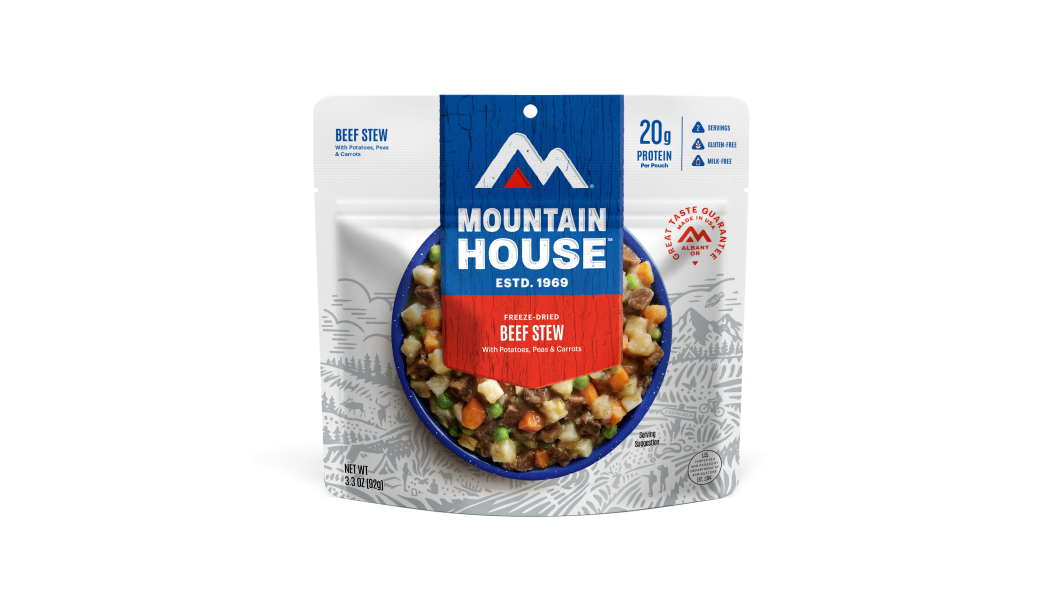
Inspired for an Adventure? Check out Beef Stroganoff - Pouch and Beef Stew - Pouch