Hunting Season Food Prep for Multi-Day Trips

The right food for hunting trips needs to keep you fueled from first light to last. It needs to deliver enough calories for long days in the field and handle the unpredictable nature of a multi-day trip. For most multi-day hunts, the best approach is a mix of calorie-dense snacks and freeze-dried meals that are quick to prepare, easy to pack, and leave almost no cleanup behind.

What Hunting Trip Food Needs to Do

Food planning starts with understanding your hunting setup. A backcountry hunt covering steep terrain and long miles each day demands a different approach than a basecamp hunt where you return to the same spot each night. Distance, elevation, weather and daily conditions all play a role in how much fuel you need and what foods make the most sense to bring. Good hunting food should meet five basic goals.

Provide enough energy

Long days in the field - whether hiking and climbing steep terrain, covering miles between glassing spots, or staying focused from camp -  require consistent fuel. Even slower-intensity hunts can burn significant calories over several days. Falling short on caloric intake early can leave you drained later in the trip.

Include protein throughout the day

Protein supports recovery after physical effort, but it should be balanced with carbohydrates and fats. Carbs provide quick energy, while fats deliver more calories per ounce. A mix of all three works best.

Work without a long stop

Midday in the field usually isn’t the time for a full cooking setup. Snacks and lunches should be easy to grab, quick to eat, and keep you moving without slowing down the hunt. Save longer meal prep for camp when you settle in and refuel.

Handle rough conditions

Food may face cold, moisture, and repeated packing. Packaging should be durable, and anything sensitive to water should be protected before the trip.

Bring food you want to eat

A perfect plan on paper only works if you actually eat it. Familiar flavors, variety, and a few comfort-food favorites can make all the difference when you’re tired, cold, or facing tough conditions in the field. Pack meals you look forward to eating, not just meals that check a box.

How Many Calories Should You Pack?

There is no one-size-fits-all for every hunter. Body size, terrain, weather, and daily workload all affect calorie needs. Many backcountry hunts require roughly 2,500 to 4,500 calories per day, with especially demanding days in steep terrain or extreme conditions pushing those needs even higher.

Think in terms of activity:

  • Light days: about 2,500 to 3,000 calories

  • Moderate days: about 3,000 to 3,800 calories

  • High-output days: about 3,800 to 4,500+ calories

  • Pack-in or pack-out days: often 4,000 to 5,000+ calories

Use your own experience as a guide and adjust for conditions.

When every ounce counts, food weight matters when everything is on your back. A common target for backcountry hunters is to pack foods that deliver at least 100 calories per ounce, helping maximize energy while keeping pack weight in check. Calorie-dense foods like nuts, nut butter, cheese, chocolate, and freeze-dried meals make it easier to carry the fuel you need without overloading your pack.

Plan Food Around Trip Length

Different trips call for different strategies.

Day hunts

Keep it simple. Start the day with a solid breakfast, pack easy no-cook foods, and plan to eat dinner back at camp or home. Good options include jerky, trail mix, bars, and sandwiches or wraps. Always carry a little extra food in case the hunt takes longer than expected.

Weekend hunts

Two- or three-day trips offer more flexibility. Pack quick, no-cook lunches for the day and save hot meals for dinner when you have more time. Freeze-dried meals are a great fit for these hunts because they're lightweight, easy to prepare, and require minimal clean-up.

Week-long hunts

Longer trips require more planning. Avoid food fatigue by rotating flavors and textures, and organize meals by day so you can track what you have and what you need. Plan stove fuel carefully, and pack extra for cold conditions.

Hot Food vs. Cold Food: When Each Works

A good plan uses both.

When no-cook food works best

Cold food is ideal when you don’t want to stop for a full meal. It lets you refuel during short breaks or even while staying on the move. Good options include trail mix, jerky, nut butter, tortillas, bars, dried fruit, and cheese. Keep these foods within easy reach so you can eat regularly without digging through your pack.

When a hot meal matters

Hot meals are at their best when you’re cold, tired, or settling into camp after a long day. They make it easier to get the calories you need and provide a morale boost when conditions (or the hunt) are tough. Many hunters prefer a hot dinner and sometimes a hot breakfast, depending on their schedule and weather conditions.

Freeze-dried meals are a versatile option because they can be prepared with either cold or hot water, giving you the flexibility when conditions change or a stove isn’t a convenient option.

Packing for Weather and Conditions

Weather can impact how you need to store your food on your trip, and it may even change what you need to bring.

Protect food from moisture

Use a waterproof liner or dry bag to keep food dry. Separate daily snacks from stored meals to reduce exposure.

Plan for cooking conditions

Cold and wind can increase fuel consumption, so pack enough for every planned meal, and bring extra for unexpected weather or delays. 

Consider cold temperatures

Some foods get tough in cold temperatures. Keep snacks close to your body to prevent them from freezing,  or choose items that stay easy to eat when the temperature drops.

Plan water use

Your water does double duty in the backcountry, keeping you hydrated and preparing your freeze-dried meals. Plan enough for both, especially when hunting in dry country.

Store food properly

Follow local food storage regulations wherever you hunt. Freeze-dried meals still have scent and should be stored accordingly.

Sample Three-Day Meal Plan for a Hunting Trip

This example uses no-cook lunches and hot dinners.

Day 1

Day 2

Day 3

Adjust portions based on your needs and conditions.

Test Your Plan Before the Hunt

Try your food plan before your hunt on a day hike, a day of shed hunting, or another preseason outing. It’s the best way to see what works in the field and what needs adjusting. Pay attention to:

  • When you get hungry

  • Which foods are easy to eat on the move

  • How meals feel in the morning or evening

  • Water and fuel use

  • Foods you get tired of after eating them repeatedly

Use this feedback to refine your plan.

Pack for the Day You Might Have

The goal isn’t to pack the most food, but to pack the right food. Start with your calorie needs, then choose foods you’ll actually eat. Keep snacks within easy reach, protect everything from the weather, and plan on at least one satisfying hot meal each day to help you refuel and recover.

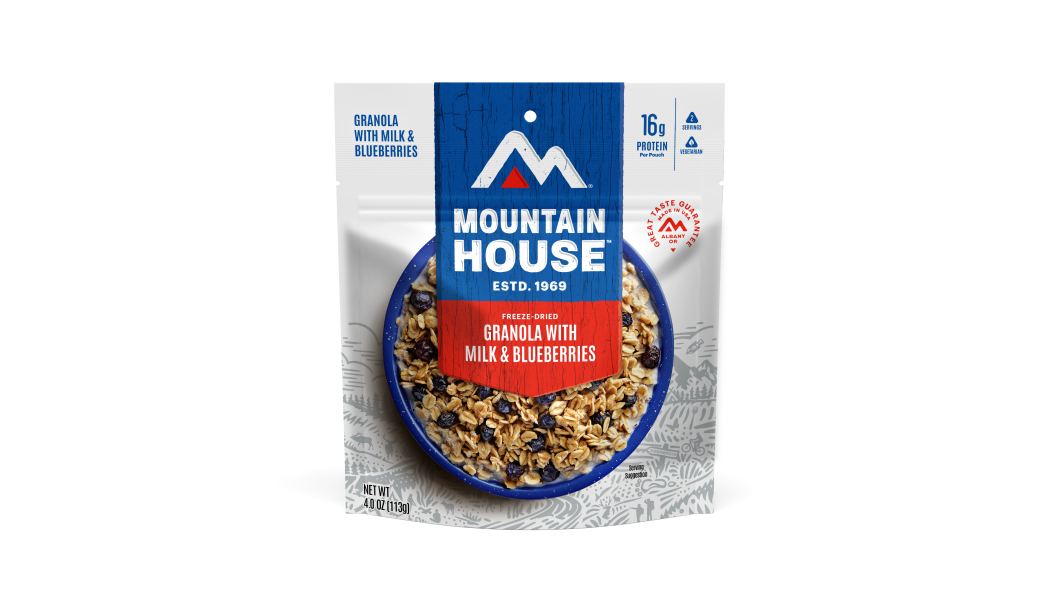
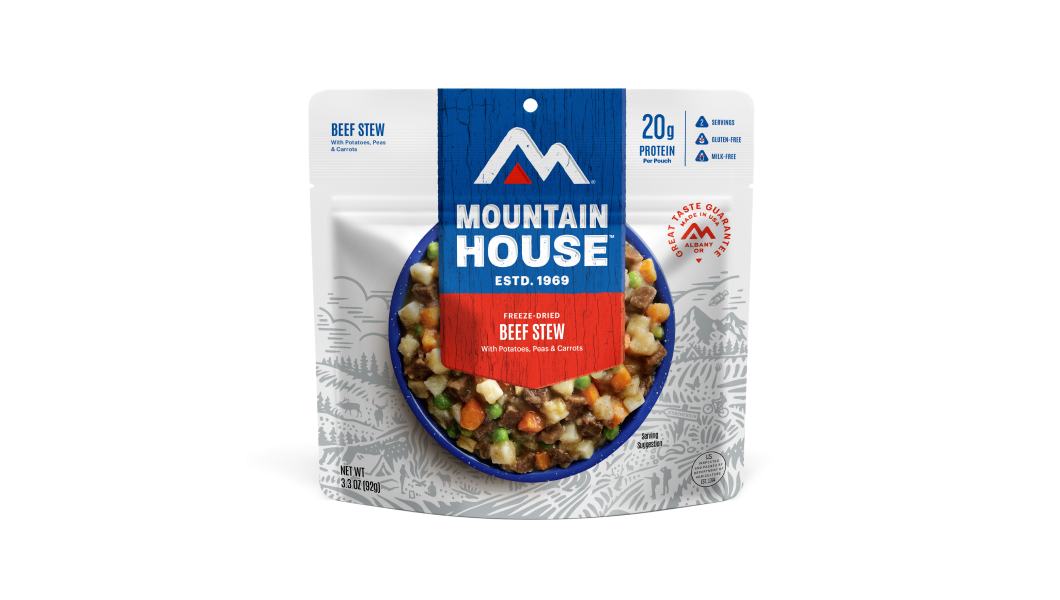
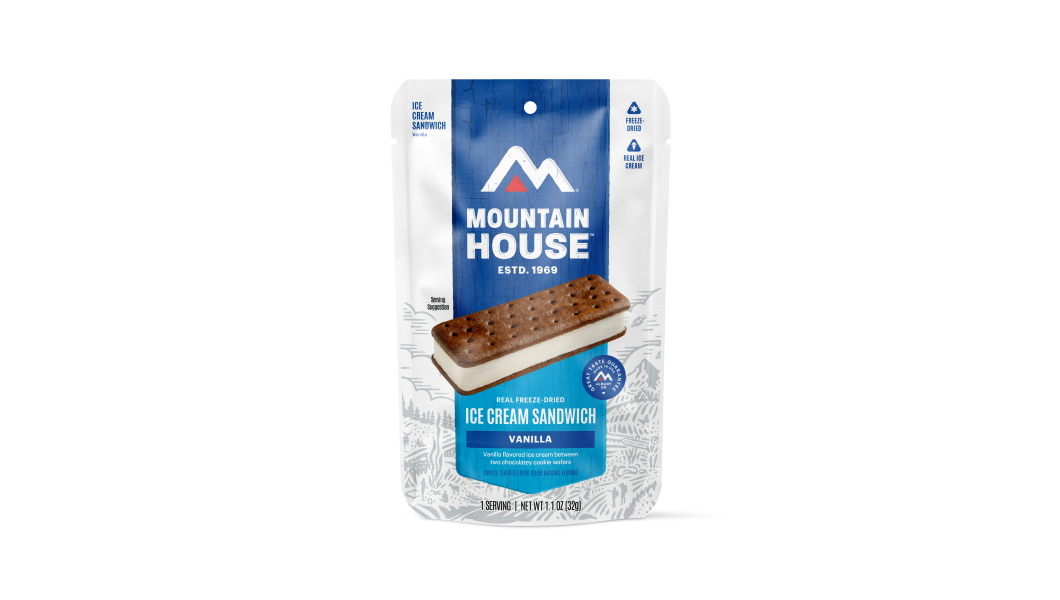
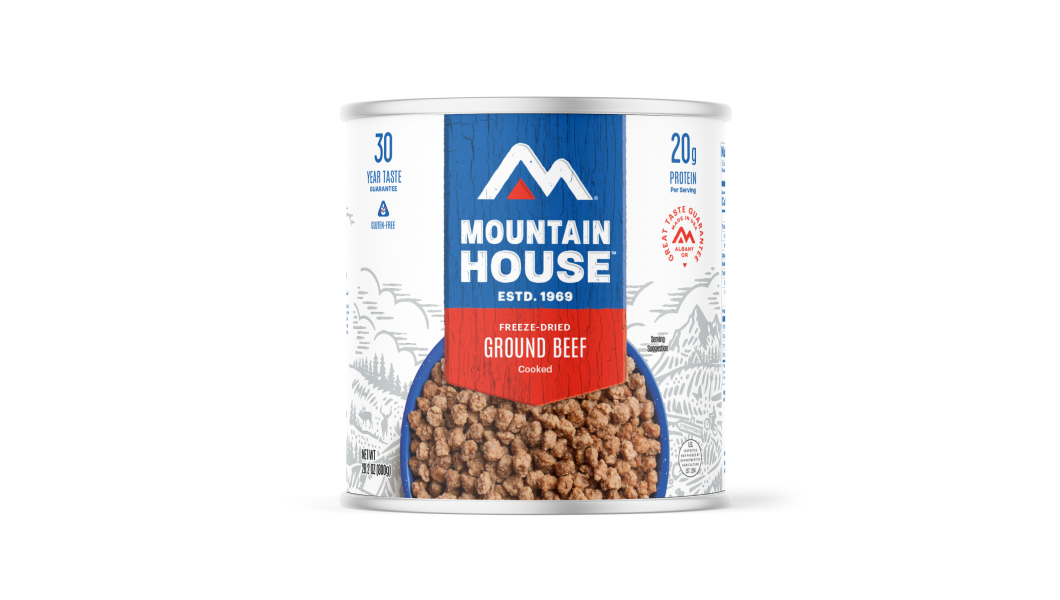
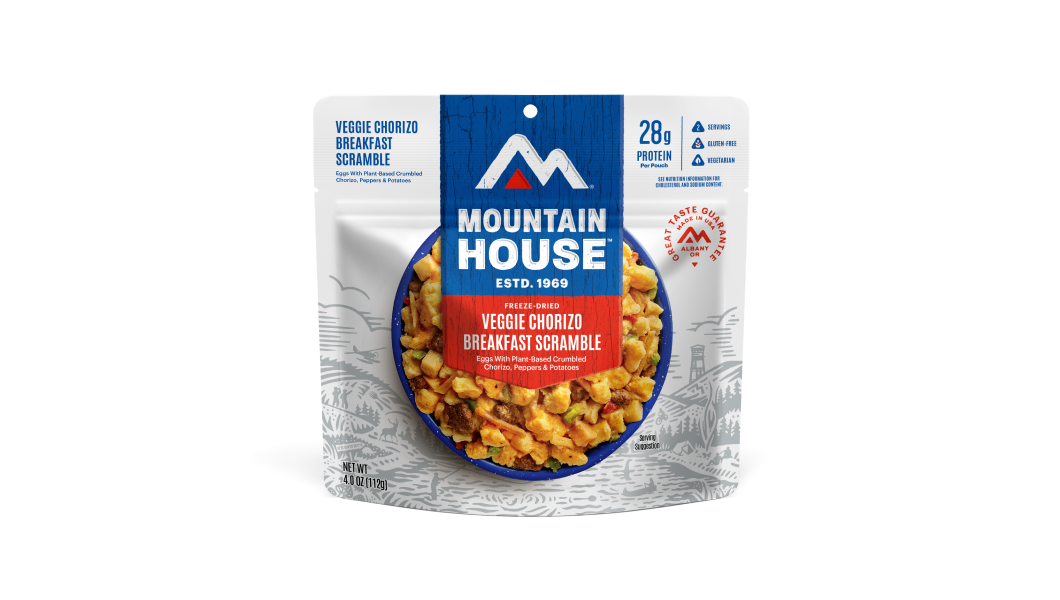
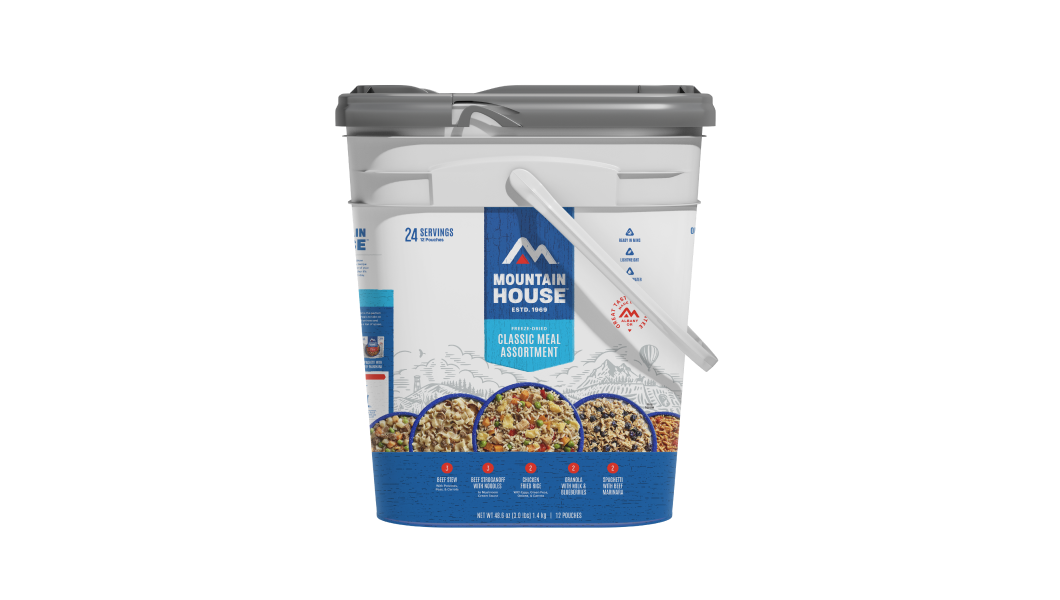
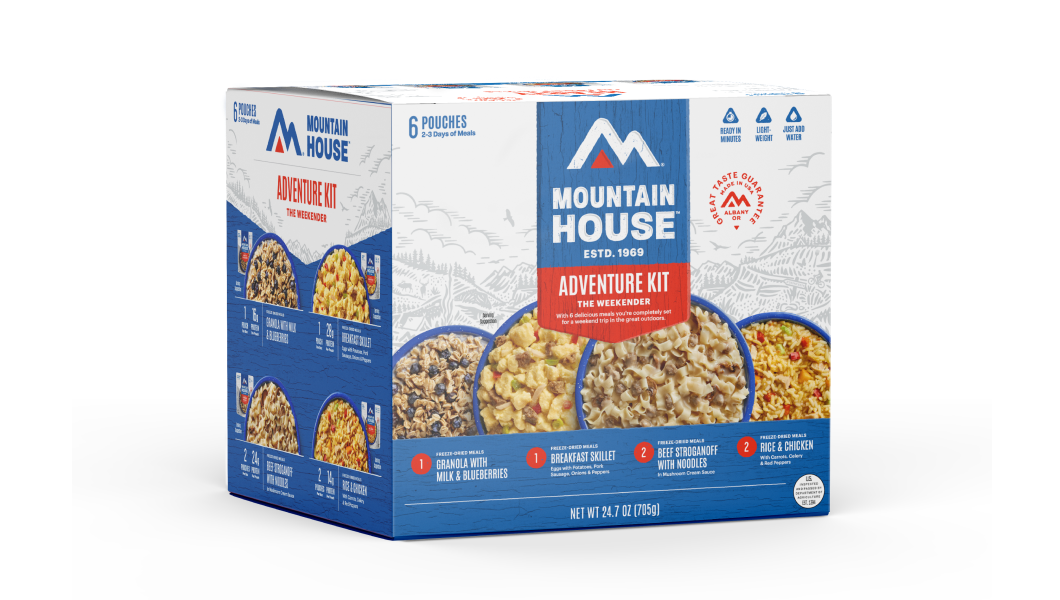
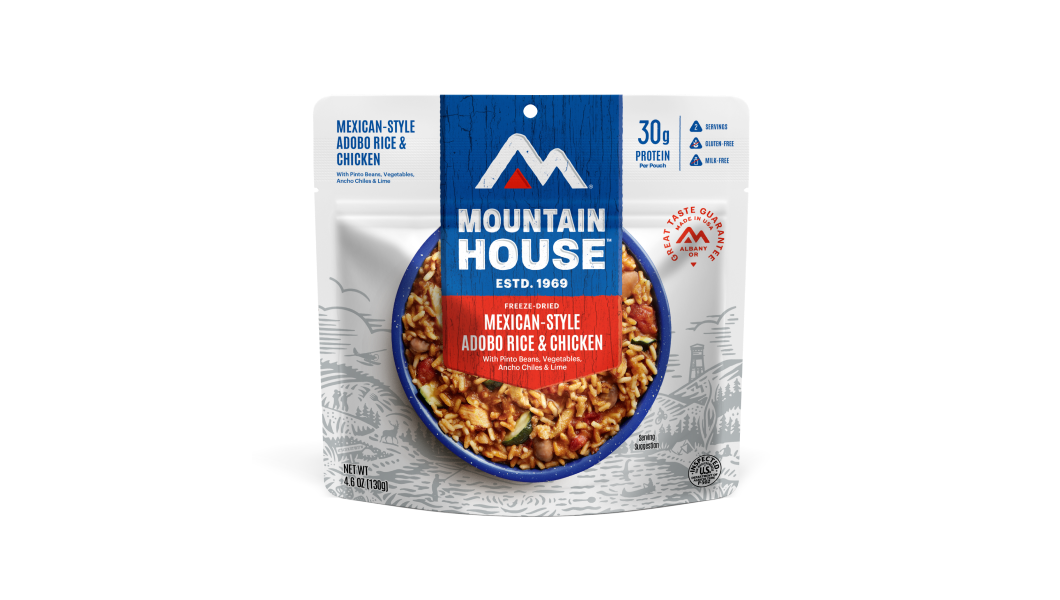
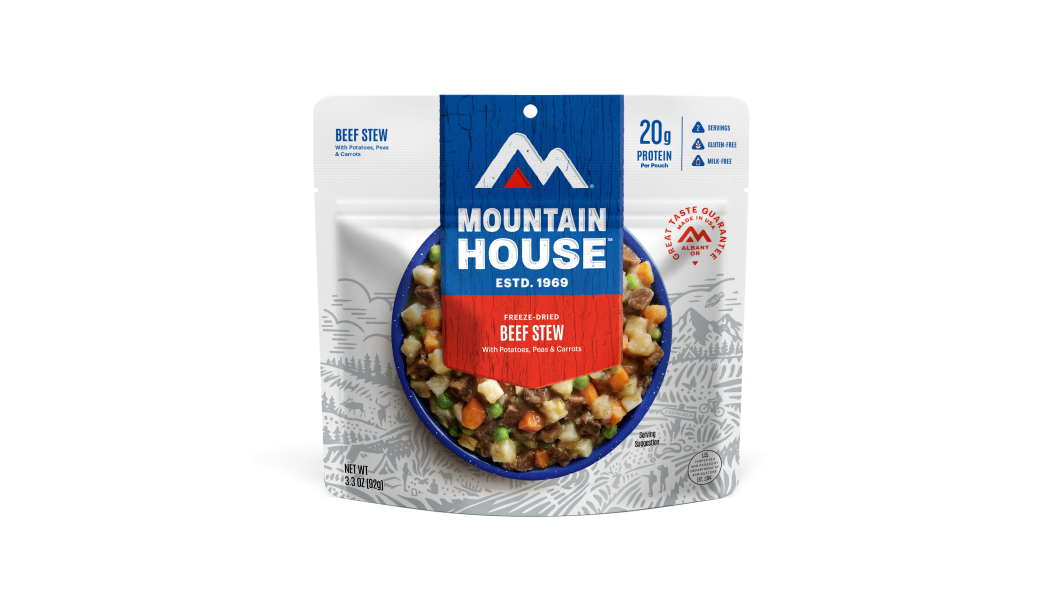
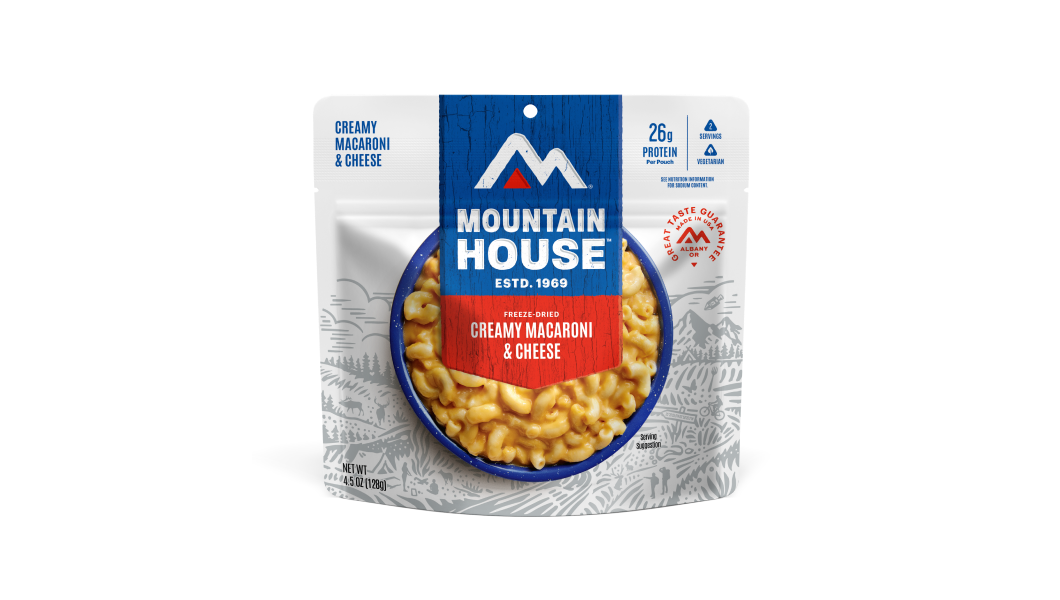
Build your hunting-season menu with Mountain House meals that packs light, prepares quickly, and deliver the calories you need after a long day in the field.

Frequently Asked Questions

How many calories should I pack?

Most plans fall between 2,500 and 4,500 calories per day, depending on activity and conditions.

Are freeze-dried meals good for hunting?

Absolutely. They’re lightweight, easy to pack, and simple to prepare with water.

How much food should I pack for a three-day hunt?

Multiply your daily calorie target by three and add a small reserve. Food weight often ranges from 1.5 to 2.5 pounds per day.

Can Mountain House meals be made with cold water?

Yes, but they take longer to rehydrate. In cold conditions, a warm meal can make a big difference after a long day in the field.

Do freeze-dried meals attract wildlife?

Yes. Like any food, they have scent and should be stored properly. Follow local regulations and wildlife storage guidelines.


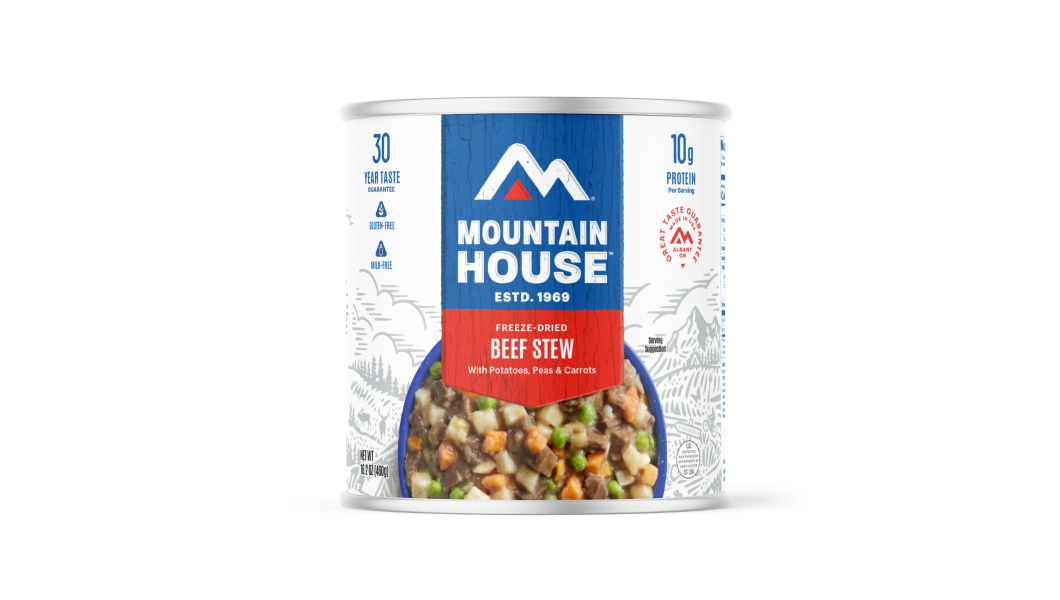
Inspired for an Adventure? Check out Beef Stroganoff - Pouch and Beef Stew - Pouch