

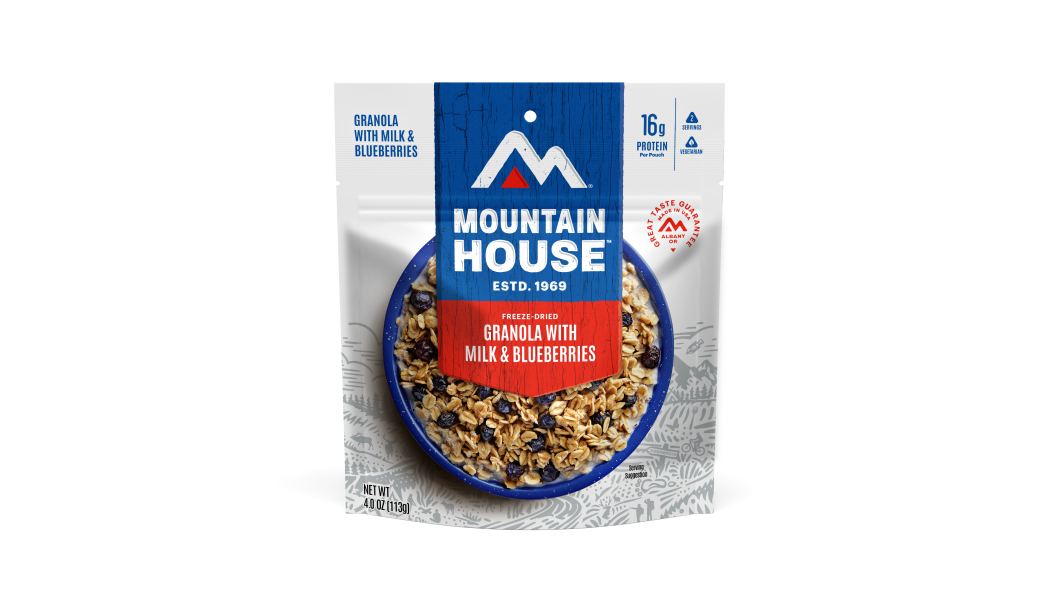
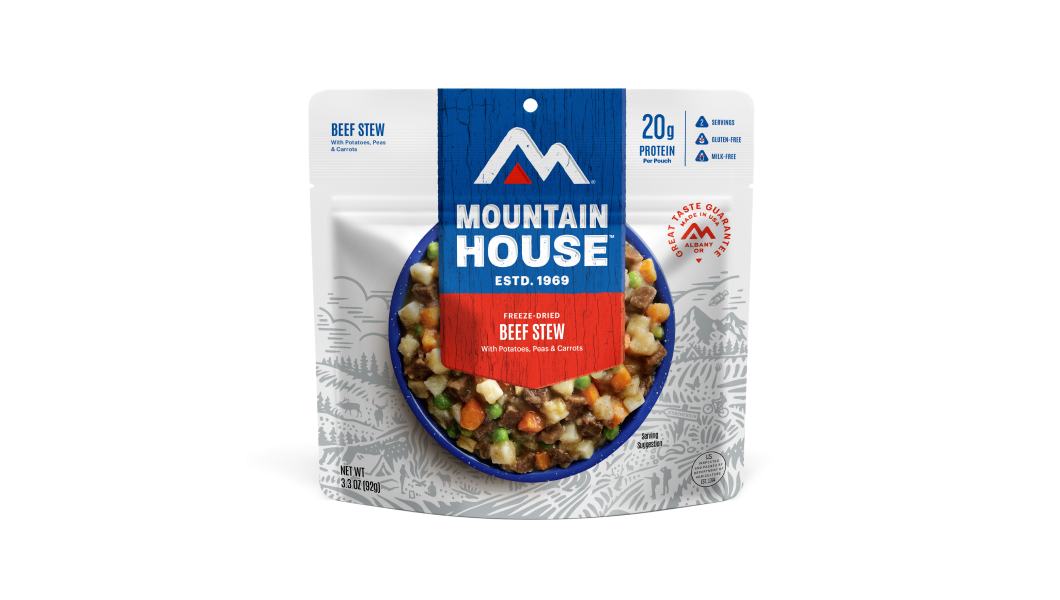
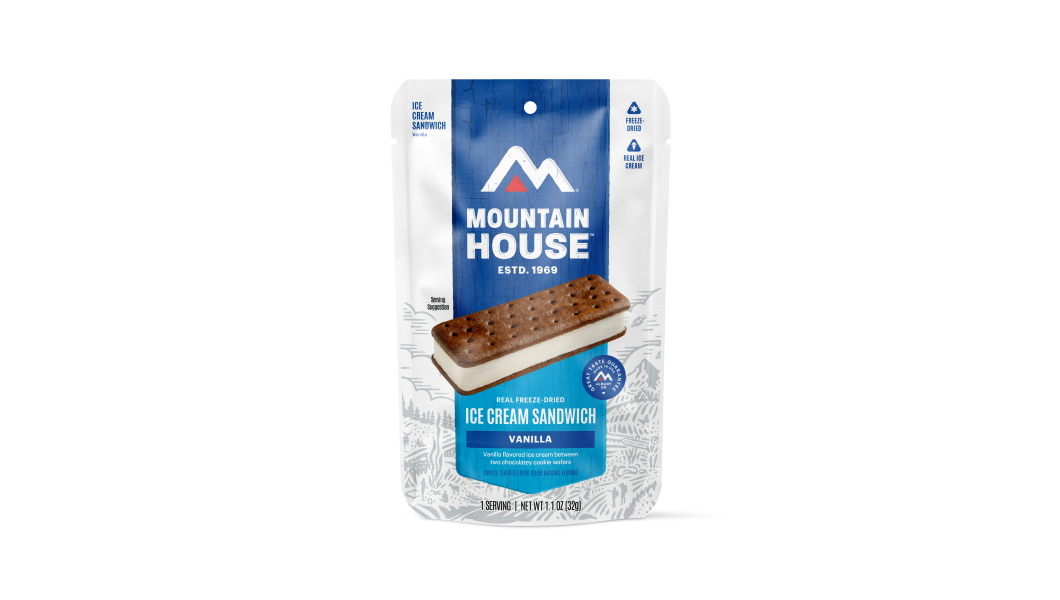
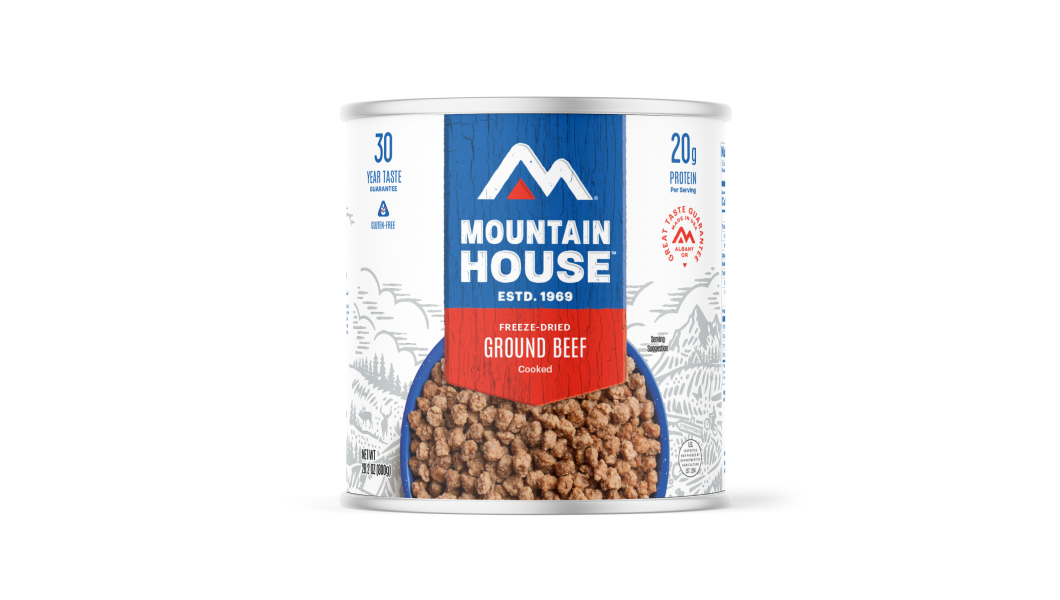


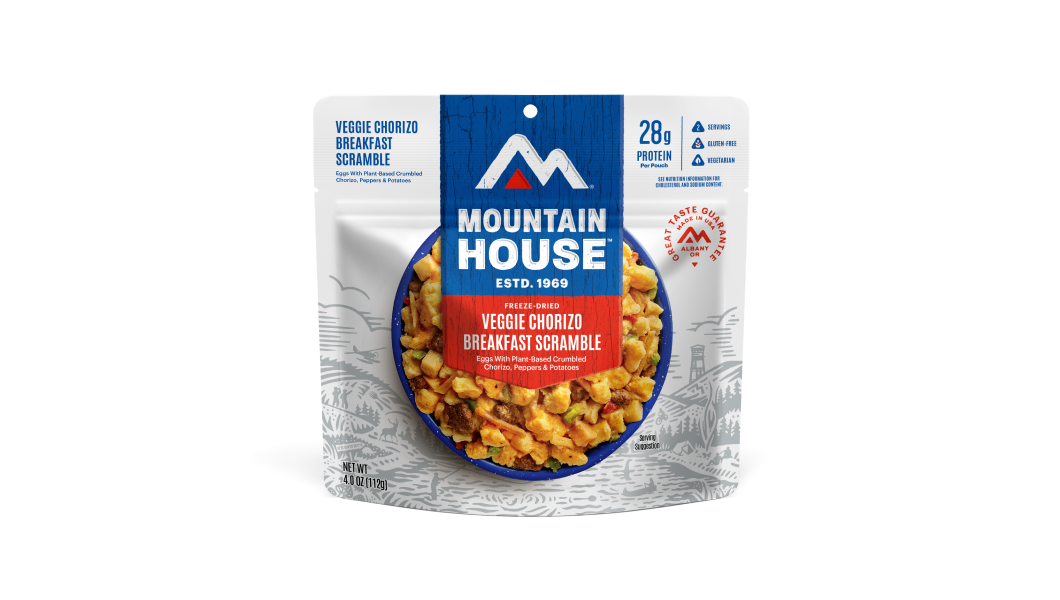
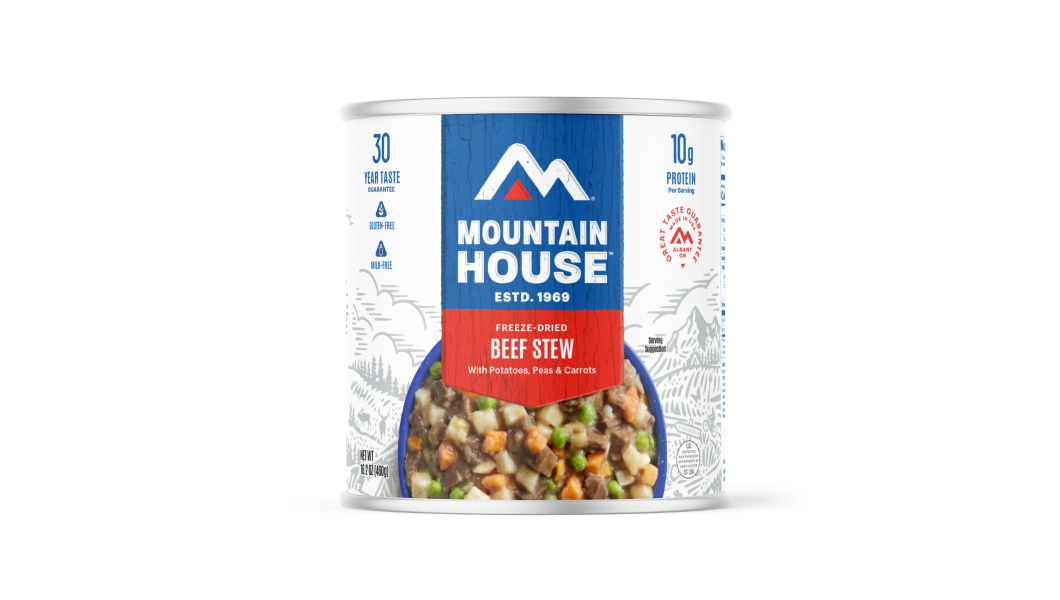


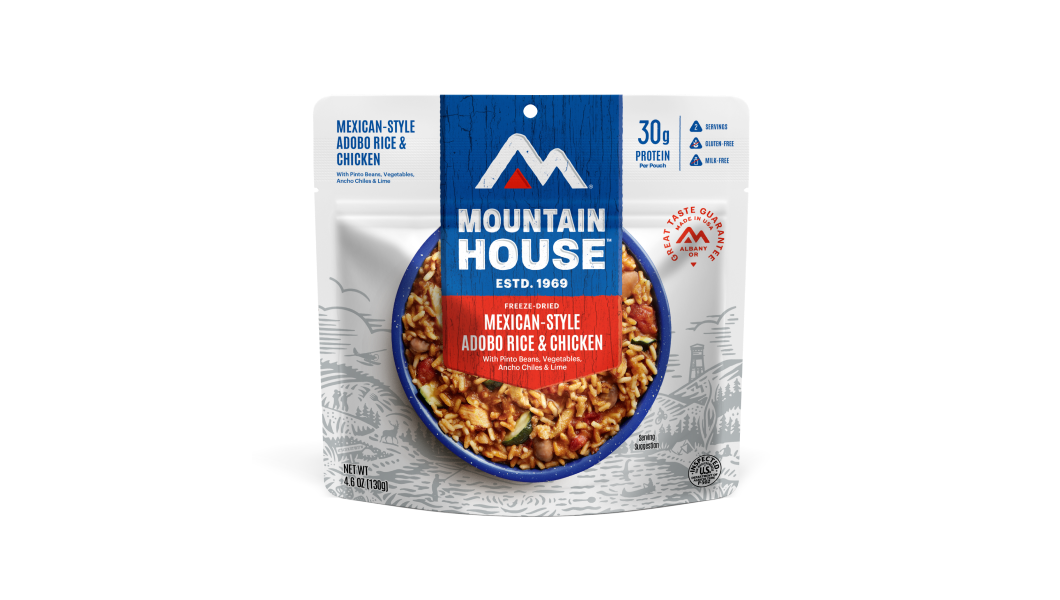
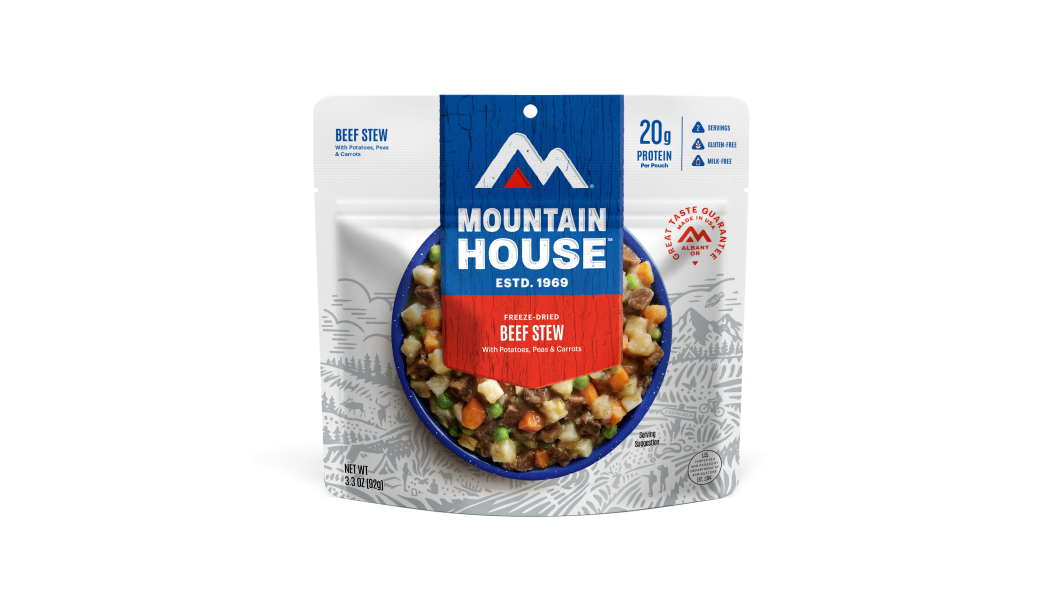
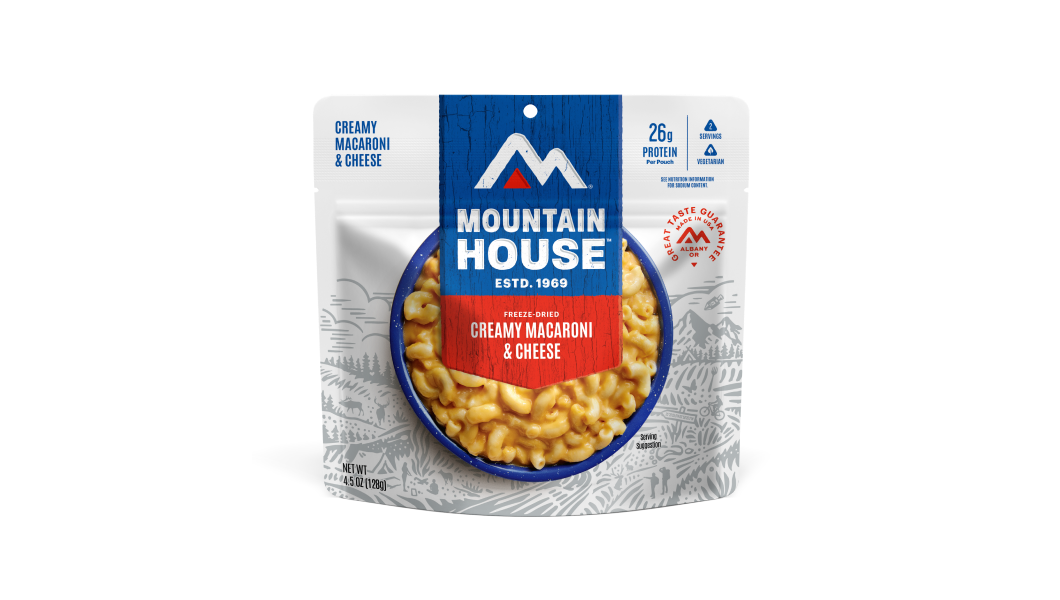


Inspired for an Adventure? Check out Beef Stroganoff - Pouch and Beef Stew - Pouch


These days, van life’s all the rage. It’s hard to deny the appeal: the freedom of the open road, the chance to live less encumbered by material possessions, the option of going off-grid with solar panels and the like, and embracing one’s self-sufficiency.
But for many new and aspiring van dwellers, one of the biggest challenges is food. Space is limited, storage it tight, and your kitchen often has to share room with everything else in your van.
Refrigeration is often another hurdle. Some vans have small electric or propane fridges, but power limitations and minimal space restrict what you can store. Others rely on coolers, which means constantly buying ice. And many vans have no fridge at all, especially when traveling off-grid or in places without easy access to stores.
It's all too easy to subsist on roadside junk food, but that's obviously less than ideal. Snack-aholic or fast-food diets may (sort of) work for a little road trip, but full-time van life's another story altogether. Good nutrition is vital to keep you healthy and energized for your extended - maybe open-ended - on-the-go adventure.
The nice thing is, it's not all that difficult to eat healthy, flavorful - heck, even exciting - van life food without a fridge. In this article, we'll focus on some of the best foods for van life, with an emphasis on those long-lasting, non-perishable staples for campervan cupboards that can provide a healthy foundation as your nomadic nosh!
And before you dive in, be sure to check out our Mountain House breakdown of van-life essentials!
What Are the Must-Have Food Staples for Van Life?
Keying into the following general categories of eats (which, as you’ll see, overlap some) will help you maintain a reasonably well-rounded menu out there on the road:
- Grains
- Fruits
- Vegetables
- Protein and dairy
- Starch
- Freeze-dried food
- Herbs, spices, seasonings, and condiments
- Snacks
Grains
Extremely long-lasting and nutrition-packed, grains, cereals, and pseudo-grains make an obvious staple food for van life. Oats, barley, millet, rice, couscous, quinoa, and pastas—these can serve as the hearty, healthy backbone of innumerable meals. The availability of instant and precooked grains ups the easy factor and makes for quick cooking times.
For an easy breakfast meal idea, combine oats with hot water to make a warm bowl of oatmeal, then add nuts, dried berries, and a drizzle of honey for a quick, healthy start to the day.
Fruits
Whether you’re adding to oatmeal or desserts, or dealing with a hardcore munchie craving, fruits are another one of your best friends during campervan crusades. Certain kinds of fresh fruit with peels or sturdy skins are well-suited to van life, including bananas, apples, and citrus, all of which can last awhile.
Then there’s dried fruit, providing a non-perishable, non-refrigerated standalone snack or versatile ingredient in cooked meals. You can purchase dried fruit or make your own with a dehydrator. Canned fruits such as peaches are yet another solid shelf-stable option.
For an easy lunch, spread nut butter on bread and top with sliced banana for a filling, no-cook meal that travels well.
Vegetables
Veggies are a must when it comes to van life food ideas, supplying essential vitamins and nutrients to keep the body up and running at its full potential.
- Root vegetables such as carrots, onions, and potatoes have a long shelf life.
- Instant mashed potatoes are a crowd-pleaser.
- Kale, cabbage, broccoli, and other brassicas kept reasonably cool can last several days, providing a wonderful source of fresh greens.
- Squash and bell peppers are other awesome veggies that hold up well outside the fridge.
- Beans, lentils, chickpeas, and other legumes, meanwhile, form another rock-solid base alongside grains when it comes to satisfying, healthy, no-fuss van-life meals.
For an easy side dish, sauté onions, potatoes, and a mix of other vegetables in a single pan to make a hearty, flavorful addition to any meal.
Protein & Dairy
Nuts, seeds, and hard cheeses (with their decent shelf life) serve as excellent sources of protein. So do those aforementioned legumes (and legume products, such as hummus), plus canned or vacuum-sealed tuna, salmon, and chicken. Powdered milk and eggs, jerky and cured meats, and peanut butter and other nut butters contribute protein as well. Speaking of powdered milk, it’s a super-easy, just-add-water source of dairy with endless uses. Powdered eggs are another option.
So are, actually, fresh eggs, particularly those purchased directly from farmers via farmers' markets or farmstands. Generally speaking—and there are exceptions—these last longer unrefrigerated than mass-market eggs from the grocery store.
For a meal idea, cook rice and top it with sauteed vegetables and canned chicken or chickpeas, then finish with a sprinkle of hard cheese or a drizzle of olive oil for a filling, balanced one-pan meal.
Starch
You don’t have to be hurting for starch in your van cupboards, needless to say. Everything from pastas, instant rice, and instant mashed potatoes to bananas and carrots supplies it. On the bread and breadlike front, tortillas provide excellent wraps and “edible utensils” alike that also boast a long shelf life. While a lot of conventional preservative-packed breads last long enough to use for sandwiches and the like, try tracking down some Danish-/Scandinavian-style rye for a truly nutritious, delicious loaf that holds up for weeks.
Warm tortillas and fill them with rice, hummus, beans, and sauteed vegetables to create quick, hearty wraps that work for lunch or dinner.
Freeze-Dried
Just about anything we’ve covered thus far can be freeze-dried, a process which greatly reduces bulk and greatly increases shelf-stability while preserving nutrients and flavors. Freeze-dried meals, side dishes, and ingredients such as we offer here at Mountain House make for utterly awesome van-life food ideas. They only require adding water, preferably hot, so you can enjoy a satisfying meal without using much fuel or cookware.
Meals like our Cheesy Pepperoni Pizza Bowl let you enjoy a cozy, comforting dinner in just minutes, with no refrigerated ingredients required and almost no prep or cleanup.
Herbs, Spices, Seasonings, and Condiments
Taking up very little room and lasting months or more, herbs, spices, seasonings, and condiments give you a welcome arsenal for gussying up otherwise bland or boring dishes, keeping things interesting in the vanlifer’s culinary department. From that tried-and-true tag team of salt and pepper to chili flakes, dehydrated onions and shallots, garlic powder, and packaged dried-herb mixes, a campervan spice cabinet is definitely the way to go.
And the fact that vandwellers definitely stockpile those easy-to-come-by, highly durable, highly stowable packets of ketchup, mayo, mustard, dressing, and other condiments isn't exactly insider knowledge.
Snacks
From carrot and celery sticks to dried fruit and jerky, lots of what we’ve already covered qualifies as (mostly healthier-than-average) snack food. Other van-life-friendly snack ideas include classic backpacker fare such as:
- Granola bars
- Protein bars
- Trail mix
- Hard chocolate (kept out of the sun as much as possible)
- Mixed nut packs
What Should You Consider When Choosing Food for Van Life?
Here are some basic things to keep in mind when selecting food for van life cooking.
Shelf Life
Foods that’ll last at least a few days to a week are best for your van-dwelling pantry. Canned, vacuum-sealed, and freeze-dried items are examples, as are uncooked or instant grains and pastas.
But when it comes to van life, how to store food—including shelf-stable items—is an important consideration. For one thing, repackaging oats, rice, noodles, and the like in airtight containers provides both better space efficiency and protection against moisture, rodents, and insects. And keep in mind that long-lasting raw nuts and seeds, while offering a pretty decent shelf life, will become rancid after a while.
Availability on the Road
When you're planning meals and snacks, think about how easy it will be to replenish certain items on the go. Some pantry staples and fresh ingredients are common at big supermarkets, but others, like specialty grains, certain plant-based proteins, or hard-to-find condiments, can vanish fast when you are grocery shopping in rural areas or small towns.
Before heading into remote stretches, stock up on reliable bases and substitutions, and be ready to adapt your menus based on what's actually in stock at local shops.
Cleanup and Waste Management
Food isn't just about what you eat, it's also about what you leave behind. In the close quarters of a van, easy cleanup and responsible waste handling make everyday living far more pleasant and eco-friendly. Choose foods and packaging that are simple to clean up or use in one-pot meals.
Personal Health/Dietary Needs
All vandwellers have their own unique nutritional requirements and culinary preferences, and many people must abide by specialized dietary restrictions (gluten-free, vegetarian, dairy-free, etc.) and food allergies. It goes without saying that these needs will influence what kinds of foods to have on hand and what healthy meals you can make.
Flavor
Don’t focus exclusively on nutrition, portability, and shelf life when organizing your van-life pantry. You definitely want to consider flavor as well, given the potential for getting utterly bored or uninspired with your nomad’s diet. Choose foods you love to eat and make sure you’re well stocked in the spices-and-seasoning department.
Space and Power Limitations
Van kitchens are all about working within limits. Before you plan meals, think about what your lifestyle and setup can realistically support. If you're running on a single burner, small propane supply, or battery-powered appliances, prioritize foods that cook quickly, require minimal heat, or can be made with just hot water.
No-cook options and one-pot meals reduce both energy use and cleanup, making daily cooking easier whether you're parked at a campground or boondocking off the grid.
Variety
Eating the same things every day gets old. Experiment with new and exotic (to you) grains, explore how shelf-stable standbys such as canned tuna, dehydrated tomatoes, or honey can be added to unexpected dishes, try some everything-but-the-kitchen-sink burritos and stir-frys, and challenge your creativity and maybe your comfort zone when groceries, international food stores, and farmers' markets present themselves.
Try some fun food hacks to kick up your meals a notch. If you purchase Mountain House meals, you can even elevate those by adding different seasonings, condiments, or toppings to keep your palate guessing.

The Sky's (Virtually) the Limit When Eating on the Road
As you get deeper into van life, your micro-kitchen, campstove cookery will only improve, and you’ll find yourself with an ever-expanding list of go-to meals and nibbles that’ll keep you functioning at your very best (and least "hangry") out on those highways, byways, and backroads.
And, naturally, be sure to consider Mountain House’s vast assortment of freeze-dried, just-add-hot-water goodness for your mobile pantry! Stock up on food supplies for your next road trip.


Leaf-Peeping Road Trip Meals
The best food for a fall road trip should allow you to keep your focus on the beautiful seasonal changes in the trees. A bucket of freeze-dried meals in the trunk does just that...
Read more


Best Freeze-Dried Food for RV and Van Life
Life on the road is about freedom, flexibility, and the thrill of waking up somewhere new. Whether you are parked beside a mountain lake or nestled in a desert canyon, you need ...
Read more


