Warm Meals for Ice Fishing

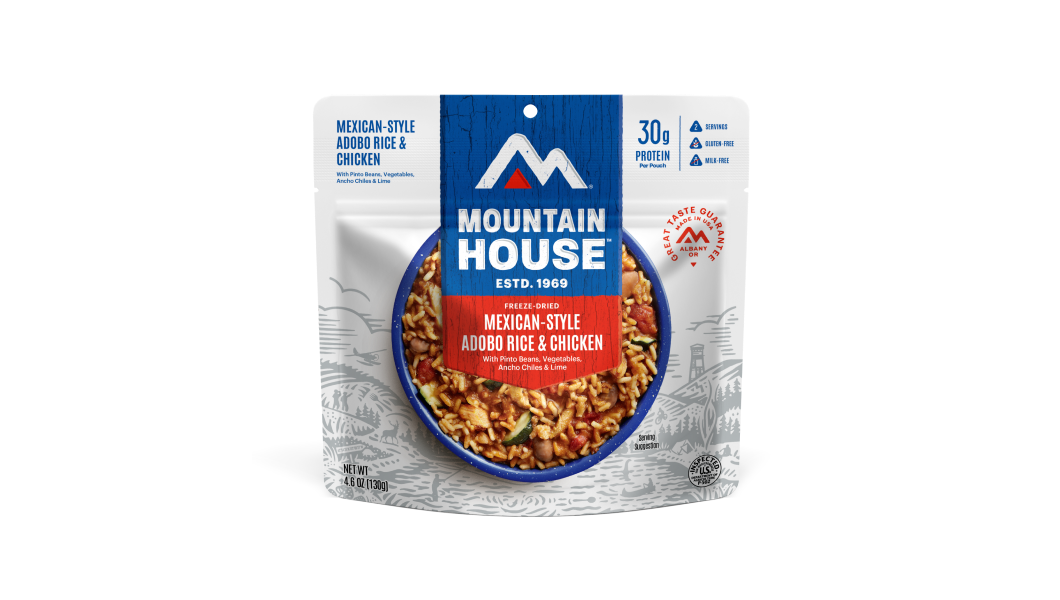
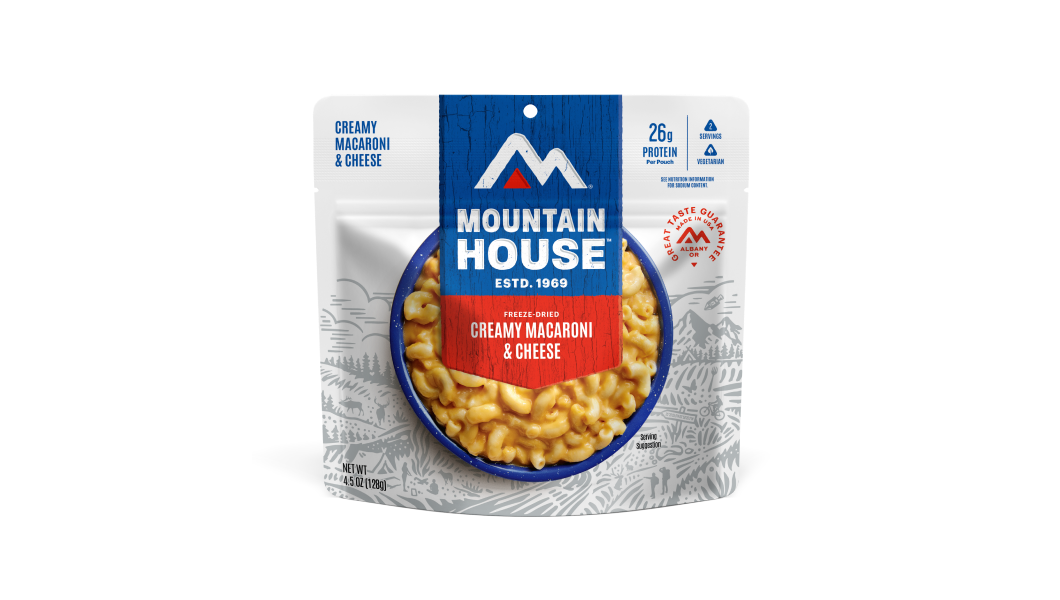
The best ice fishing food is a hot meal you can make with nothing but boiling water. A freeze-dried meal fits that job well. Add hot water to the pouch, wait 10-15 minutes, and eat straight from the bag (with your gloves on) while you watch your lines.

Best Ice Fishing Meals to Pack for the Shanty or Open Ice

Hearty, saucy meals provide warmth and comfort when it’s time to refuel. They stay warm while you're eating and feel like lunch or breakfast, not another handful of snacks from the sled bag. These just-add-water pouches are easy to work into a day on the ice.

  1. Biscuits and Gravy. A hot breakfast after you set up.

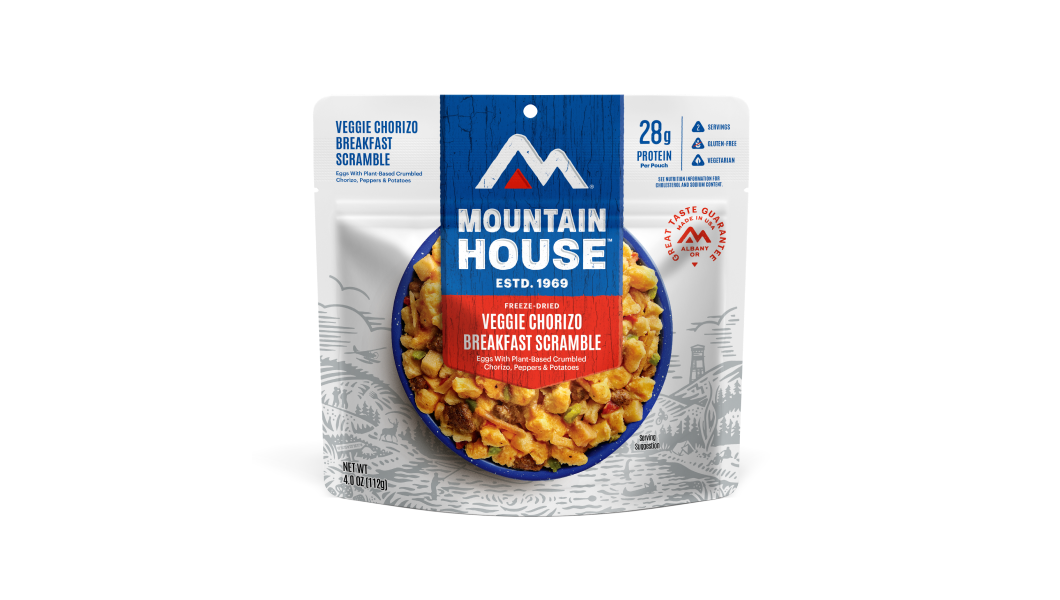
  2. Breakfast Skillet. Eat it from the pouch or roll it into a tortilla.

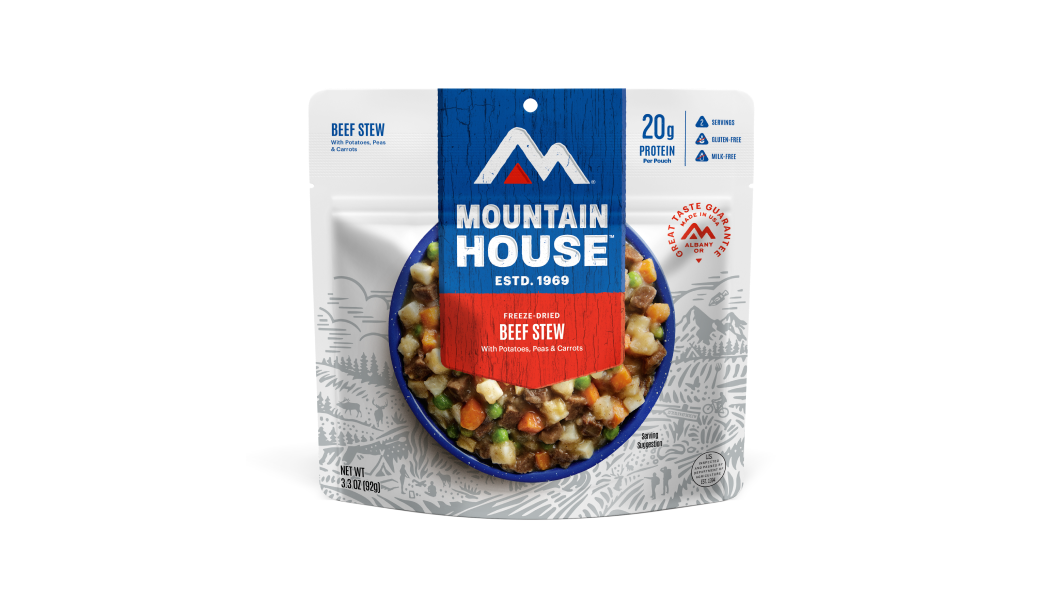
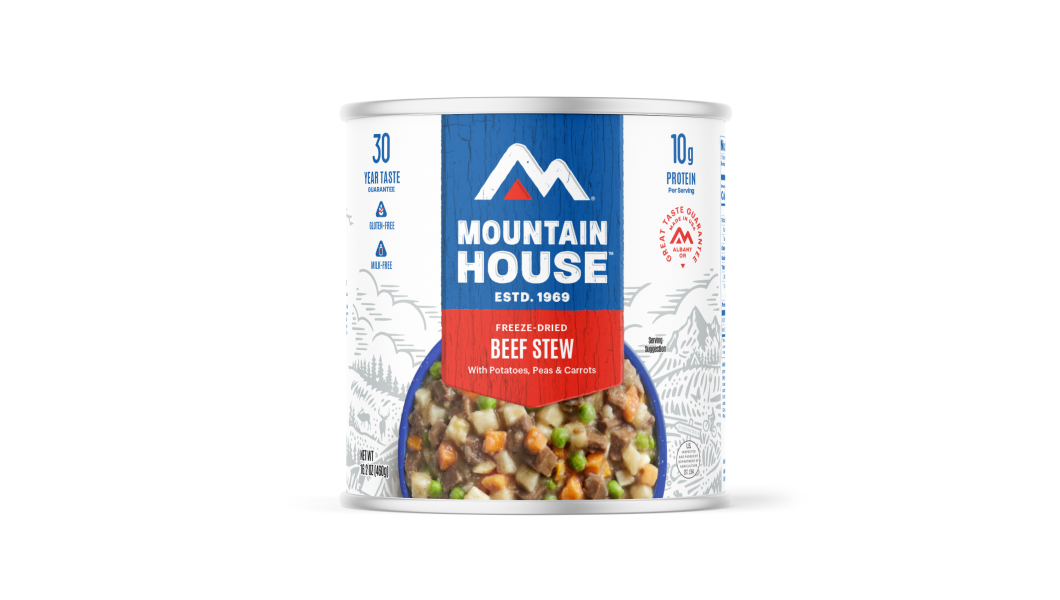
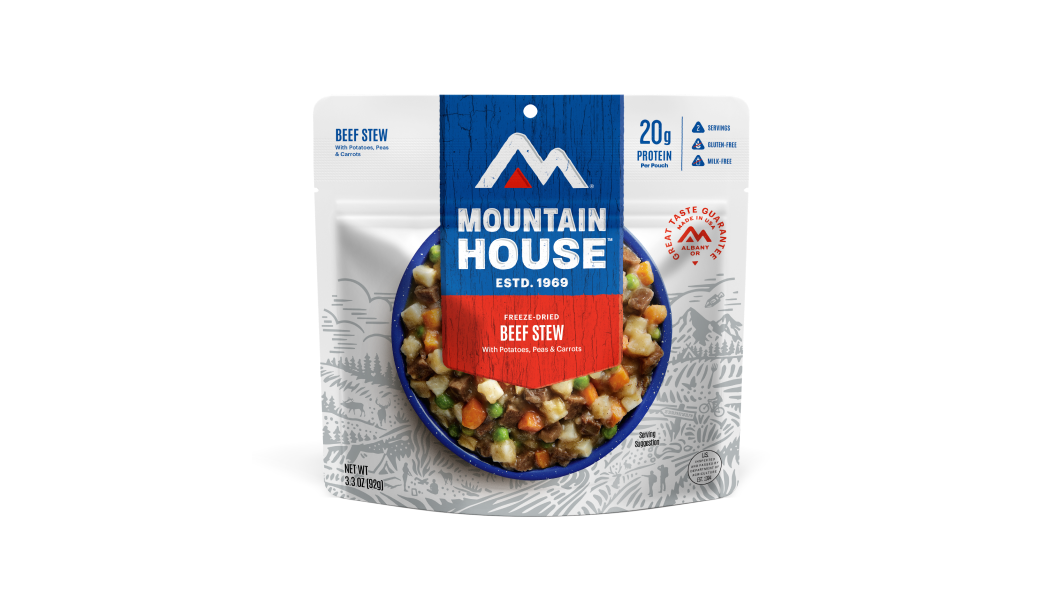
  3. Beef Stew. Warm and brothy, with beef, potatoes, and vegetables.

  4. Chili Mac with Beef. A hearty midday meal that sticks with you.

  5. Chicken and Dumplings. Comfort food for the coldest days of the season.

  6. Beef Stroganoff. Creamy and filling when the afternoon drags.

Our full range of freeze-dried meals has more to choose from.

Snacks That Work With Gloves On

A pouch can handle the hot meal, but most anglers still want something they can grab between bites. Shelf-stable jerky works well because there's no refrigeration to manage. Nuts and trail mix are easy to eat a handful at a time, and crackers or other dry snacks don't ask much of cold fingers. Chocolate can be a nice late-afternoon bite when you've been out for hours.

Bring a thermos for coffee, cocoa, cider, or broth. It gives you something warm without starting the stove again, and it's easy to pour a cup while you're watching lines.

How Do You Get Boiling Water on the Ice?

Bringing it from home is the simplest route. Fill a vacuum-insulated bottle with boiling water before you leave, then use it while the water is still very hot.

You can also boil water on site. A small stove and pot give you a way to make water for meals and drinks. Use a camp stove outside the shelter and follow the manufacturer's cold-weather instructions. Fuel-burning equipment inside an ice shelter creates a carbon monoxide risk.

When you're using a stove, set it on a board or stove base so it stays level and off the ice. Meal water varies by pouch, so check the directions, total what you'll need, and bring a little extra.

How Do You Keep Food and Water From Freezing?

An insulated cooler is useful even when you're trying to keep things from getting too cold. Its insulation slows the cold from reaching water bottles and snacks, so they stay usable longer. Starting with warm water buys you more time. For bars and chocolate, a jacket pocket is often the easiest place to keep the day's snacks soft enough to eat.

The pouches themselves are simpler. Unopened Mountain House pouches are dry and shelf-stable, so they don't need refrigeration or special handling during a day on the ice. Once you add hot water, seal the pouch and put it in a pouch koozy or wrap it in a spare hat or glove while it rehydrates. Eat it once it's ready because a hot meal can cool quickly in open air.

A Simple Ice Fishing Meal Kit

For one angler spending a full day out, this is enough to cover the meals, hot water, and the little things that are annoying to discover you forgot after you're already set up.

  • Meals. One breakfast pouch and one lunch or dinner pouch, plus a spare.

  • Hot water. An insulated bottle of boiling water, or a stove, fuel, pot, and lighter.

  • Meal water. The amounts listed on your pouches, plus a little extra.

  • Hot drinks. A thermos of coffee or cocoa, and a few extra drink packets.

  • Snacks. Jerky, nuts, crackers, and chocolate.

  • Utensils. A long-handled spoon reaches the bottom of the pouch.

  • Insulation. A pouch koozy or a spare hat.

  • Cleanup. A trash bag, so everything you bring leaves with you.

Mountain House meal pouches carry a 30-year shelf life, so unopened meals can go back in the pantry for the next trip. Still deciding where to go? Our guide to the best ice fishing lakes in the U.S. covers the where.

Frequently Asked Questions

What should you eat when ice fishing?

A hot meal you can make with boiling water, plus snacks that need no prep. Freeze-dried meals, jerky, nuts, crackers, chocolate, and hot drinks all work well in the cold.

Can you make a freeze-dried meal on the ice?

Yes. Add boiling water from a thermos or stove, seal the pouch, and wait 10-15 minutes. Keep the pouch insulated while it rehydrates.

Will freeze-dried meals freeze in the cold?

Unopened pouches are dry and shelf-stable, so they don’t need special handling during a day on the ice. Once you add water, keep the pouch insulated and eat it promptly. For long-term storage, follow the guidance on the package.

Can you use cold water for a freeze-dried meal?

Yes. Mountain House meals are fully cooked before they're freeze-dried, so cold water works in 20 to 30 minutes. On the ice, a hot meal is the better choice whenever you have hot water.

Keep a Hot Meal Within Reach

A long day on the ice goes better when lunch isn't another cold snack. Mountain House meals are cooked in small batches, then freeze-dried, the same process we've used since 1969. Stock up today on pouches and keep a few packed for your next day on the ice.


Inspired for an Adventure? Check out Beef Stroganoff - Pouch and Beef Stew - Pouch