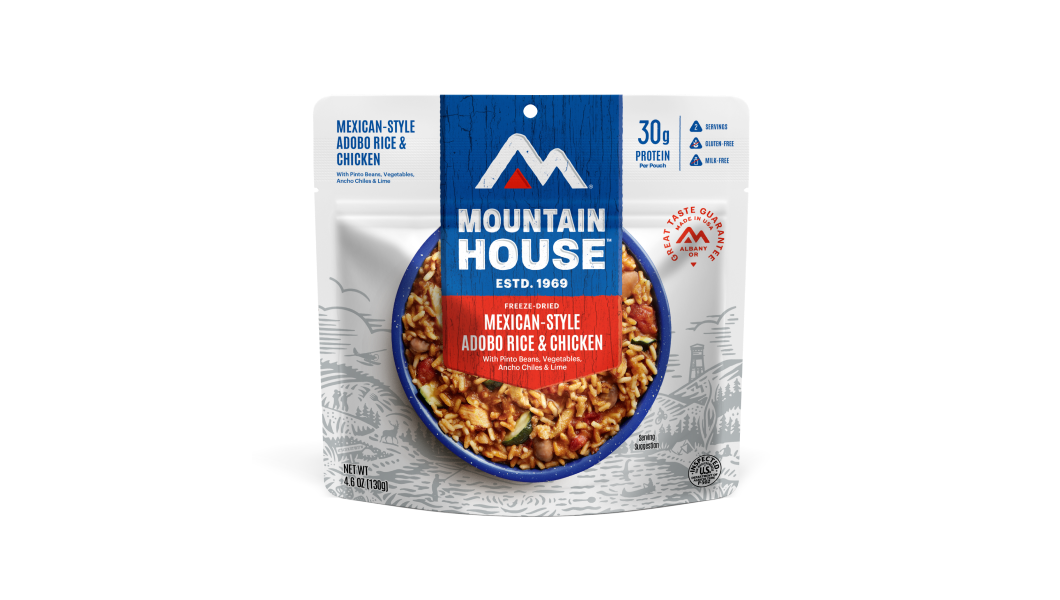
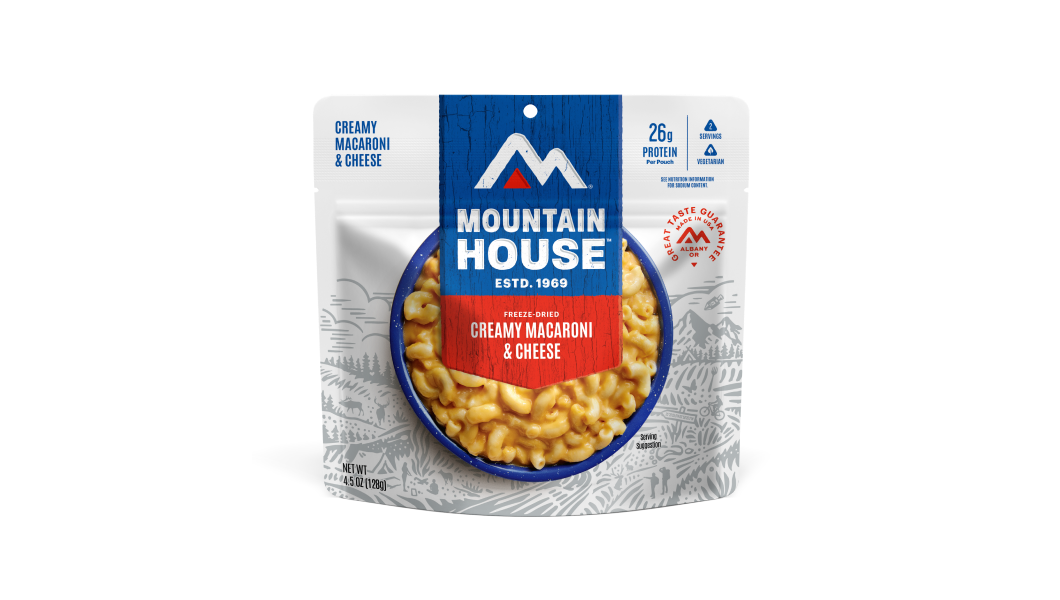
Backpacking Meal Upgrades: Add-Ins That Travel Light

The best upgrade you can make to a freeze-dried backpacking meal isn't a new recipe- it's knowing which add-ins earn their pack weight. On the trail, every ounce matters, so it pays to be intentional about what makes it into your pack. Explore these simple backpacking meal upgrades that won’t slow you down.

Why Add-Ins Matter on the Trail

Morale is important in the backcountry, and food is one of the few tools you can lean on come day three of an intense hike. Calorie density, variety, and the psychological lift of eating something that tastes good certainly matter. A well-seasoned Mountain House pouch at a high camp after a hard day is an incredible morale booster.

Beyond morale, there's also basic nutrition to consider. Most freeze-dried meals are designed for convenience and shelf life, which can mean they’re lower in fat than what your body burns on the trail. Adding a tablespoon of olive oil to a pasta pouch or a handful of crushed nuts can boost calories by 100-200 without adding much pack weight. Backpackers who've dialed in these simple upgrades often feel more consistently fueled over longer days.

The Flavor-Per-Ounce Framework

So, what packs a punch without weighing down your pack? It’s the small, intentional add-ins. A teaspoon of smoked paprika weighs almost nothing, but delivers big flavor. A few individual hot sauce packets (that you can usually grab for free) do the same job as a heavy bottle. Thinking in “flavor-per-ounce” terms helps you make smarter packing decisions before you ever hit the trailhead.

Best Lightweight Spices and Seasonings

A simple trail spice kit can weigh under an ounce if you use small packets or mini containers. A dedicated container keeps things more organized and durable, but it typically adds about two ounces to the total weight. The highest-return staples are red pepper, garlic powder, smoked paprika, and a mixed seasoning blend, like Italian or taco seasoning, that covers multiple meals in a single container. Unlike fats or proteins, spices don't add meaningful weight or calories, just flavor.

Best Fats and Oils for Backpacking

As mentioned before, olive oil is one of the highest-value fat add-ins for backpacking, and single-serve foil packets eliminate the risk of leaks entirely. Each packet contains about a tablespoon of olive oil, delivering roughly 90-120 calories per packet for just a fraction of an ounce of added weight - an efficient way to boost energy density on the trail.

Best Protein Boosts

Jerky, nuts, and freeze-dried meat are the three trail-proven protein add-ins that work across the widest variety of meals. Beef jerky, at roughly one ounce per serving, is the most familiar. It’s worth noting that jerky runs high in sodium, which isn't necessarily a bad thing when you're sweating through a long day, but it does mean it pairs best with lower-sodium dishes rather than stacking salt on salt. Overall, it adds texture and protein without changing the prep process.

Nuts, particularly almonds and walnuts, are a calorie-dense addition and have more fat than protein, which is ideal for high-output hiking. A one-ounce serving of almonds delivers about 164 calories and six grams of protein. Crush them and stir into a grain dish, or carry them loose as a standalone snack. 

Perishables Worth the Weight

Not everything fresh is worth carrying, but two things consistently earn their weight on a multi-day trip: tortillas and hard cheese.

Flour tortillas, at about one ounce each, are among the most calorie-efficient fresh foods you can carry. They last three to five days without refrigeration in a sealed bag, and they turn any pouch meal into a wrap.

Hard cheeses like aged cheddar, Gouda, or Parmesan are shelf-stable for short trips. In test conditions, hard cheeses lasted more than two weeks at temperatures in the low 80s when stored as a brick rather than pre-sliced. A two-ounce block melted into a rice or pasta pouch adds fat, protein, and flavor all at once. 

They’re not a perishable item, but hot sauce packets weigh almost nothing and deliver more flavor-per-gram than nearly any other add-in on this list. All three are items that backpackers try once and rarely leave out on future trips.

What NOT to Bring

Heavy condiment bottles and perishable novelty items like fresh garlic, cut vegetables, and soft cheeses fall into this category. They either add unnecessary weight, require refrigeration you won't have on the trail, or create waste and odor problems in the backcountry.

Redundant bulk items are another common mistake. There’s no need to carry olive oil, avocado oil, and ghee at the same time. And while three hot sauces might make sense in your kitchen, it’s overkill on the trail. One fat, one heat source, one spice blend, and one protein boost is a complete add-in kit for most weekend trips, and it keeps the total weight well under two ounces per day.

Sample Upgrade Kit: 3-Day Trip, 6 oz

This sample kit keeps total add-in weight at roughly six ounces across the full trip.

Add-In

Weight

How to Use

Flavor Impact

Olive oil packets (3)

~1.1 oz

Stir into pasta or rice pouches

High, richness, calorie boost

Garlic powder (small bag)

~0.3 oz

Any savory pouch

High, rounds out all base flavors

Smoked paprika (small bag)

~0.3 oz

Chicken, beef, or stew dishes

Medium-high, adds depth and color

Mixed seasoning blend (small bag)

~0.3 oz

Versatile across all three meals

Medium, varies by blend

Beef jerky (2 oz)

2 oz

Protein boost in grain pouches

Medium, texture, savory, saltiness

Wax-coated hard cheese (2 oz)

~2 oz

Melt into pasta, eat with tortilla

High, fat, protein, richness

Hot sauce packets (3)

~0.15 oz

Any pouch, on cheese, in wraps

High, sharpens everything

Total

~6.2 oz


Ready to build your trail kit? 

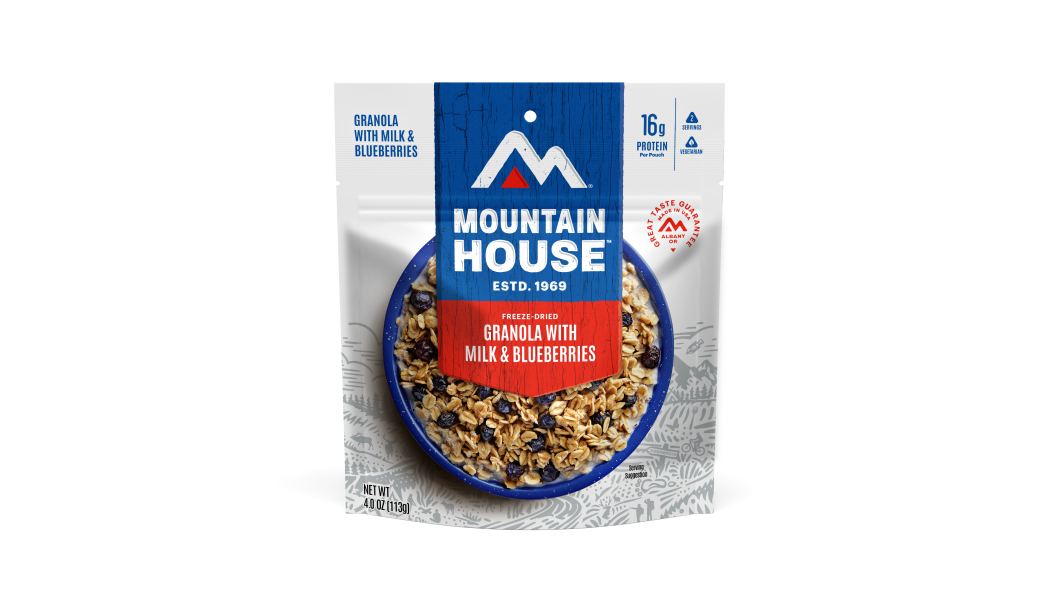
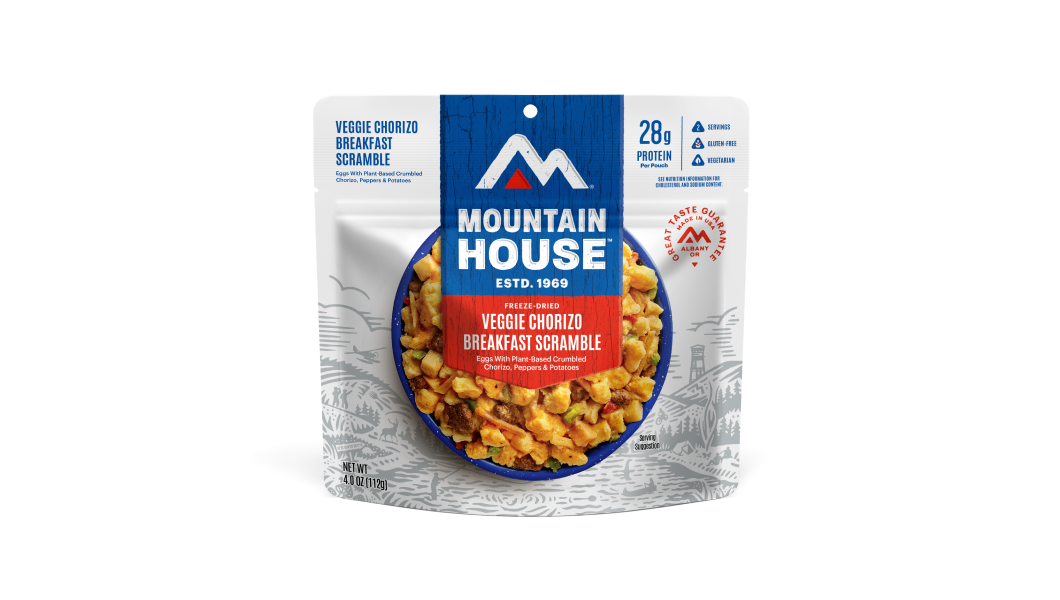
Start with your favorite Mountain House meals, then add a few lightweight extras that make every pouch feel more satisfying at camp. Whether you’re after pasta, rice, breakfast, meat, or classic backpacking dinners, you can browse the full Mountain House lineup on our website and build a meal plan that’s dialed for the trail.

FAQ

What's the lightest way to add flavor to a freeze-dried meal?

Dry spices, garlic powder, smoked paprika, or a pre-mixed blend are the lightest option. A full evening's worth of seasoning weighs a fraction of an ounce and requires no prep beyond opening a bag.

Is fresh cheese worth carrying backpacking? 

Hard cheeses like aged cheddar, Gouda, or Parmesan are worth it on trips up to five days. They're shelf-stable at moderate temperatures, add fat and protein in one add-in, and hold up better than most fresh foods you might consider. Avoid soft cheeses entirely; they go bad fast without refrigeration.

How much should an upgrade kit weigh? 

A well-built three-day upgrade kit should come in around six ounces or less. If you're over that, it’s usually a sign you’re carrying duplicates - two items doing the same job without adding real value.

Can I bring olive oil backpacking? 

Yes, and individual foil packets are the cleanest way to do it. Each packet contains about a tablespoon of olive oil, usually around 100 to 120 calories depending on packet size, making them one of the best calorie-per-ounce add-ins available.

What's the best protein add-in for the trail? 

It depends on the meal. Beef jerky works well as a texture and protein addition to rehydrated grain dishes. Nuts are the best option if you want fat and protein together at minimal weight.


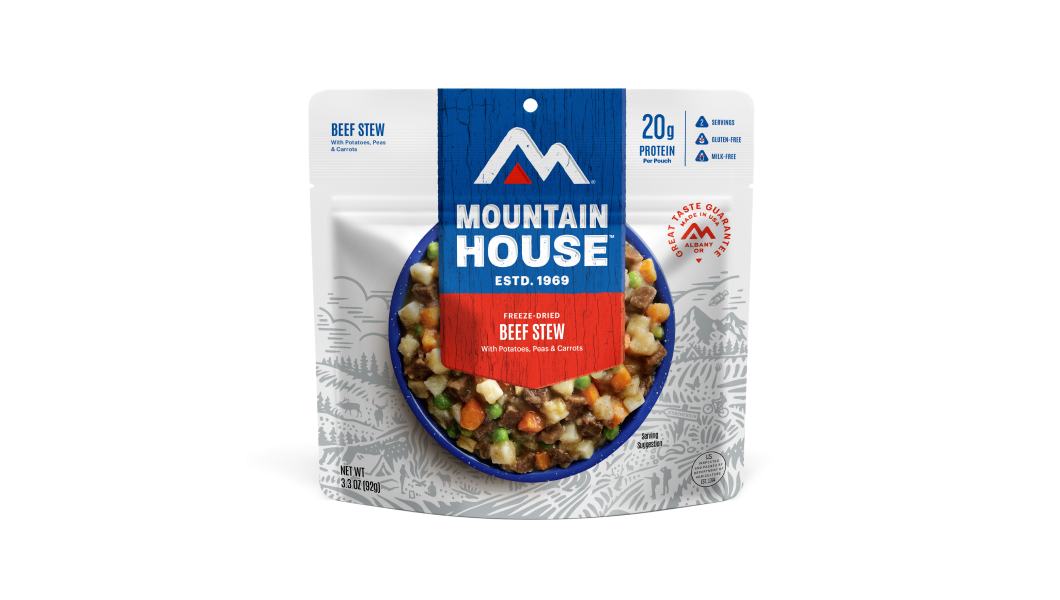
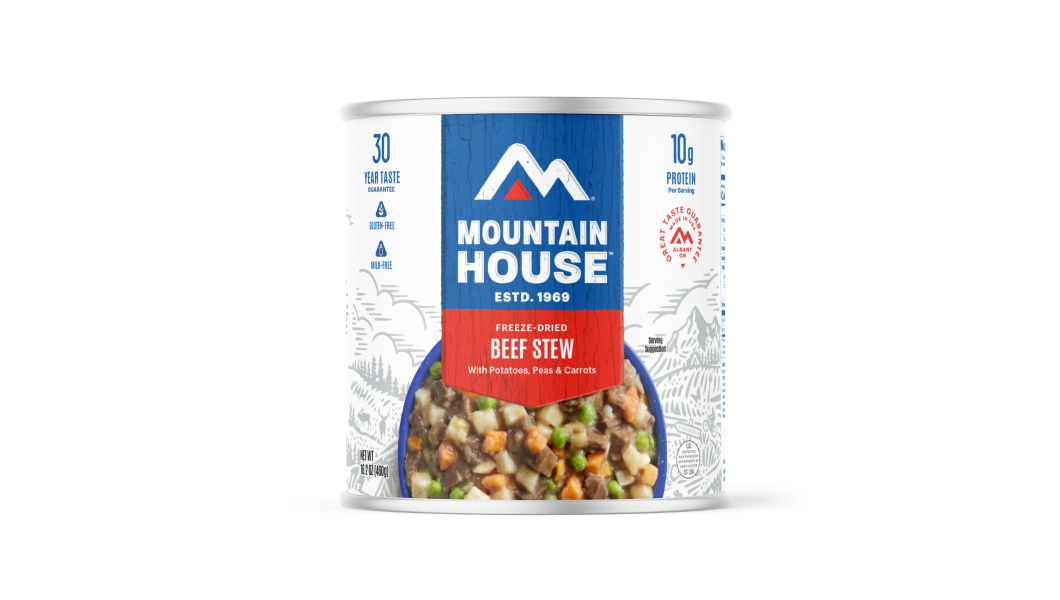
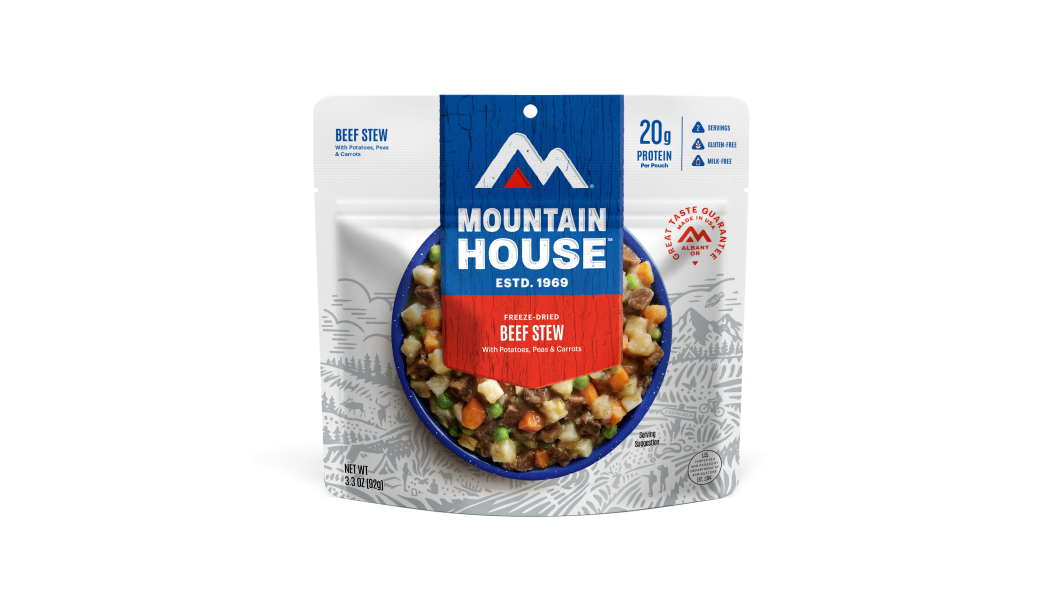
Inspired for an Adventure? Check out Beef Stroganoff - Pouch and Beef Stew - Pouch