Best Freeze-Dried Meals for Summer Backpacking Trips

The best freeze-dried meals for summer backpacking are lightweight, calorie-dense, water-efficient, and heat-stable. Summer adds specific demands that a shoulder-season kit may not account for: you’re sweating more, carrying water more carefully, and often cooking in conditions where minimizing fuel and prep time matters. This guide covers what to look for, which Mountain House meals hold up best under those conditions, and a sample three-day menu to take the guesswork out of packing.

What Summer Backpacking Demands from Your Food

A multi-day summer trip in the Sierra, on the PCT, or on any exposed ridge section burns more calories than the same mileage in cooler seasons. Heat and sweat raise your daily calorie needs, reduce your appetite mid-afternoon, and put added pressure on your water supply. Your food system has to account for all three demands at the same time.

The other variable summer adds is heat management for the food itself. Sealed, unopened freeze-dried pouches handle high temperatures well, but it’s best to avoid leaving them in a hot car or exposed to direct sun in an unventilated pack for long periods. Packing meals toward the center of your bag, where they’re insulated by clothing and gear, helps to protect them during the approach. Once you’re on trail, they’re good to go.

Criteria for a Great Summer Trail Meal

Calorie density is one of the most important factors in pack weight. Lightweight backpacking foods typically fall in the range of 120 to 130 calories per ounce, and many Mountain House dinner pouches meet or exceed that target. A meal that checks the box on calories but adds unnecessary weight isn’t earning its place in a summer pack. 

Water is the second key filter, especially on desert routes, exposed ridge trails, or any stretch where water sources are limited. Most Mountain House pouches require approximately 1.5 to 2 cups of water to rehydrate, which is manageable on most summer trips but important to factor into your carry when sources are sparse. Sodium also matters in the summer - sweat loss increases your need for electrolytes, and a moderate amount in your meals help support rehydration. Finally, consider prep time. On a summer trip, when you’ve just reached camp tired and hungry and the mosquitoes are coming out, a meal that’s ready in minutes is the right call.

Best Picks for Breakfast

Breakfast Fried Rice is the workhorse breakfast for a reason. The pouch contains 640 calories, the protein content is solid for a morning start, and it rehydrates in under ten minutes. On a summer trip when you’re up early to beat the heat, a fast breakfast that doesn't require a separate bowl or cleanup is exactly what you need.

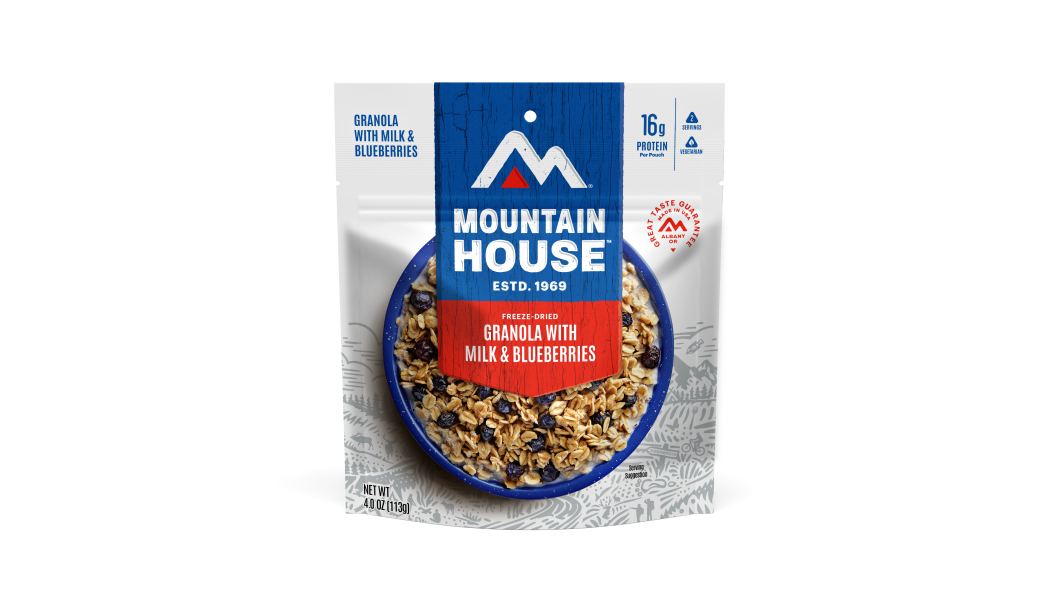
Granola with Milk and Blueberries is a cold-prep breakfast option. At 500 calories per pouch, it’s one of the higher-calorie breakfasts in the Mountain House lineup. It rehydrates easily with cold water, saving stove fuel and time in the morning. On hot-weather trips where early starts matter, it’s a smart, efficient choice

Breakfast Skillet rounds out the breakfast rotation with hash browns, scrambled eggs, sausage, and vegetables, making it the most substantial hot breakfast option when you have time and fuel to spare. Add a few tortillas, and you’ve got an easy breakfast burrito on the go.

Best Picks for Lunch and Snacks

Nut butter packets, hard cheese, jerky, crackers, and calorie-dense bars are the standard midday rotation on summer trips for a reason: they require no water, no stove, and no prep time. The goal at lunch is to replenish 600-800 calories without losing momentum. Where Mountain House adds value at midday is for a planned long break at a lake or summit, where the extra weight and wait time of a hot meal is offset by the rest you’re taking anyway. A pouch of Chicken Fried Rice (600 calories) or Chicken Fajita Bowl (560 calories) works well in that context and turns a lunch break into a genuinely restorative stop.

Best Picks for Dinner

Dinner is where freeze-dried meals really earn their keep, and it’s the right time to prioritize calories and satisfaction over speed. 

Beef Stroganoff delivers 590 calories and 27 grams of protein per Pro-Pak pouch, making it one of the most calorie-efficient dinners in the lineup. The combination of protein and fat supports overnight muscle recovery, which matters more on a multi-day summer trip than most people account for. 

Cheesy Beef Enchilada Bowl comes in at 660 calories with 32 grams of protein and is consistently one of the most popular dinners among thru-hikers for a straightforward reason: it tastes like actual food after a long day. 

Chicken and Dumplings (600 calories) rounds out the rotation as the comfort option, well-suited to a third-day camp when morale needs a boost. All three rehydrate in under fifteen minutes with hot water. The Mountain House guide on how to upgrade your Mountain House meals is worth a look before you finalize your menu.

Sample Three-Day Summer Menu

Need an easy menu? Check out our sample below for an easy three-day packing list (snack calories are approximate and will vary depending on what you pack).

Meal

Item

Calories

Water Required

Prep Time

Day 1 Breakfast

Granola with Milk and Blueberries

500

~1/2 cup

Cold soak, 5 min

Day 1 Lunch

Trail snacks (bars, nut butter, jerky)

~800

None

None

Day 1 Dinner

Beef Stroganoff with Noodles

590

~1 3/4 cups

9 min

Day 1 Snacks

Mixed nuts, bars, chocolate

~600

None

None

Day 1 Total


~2,490 + snacks


Day 2 Breakfast

Breakfast Fried Rice

640

~1¼ cup

12 min

Day 2 Lunch

Trail snacks

~800

None

None

Day 2 Dinner

Cheesy Beef Enchilada Bowl

660

~1.5 cups

15 min

Day 2 Snacks

Mixed nuts, bars, chocolate

~700

None

None

Day 2 Total


~2,800 + snacks


Day 3 Breakfast

Breakfast Skillet

~520

~1¼ cups

9 min

Day 3 Lunch

Trail snacks

~800

None

None

Day 3 Dinner

Chicken and Dumplings

600

~1 1/3 cups

9 min

Day 3 Snacks

Mixed nuts, bars, chocolate

~600

None

None

Day 3 Total


~2,520 + snacks


Hydration and Summer-Specific Tips

Hydration and food are not separate systems on a summer trip. How much water your meals require is part of your daily water planning, and on days when sources are limited, that calculation matters. Most Mountain House dinner pouches require 1.5 cups of water. Factor that into your carry when planning segments between water sources, and always filter or treat water before using it to rehydrate meals.

Electrolytes matter more in summer than on any other seasonal trip. You’re losing sodium, potassium, and magnesium through sweat at a rate that plain water alone won’t replace. The sodium content in freeze-dried meals actually works in your favor; a 600-calorie dinner pouch provides sodium that helps your body retain the water you’re drinking. For heavy-sweat days, consider adding an electrolyte drink or tablet during the day.

Storing and Packing in Summer Heat

Sealed Mountain House pouches are stable in heat as long as they aren’t exposed to extreme conditions for long periods. Avoid leaving pouches in a hot car trunk before your trip, or packing them against the outside of your bag in direct sunlight all day. Store meals toward the center of your pack, insulated by clothing layers, for simple protection in a well-organized summer kit.

Stock Up Today!

Whether you’re an experienced backpacker or heading out on your first overnight, the right food makes the miles easier. Browse our full lineup of freeze-dried backpacking meals and stock your summer pack.

Frequently Asked Questions

How much food do I need per day on a summer backpacking trip? 

Most active summer backpackers need between 3,000 and 3,500 calories per day, with higher-mileage or higher-elevation days pushing toward the upper end. Plan for at least 1.5 to 2 pounds of food per person per day as a starting point, then adjust based on your output and how your appetite responds at altitude.

How much water does a freeze-dried meal need? 

Most Mountain House pouches require approximately 1.5 cups of hot water, though exact amounts vary by meal. Check the pouch label before your trip and factor that volume into your water carry between sources.

Do freeze-dried meals spoil in summer heat? 

Sealed, unopened Mountain House pouches are stable in warm conditions. Avoid storing them in a hot car for extended periods before your trip, and keep them out of direct prolonged sun in your pack. Once opened, eat the entire meal.

How long does prep take on the trail? 

Most Mountain House meals are ready in under 15 minutes after adding hot water. Cold-soak options like Granola with Milk and Blueberries take about five minutes with cold water, making them a great choice when you want to skip the stove.

Can I eat freeze-dried meals cold if I can't boil water? 

Yes. Mountain House meals can be rehydrated with cold or room-temperature water. Cold-soak rehydration takes longer, typically double the time listed on the pouch, and the texture will differ from a hot preparation, but the meal is safe to eat and delivers the same calories.


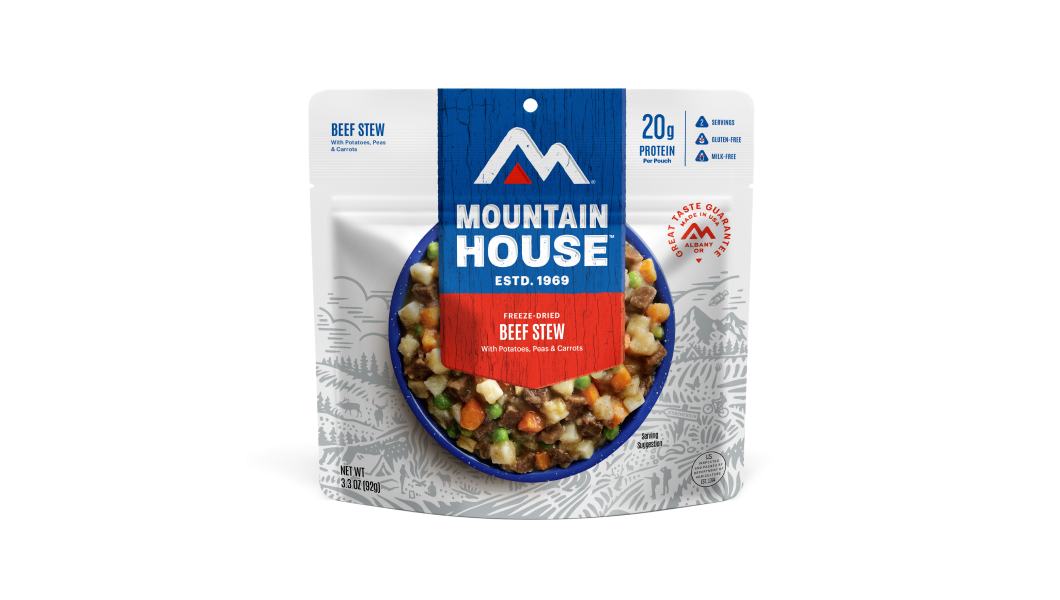
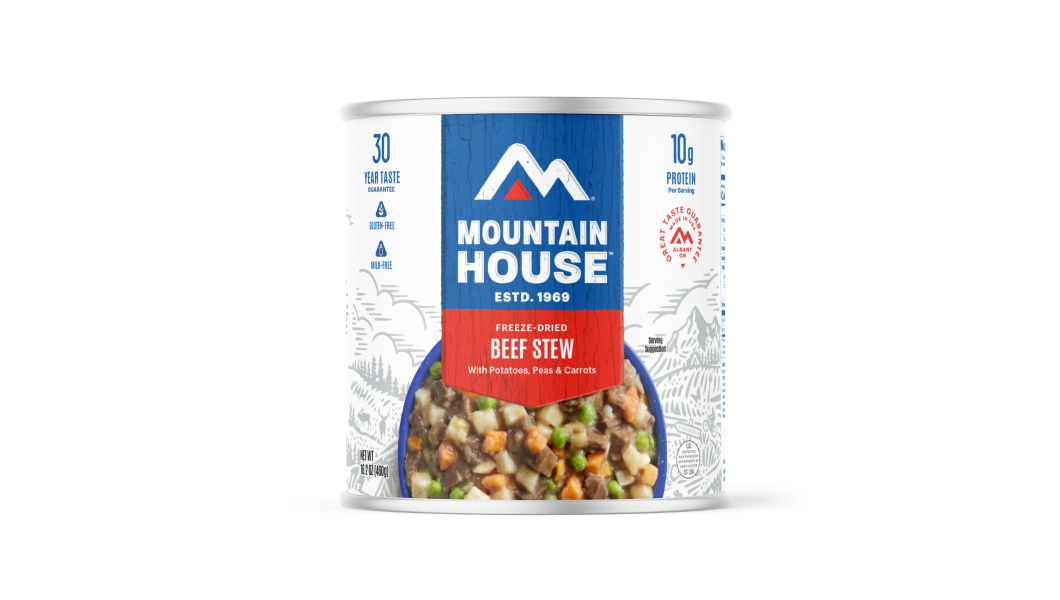
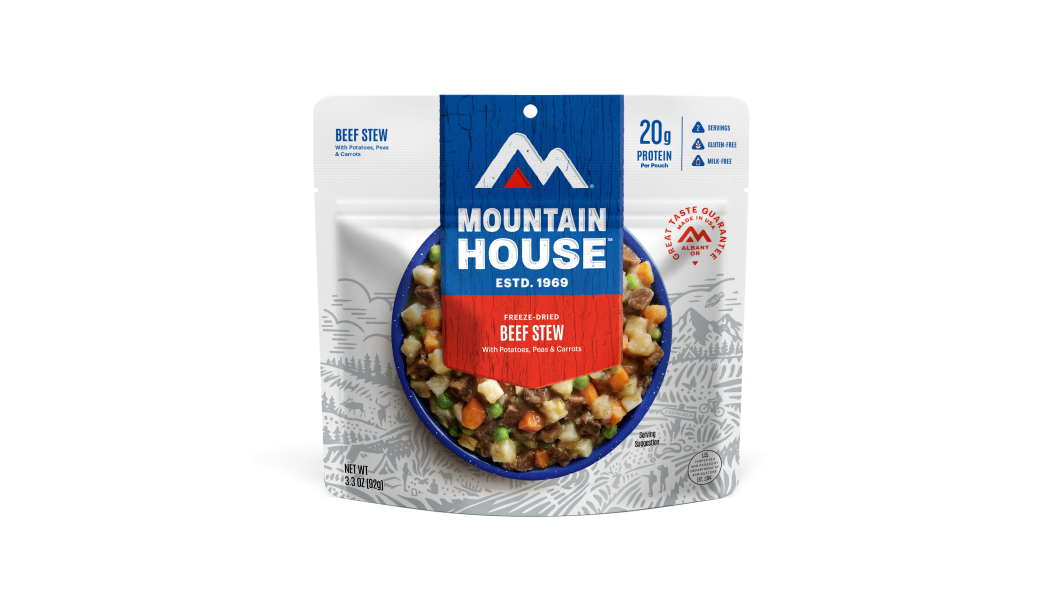
Inspired for an Adventure? Check out Beef Stroganoff - Pouch and Beef Stew - Pouch