Cold-Weather Camping Meals

Cold-weather camping food needs to be warm and comforting, while still being easy to prepare. Freeze-dried meals are a great choice for camping during fall and winter because they’re easy to pack and only need hot water to deliver a warm campsite meal. Keep reading to learn more about how to pack food for cold-weather camping.

Why Do Hot Meals Matter at a Winter Campsite?

Hot meals are especially welcome during cold-weather camping because they provide energy when your body is working extra hard to maintain its temperature. Eating regularly helps you stay fueled, but a steaming bowl of stew offers some much-appreciated comfort at the end of a long day outside.

A freeze-dried meal is a simple way to get a hot meal with a good amount of calories with little time or effort. Mountain House meals are fully pre-cooked before freeze-drying, so all you need is a little hot water to bring them back to life. These meals help you cut down on time spent chopping food, simmering on a camp stove, and cleaning up when you’re at a cold campsite.

What are the Best Warming Meals to Pack for Winter Camping?

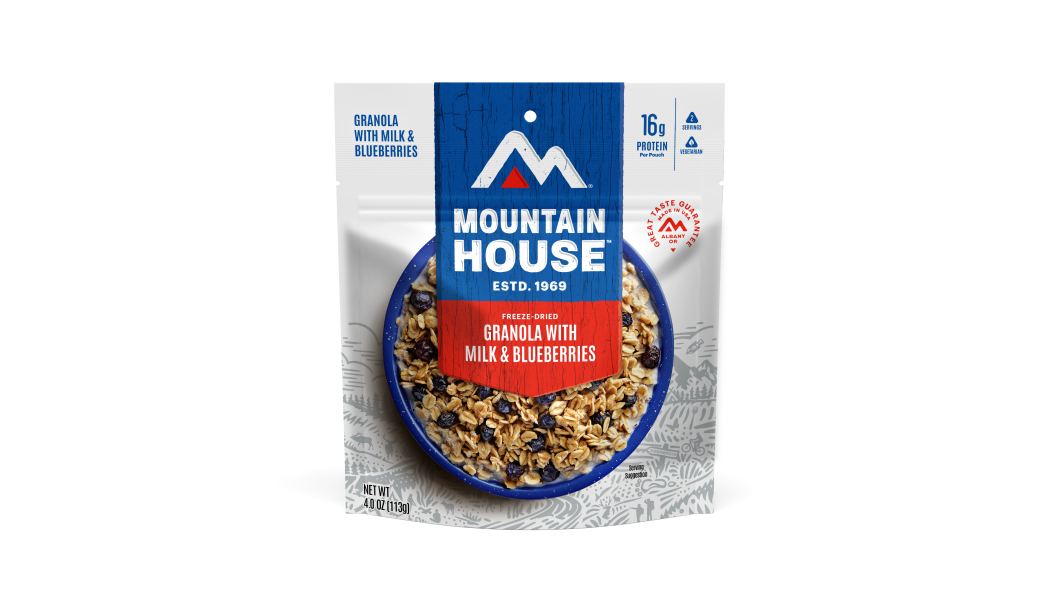
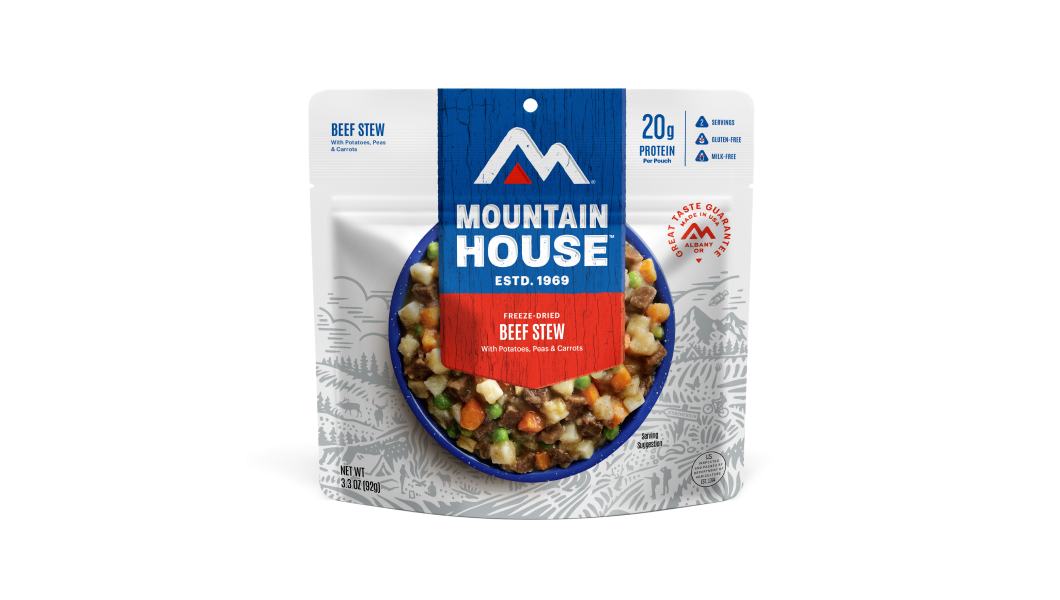
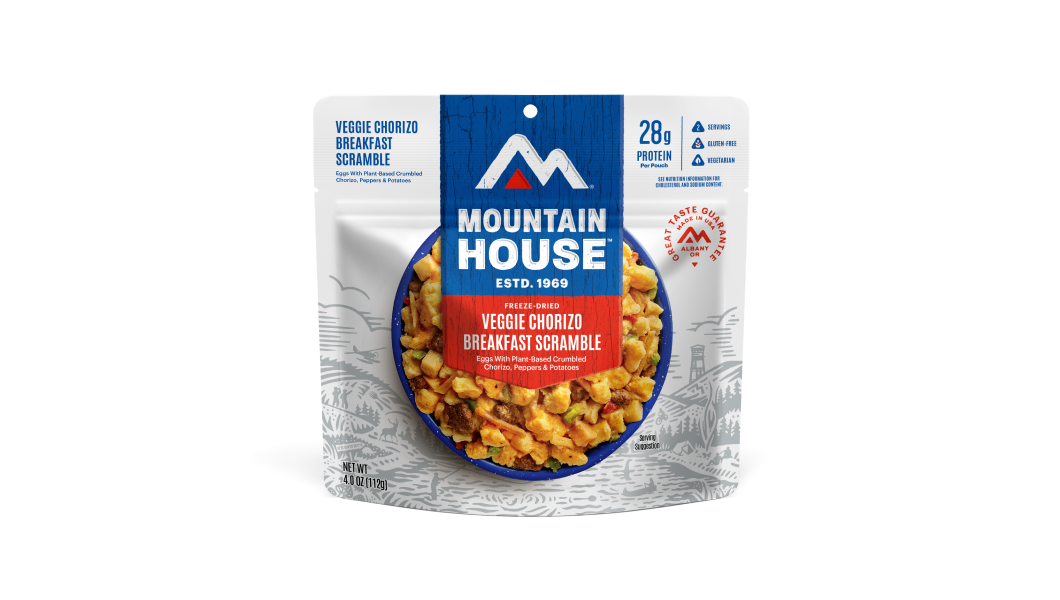
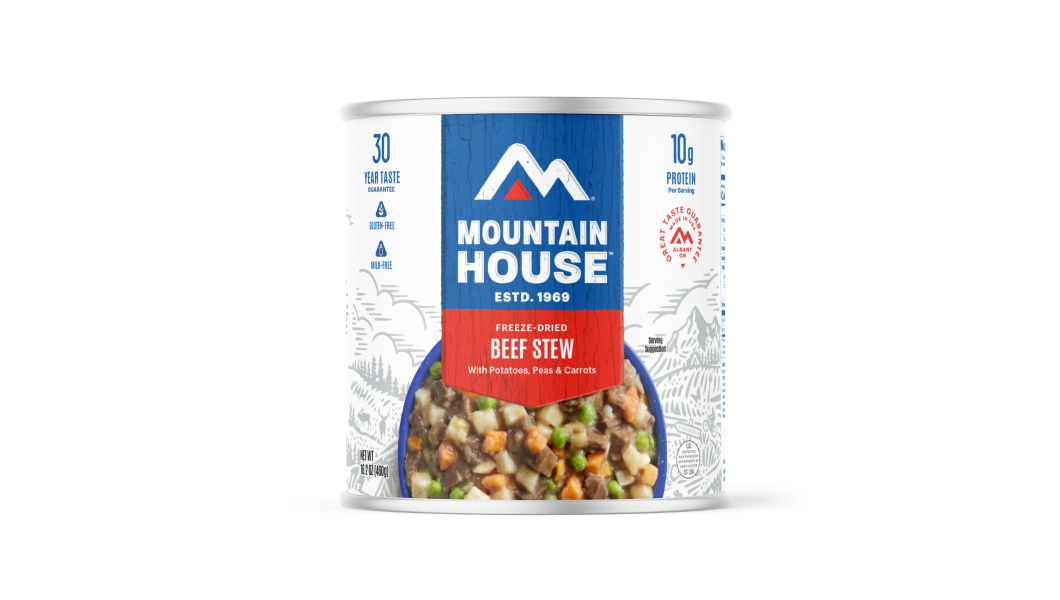
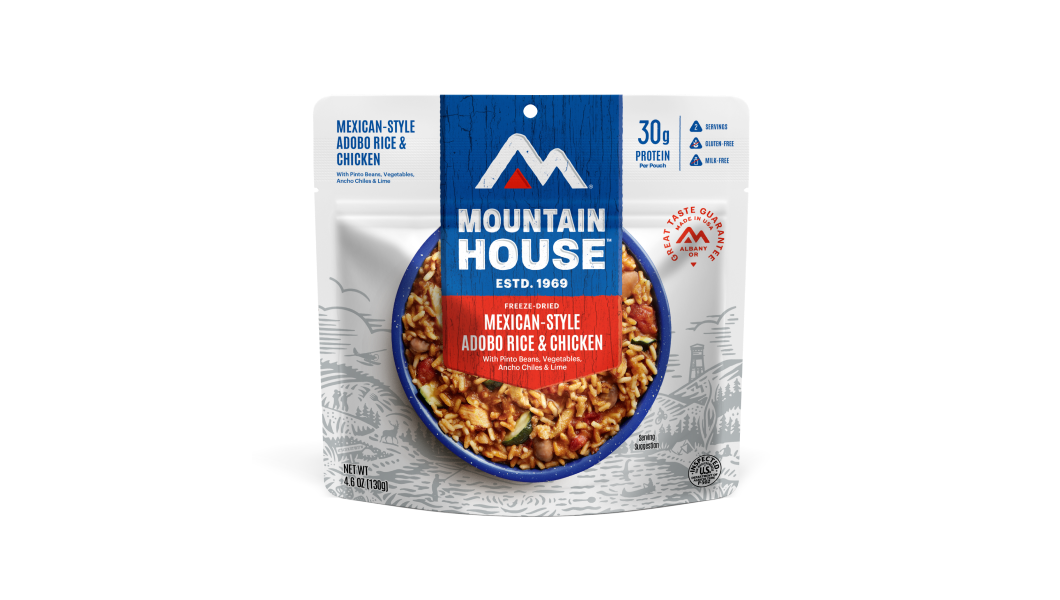
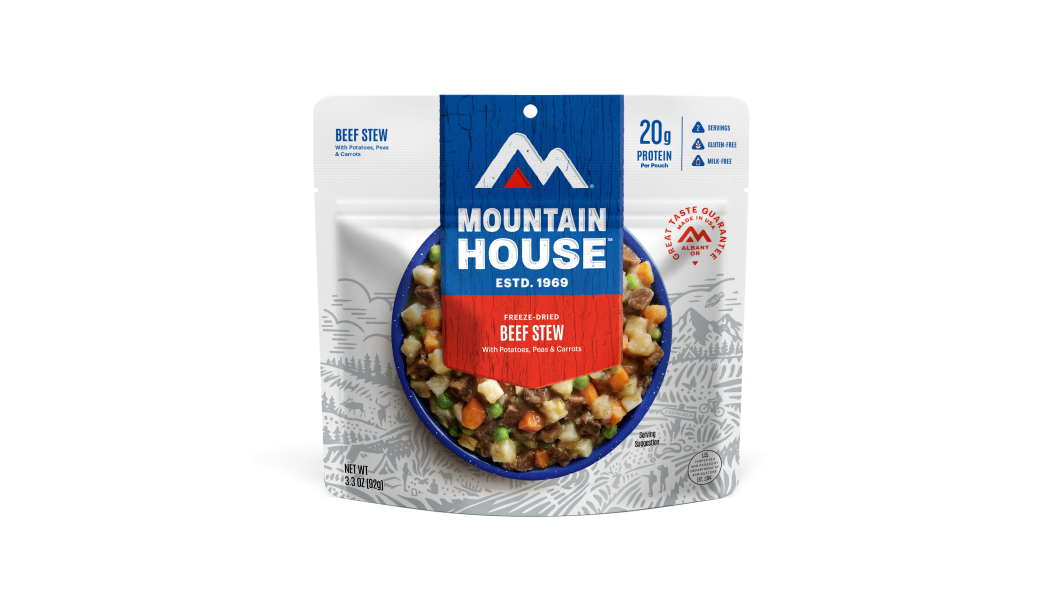
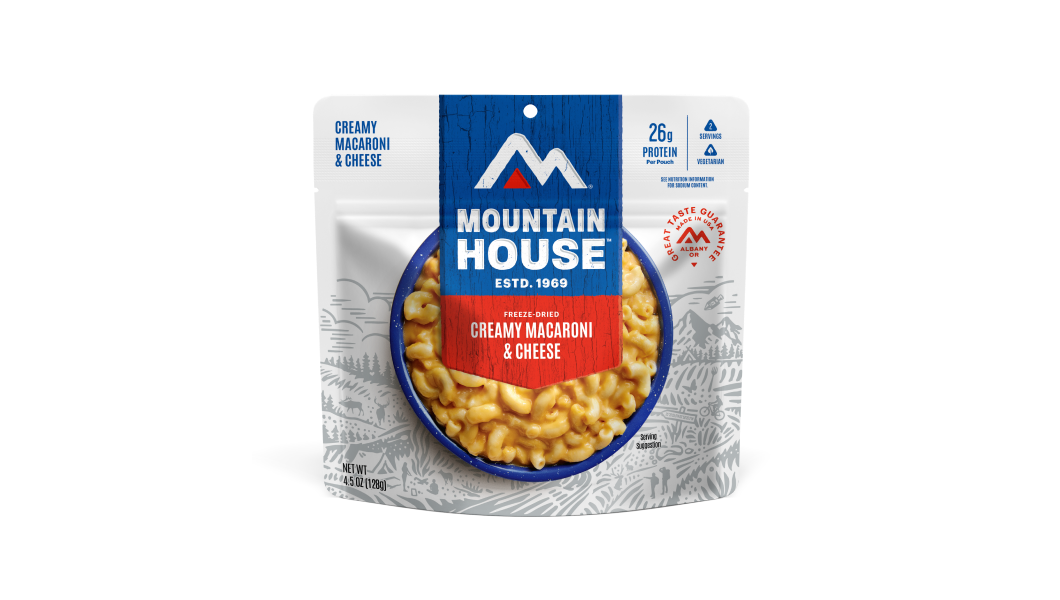
The best winter-weather camping meals are hearty and warm, while providing the energy you need for your day’s activities. Stews, pasta dishes, and warm breakfasts are great for when you’re spending time outdoors in freezing temps. Here’s some of our top choices for cold-weather camping meals:

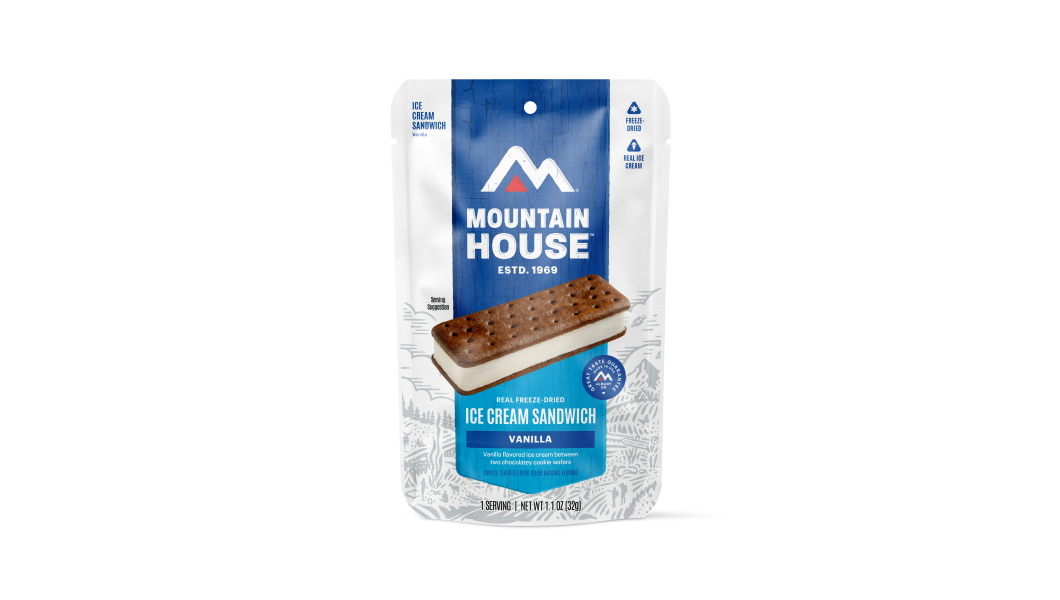
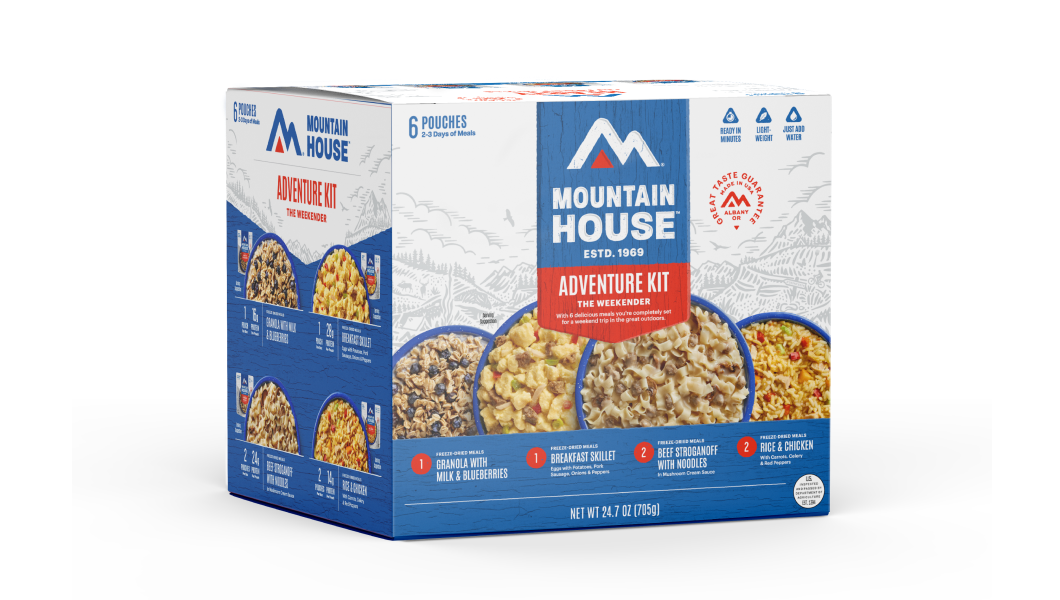
Mountain House’s full collection of freeze-dried meals gives you more room to mix it up between breakfast and dinner. Be sure to keep some extra snacks like crackers, nuts, trail mix, and jerky on hand throughout the day in case you get hungry. 

Traveling with a Group

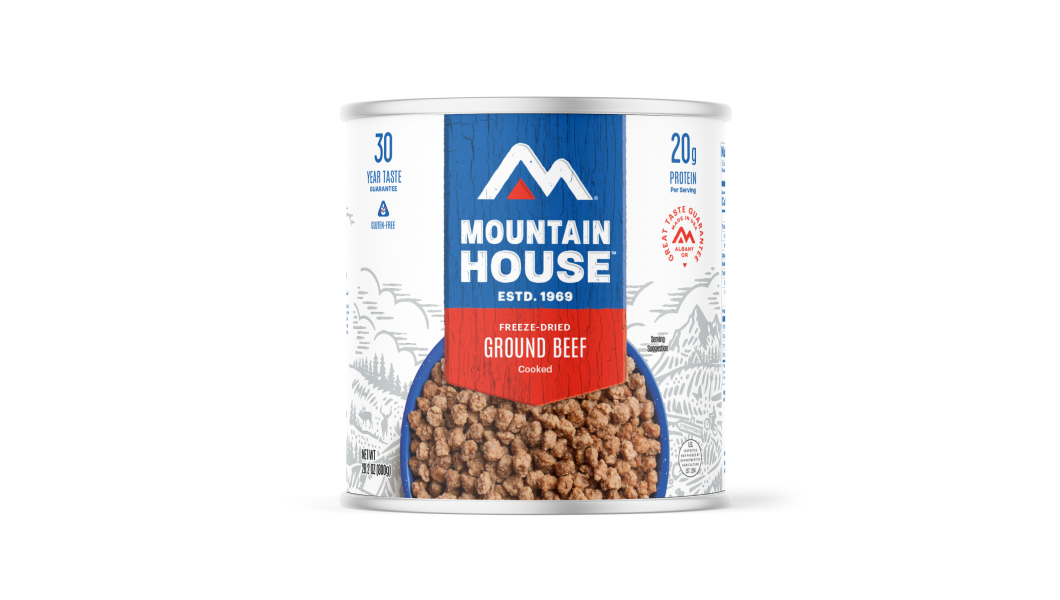
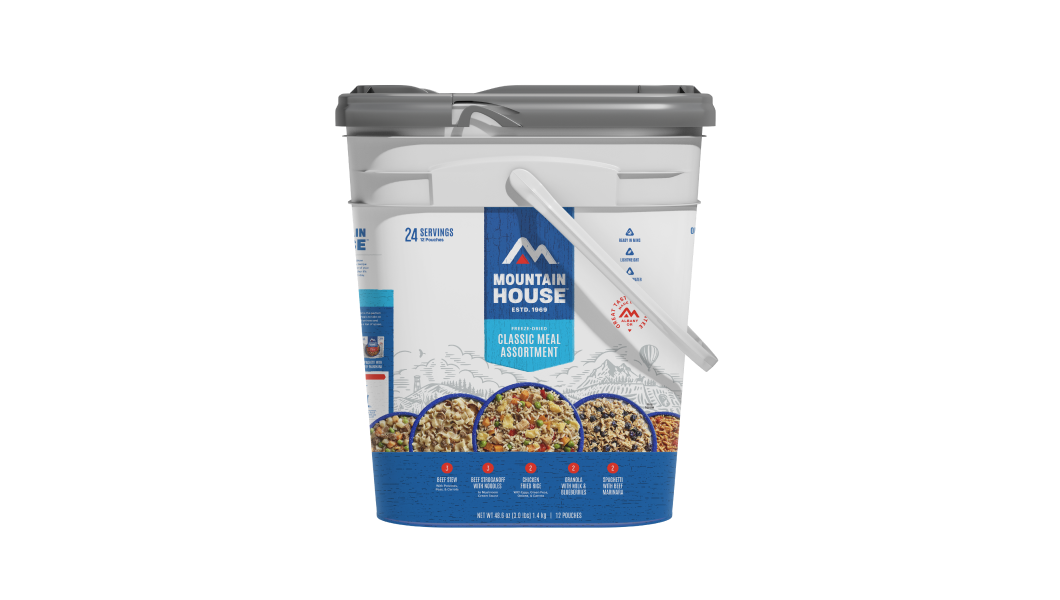
If you’re traveling with a bigger crowd, a Mountain House #10 can is the way to feed them. The Beef Stroganoff #10 holds 10 servings, so the whole group can eat from one pot. Mountain House also makes bulk freeze-dried plain proteins, like ground beef and diced chicken, that can be tossed into a chili or soup for some added protein.

How Do You Set Up a Cold-Weather Camp Kitchen?

Before setting out on your cold-weather adventure, make sure your camp stove will function in the temperature range you’ll be in. Some stoves can struggle to produce a strong flame in freezing conditions, so check your stove’s manufacturer's recommendations.

Set up your cooking areas in an outdoor area where you can safely operate the stove (i.e., not in your tent, cabin, or car). Use a pot to boil the amount of water needed for your pouch or the number of servings from your #10 canister. While your water boils, open up your pouches and get your spoons ready. 

After the water goes in:

  1. Stir the meal well, making sure to get in the corners.

  2. Seal the pouch.

  3. Wrap it in a towel or slide it into a pouch koozie to keep it warm when you’re in the cold.

  4. Wait the full 10 to 15 minutes, then dig into  a deliciously hot meal.

Mountain House meals can also be made with cold water in about twice as much time if you’re in a pinch.

Planning Food, Water, and Fuel for a Winter Camping Trip

Start with planning the food. Count how many people are in your group and determine how many meals everyone will eat per day. This will tell you how many servings you need to pack for sure. Add an extra meal or two for each person in case your trip goes longer than expected.

Knowing how many meals you need to pack will tell you how much meal water you’ll need, too. Be sure to keep meal water and drinking water separate, so that you don’t run out of either one. If snow is going to be a water source for you on your trip, plan for extra time and fuel for cleaning the melted snow before consuming.

Fuel planning is mostly about counting boils. Your stove will likely have specs for fuel per boil, so use that information plus how many meals and hot drinks you’ll need to make to determine your fuel needs. Be sure to pack a little extra fuel just in case there’s extra wind or conditions that impact fuel usage.

How Do You Keep Camping Food from Freezing Overnight?

The easiest way to prevent camping food from freezing is to protect anything containing water and to lean more heavily on shelf-stable items. Freeze-dried meals are particularly great in this regard because a majority of the moisture has already been removed, so they’re resistant to freezing. 

Unopened Mountain House meals can stay in your regular food storage area, as long as the packaging remains dry and protected from damage. Our meals have a 30-year shelf life and are backed by our 30-year Taste Guarantee if stored properly.

Stock Up Today for Your Next Cold-Weather Adventure

Camping doesn’t have to end when the weather gets cold. With a little planning, you can spend more time enjoying the outdoors, even when the snow starts to fall. 

Mountain House makes cold-weather camping simple with fully cooked, freeze-dried meals that only need hot water. Stock up today, and bring your favorite Mountain House meals along for the next cold night under the stars.


Inspired for an Adventure? Check out Beef Stroganoff - Pouch and Beef Stew - Pouch