Cold-Weather Fall Backpacking Meals

The best cold-weather backpacking food is hot, calorie-dense, and easy to make. On most fall trips, a freeze-dried breakfast and dinner cover camp meals, while high-fat snacks cover the miles in between.

Fall is a great time to be out. Trails can be quieter, bugs are less of a nuisance, and cool air can be a welcome change after midsummer heat. However, the season calls for food that fits.

Why Does Cold Weather Change What You Eat?

Your body uses extra energy staying warm, which increases the need for calories. Specific calorie needs still depend on the person, the pace, the terrain, and the temperature, so there isn't one cold-weather number that works for everybody. A recent trip with similar mileage and terrain is a better starting point. From there, give yourself some margin.

Hunger and thirst can also get easier to ignore once you're chilled and tired. An easy dinner makes a big difference when it’s dark outside and your hands are cold. Additionally, a rehydrated meal adds some water along with the calories, and you don't have to stand over a pot while it cooks.

How Do Freeze-Dried Meals Help on Cold Trips?

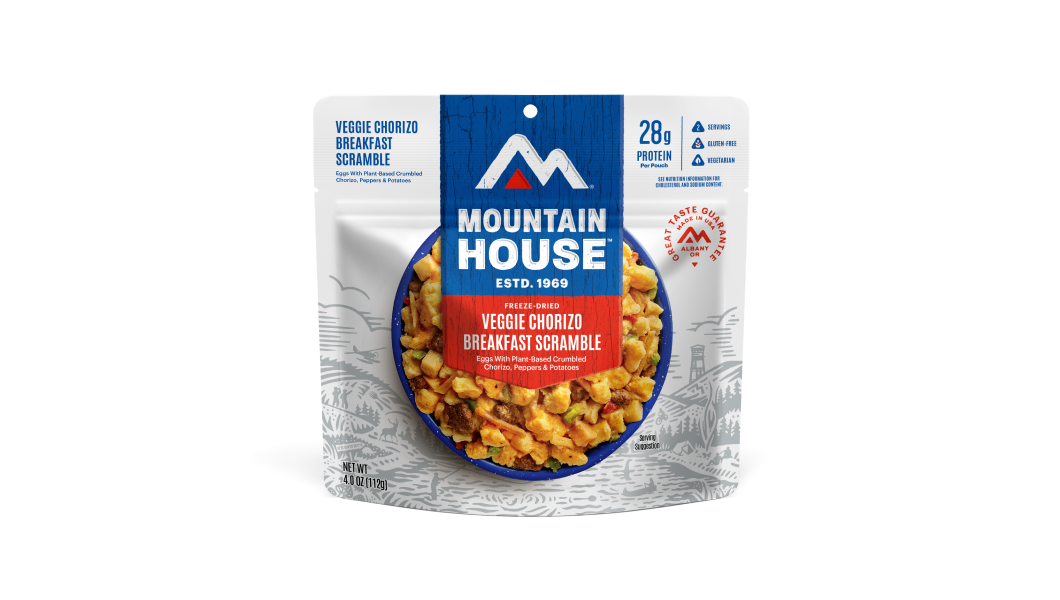
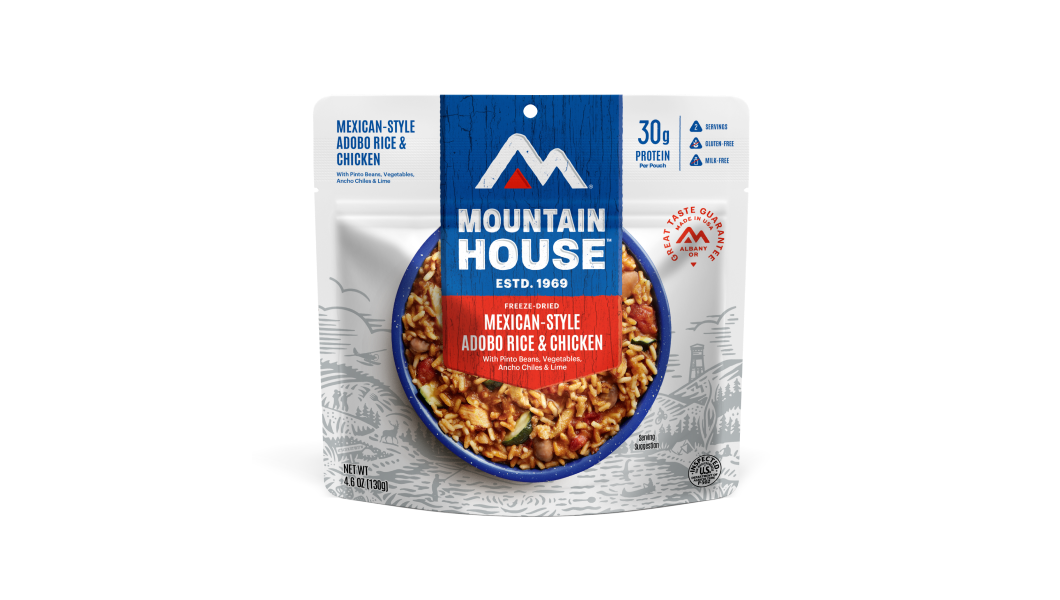
Mountain House meals are cooked in small batches, then freeze-dried. By the time a pouch reaches your pack, the cooking is already done. At camp, add hot water and wait 10-15 minutes. There's no simmering dinner while your stove burns through more fuel, and there's no pot full of food to scrub afterwards.

That simplicity feels different on a cold evening than it does in summer. Boil water, seal the pouch, put your gloves back on, and let dinner do its thing. Your meal stays in its own container, so cleanup is basically a spoon, and unopened pouches are shelf-stable so you don't need refrigeration during the trip.

Our just-add-water pouches also pack flat and weigh a few ounces each.

What Are the Best Meals for Cold Nights?

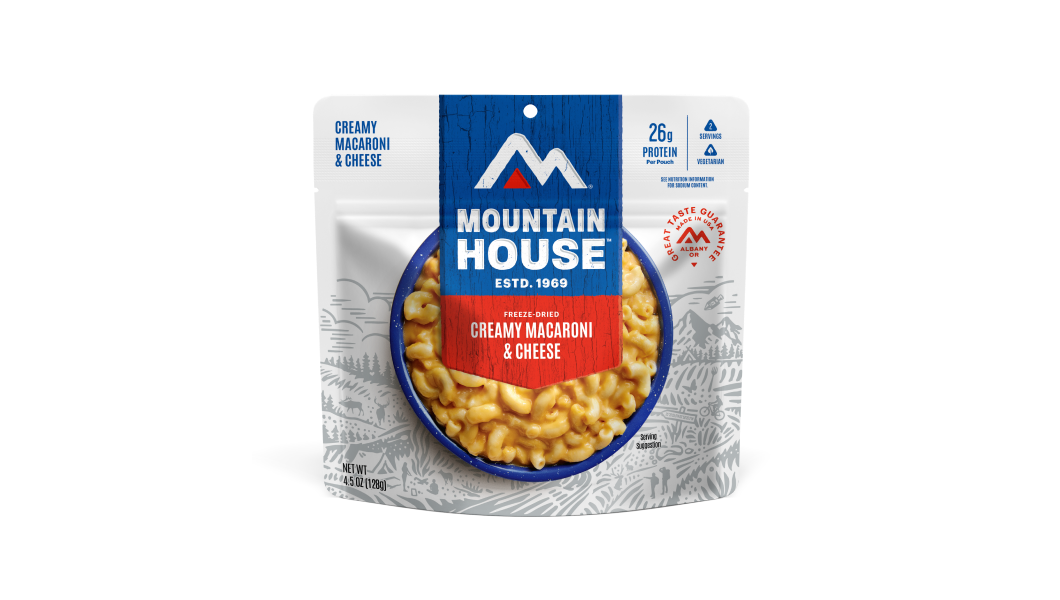
Cold camp is a good place for food that feels familiar and has some body to it. Brothy meals are nice when you want something warm by the spoonful. Creamy, cheesy dinners work too, especially after a long day when you're ready to sit down and stop fussing with gear.

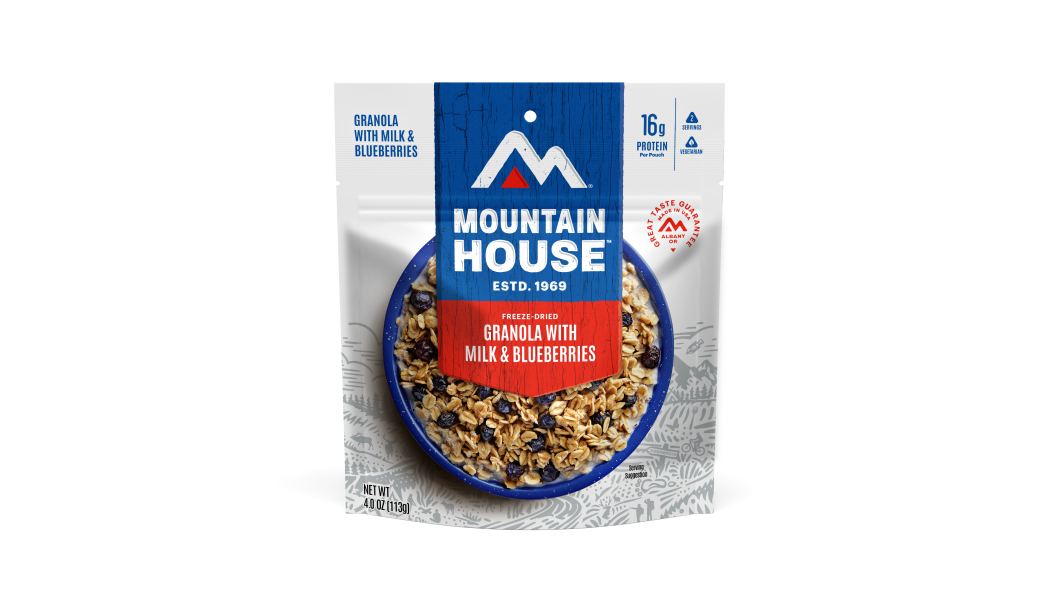
Check out our breakfast collection for more hot options for cold mornings.

A sample cold-weather day

  • Breakfast: Biscuits and Gravy, plus coffee or cocoa

  • Morning snack: trail mix and a bar

  • Lunch: tortilla with nut butter, hard cheese, and jerky

  • Afternoon snack: chocolate and nuts

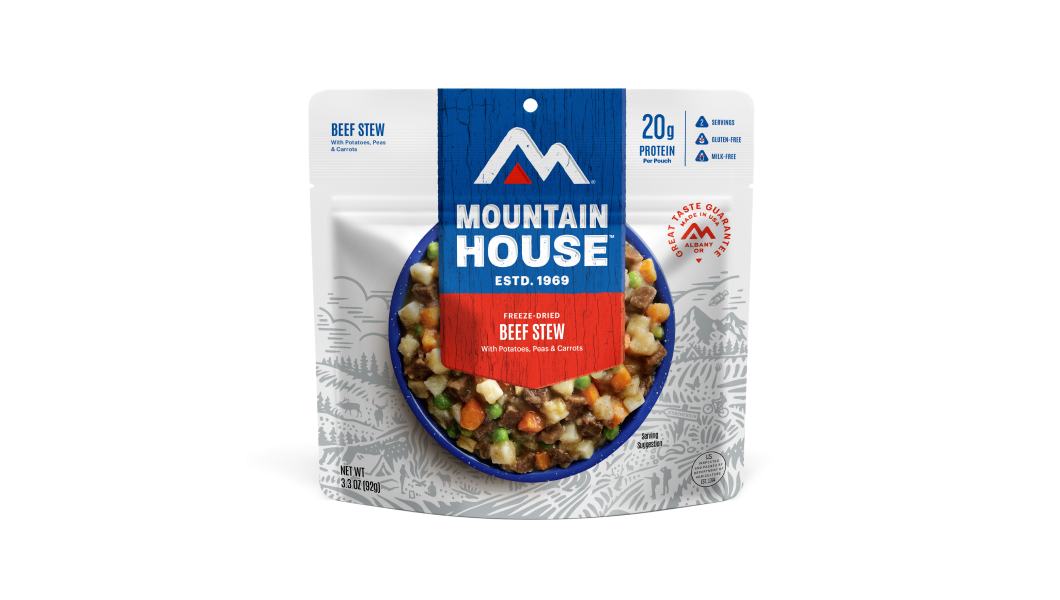
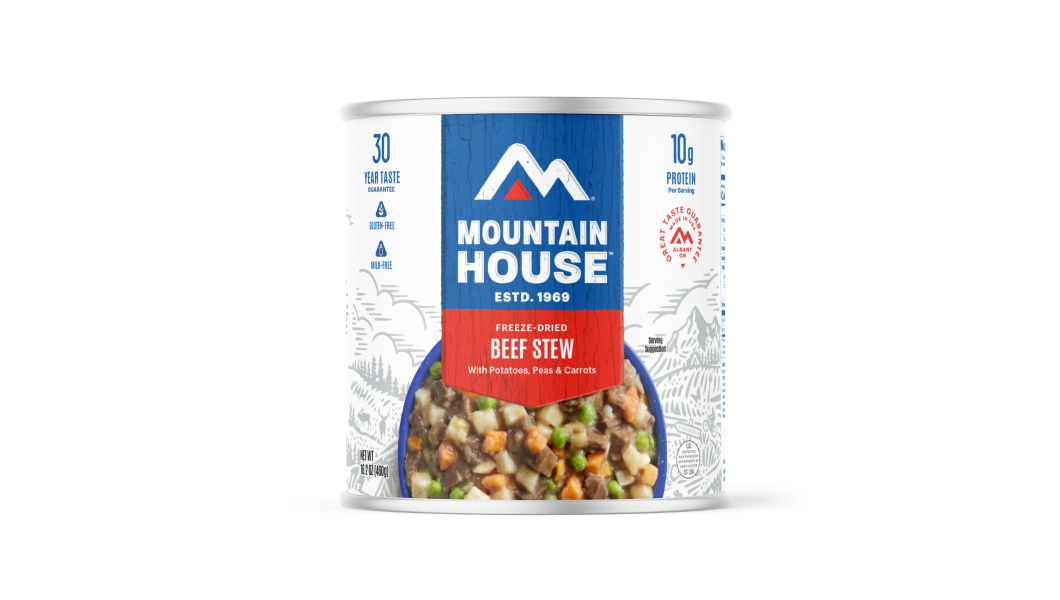
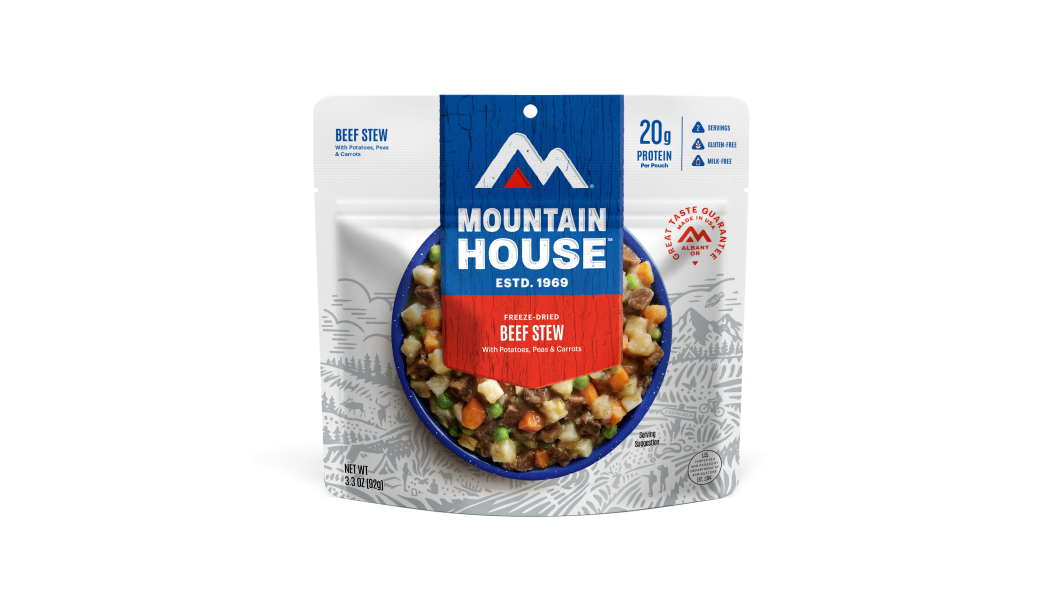
  • Dinner: Beef Stew, with a spoonful of olive oil stirred in

  • Before bed: a hot drink and a small, fatty snack

How Should You Pack Food for a Fall Trip?

Fat-rich foods add more energy without adding much weight. Olive oil packets, nuts, nut butter, and hard cheese are all great options. Our guide to backpacking meal upgrades has more ideas for add-ins that travel well. Hot drink packets, like cocoa or cider, add little dry weight, and on a cold morning or after dinner they can do a lot for morale.

Weather can slow a trip down, and pace can change once daylight gets shorter, so leave room for one extra dinner. Remember that some bars get rock-hard near freezing, so keep the day's snacks in a jacket pocket. Grouping each day's food together also saves you from emptying half the pack just to find dinner.

For more on quantities, our guide to how to choose backpacking food for multi-day trips goes deeper on planning by day.

How Do You Rehydrate Meals in Cold Temperatures?

Have the pouch ready before the water comes off the stove, and keep it insulated while the food rehydrates.

  1. Bring the water to a full boil and pour it right away.

  2. Stir well, including the corners, then seal the pouch.

  3. Slide the sealed pouch into a pouch koozy or wrap it in a spare insulating layer, keeping it upright.

  4. Leave it insulated for the full 10 to 15 minutes.

  5. Stir again and eat. Once the pouch is open, the meal won't stay hot for long in cold weather.

Use the wind protection recommended by your stove manufacturer and follow its guidance for cold-weather use. Keep water bottles inside the tent overnight instead of leaving them exposed outside.

Mountain House meals can also be made with cold water in 20-30 minutes. Our guide to no-cook camping meals covers the stove-free approach.

Frequently Asked Questions

What should you eat backpacking in cold weather?

Hot, calorie-dense meals for breakfast and dinner, with high-fat snacks you can eat on the move. Freeze-dried meals, nuts, nut butter, hard cheese, chocolate, and hot drinks all work well.

Should you pack more food for cold-weather backpacking?

Yes. Start from what you ate on a recent trip with similar mileage and terrain, then add fat-rich snacks, hot drinks, and one extra dinner as a margin.

How long do freeze-dried meals take to rehydrate in the cold?

With boiling water, allow 10-15 minutes. Keep the pouch insulated while it rehydrates.

Can you use cold water for freeze-dried meals?

Yes. Mountain House meals are fully cooked before freeze-drying, so cold water works in 20-30 minutes. In cold weather, a hot meal is hard to beat when you have the fuel to make it.

How should you plan stove fuel for a fall backpacking trip?

Count the boils you need for meals and hot drinks, check your stove's specs for how much fuel each boil uses, and add a margin for cold temperatures and wind. It’s always a good idea to test your setup before your trip.

Pack for the Cold Nights Ahead

A fall backpacking menu doesn't need much drama. Dinner should still sound good when the temperature drops after dark. 

Mountain House meals are cooked in small batches, then freeze-dried, the same process we've used since 1969. Unopened meals carry a 30-year shelf life, so whatever comes home can always wait for the next trip. Stock up today on camping and backpacking food before your next cold-weather hike.


Inspired for an Adventure? Check out Beef Stroganoff - Pouch and Beef Stew - Pouch