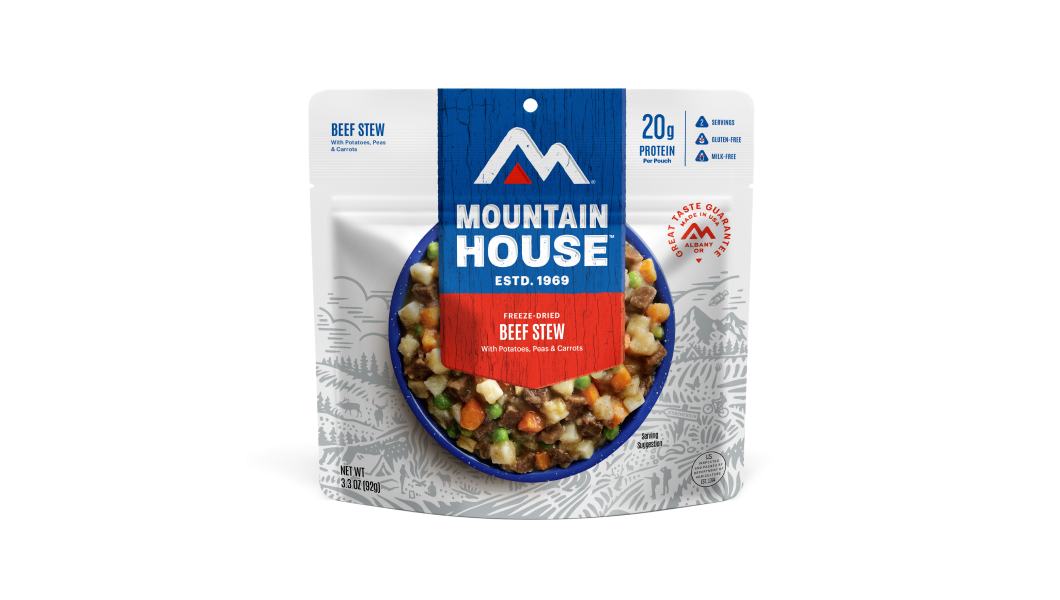
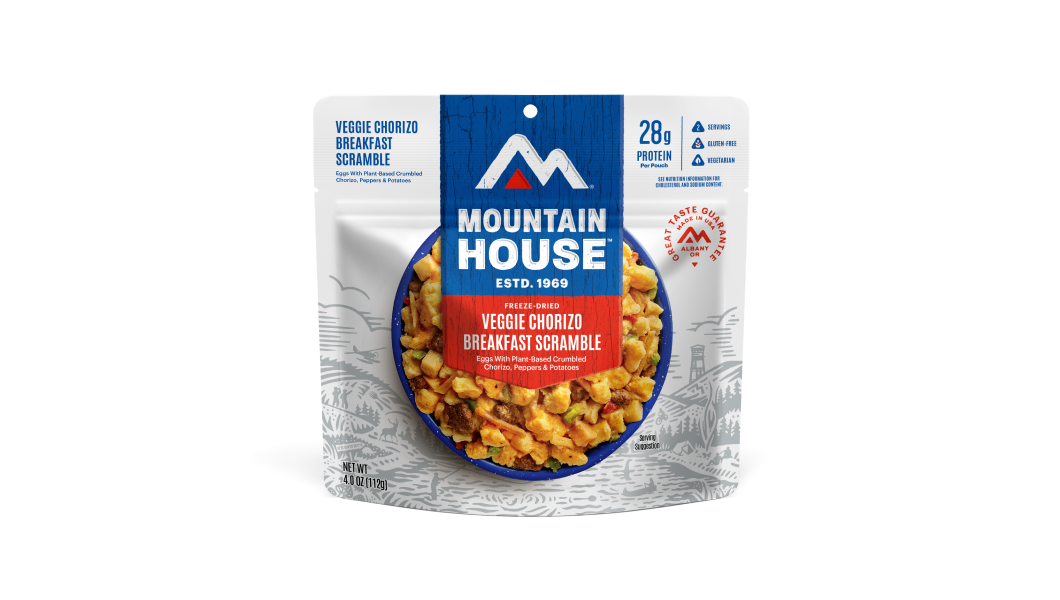
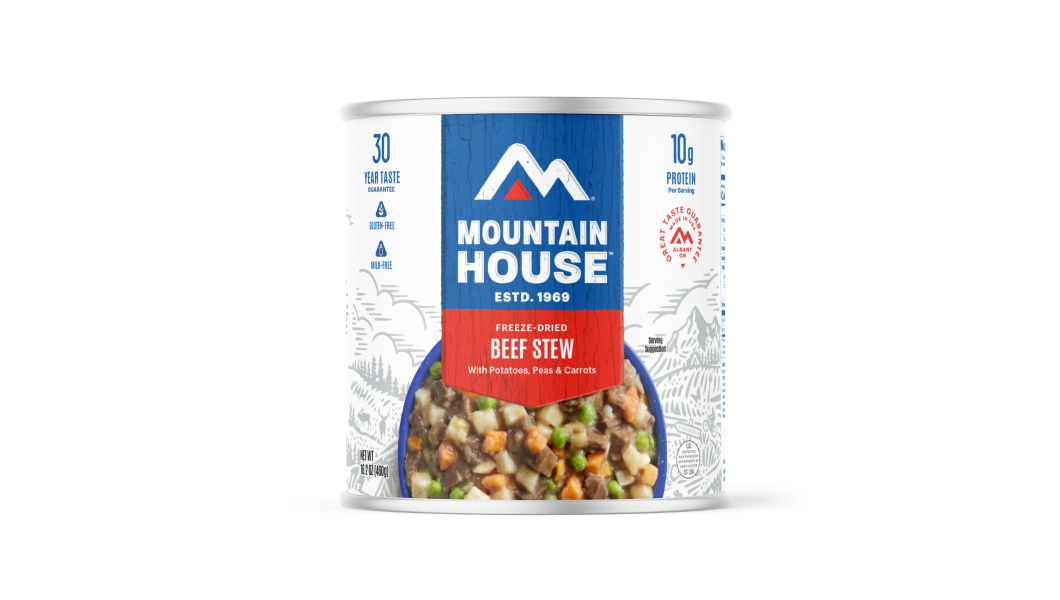
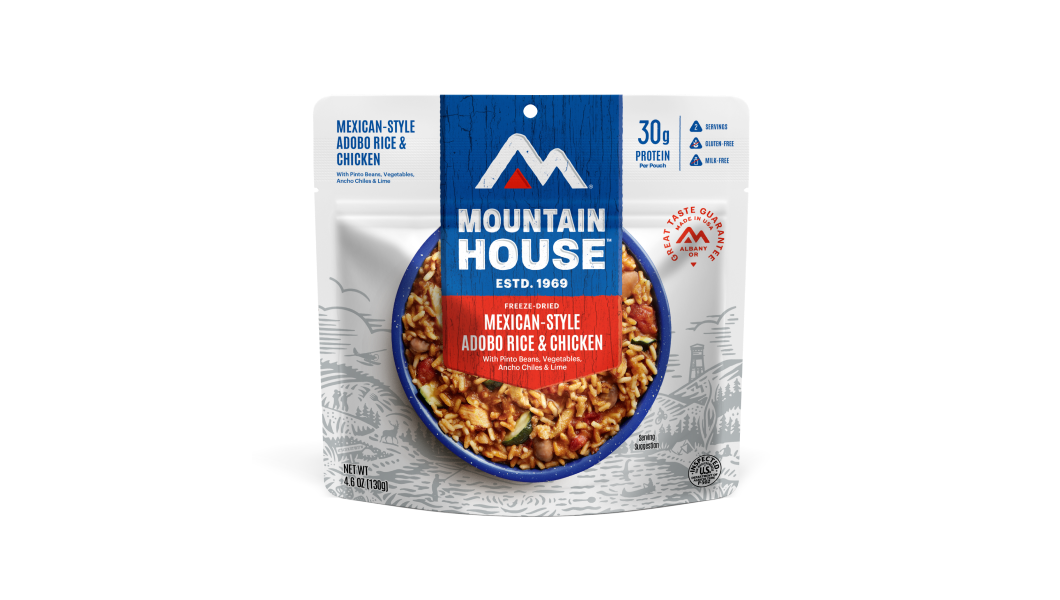
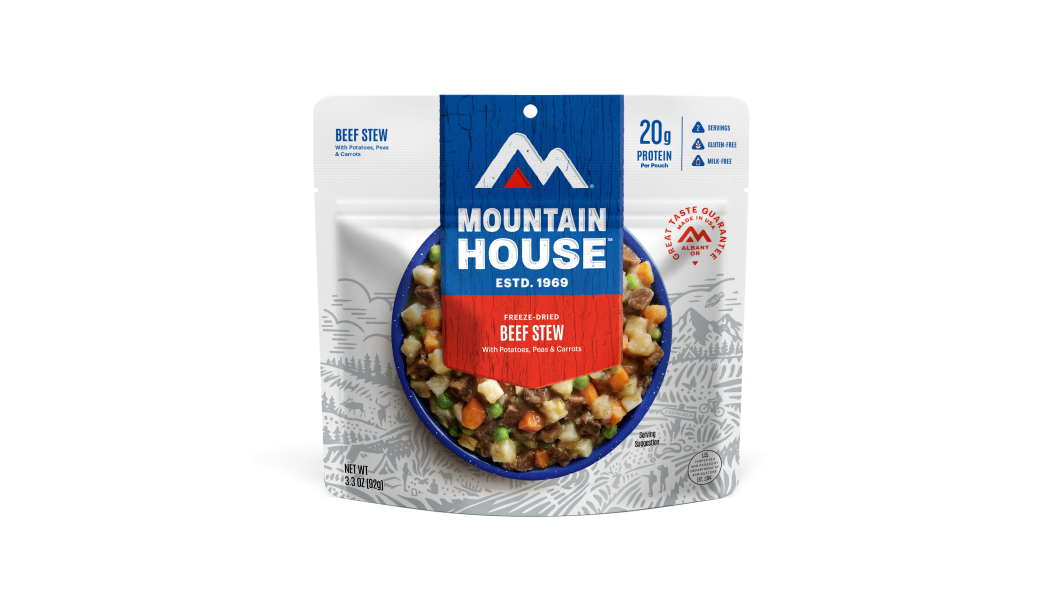
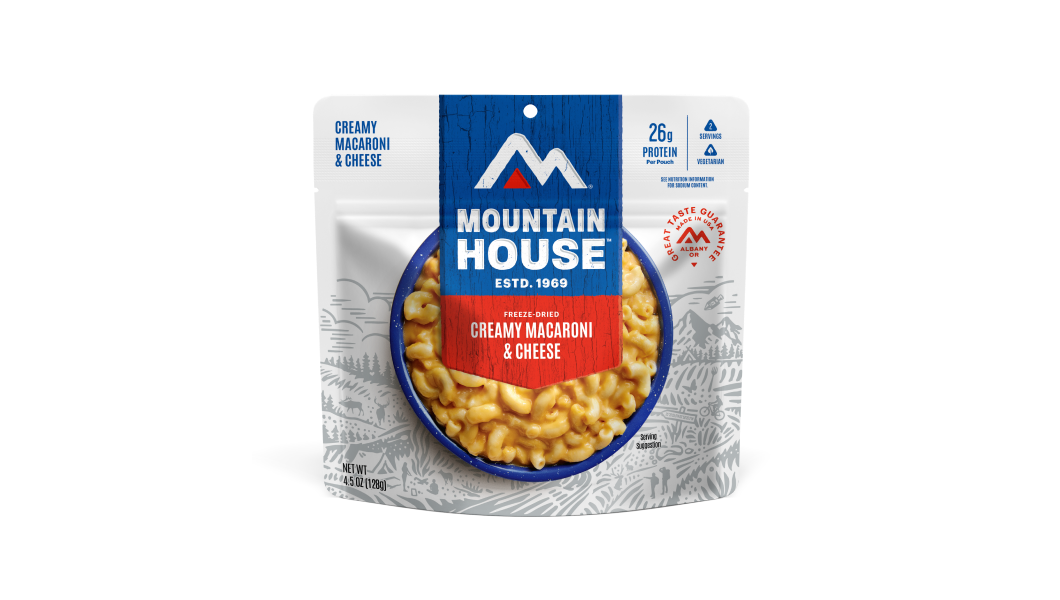
Inspired for an Adventure? Check out Beef Stroganoff - Pouch and Beef Stew - Pouch
A good trail lunch is calorie-dense, packable, and quick to eat, so you refuel without losing your rhythm on the trail. For a long day hike, that means food that survives a few hours in your pack, needs little or no prep, and gives you steady energy for the miles still ahead. Below you’ll find cold options, hot options, and sample lunch plans built around how far you’re going.
The right midday meal is also one of the small pleasures of a big day out, a chance to sit down, take in the view, and actually enjoy where you are.
What Makes a Good Trail Lunch
A few things separate a lunch that keeps you moving from one that slows you down. Calorie density comes first, since on a long day hike you’re often burning 400 to 600 calories an hour, so a lunch in the 500 to 800 calorie range keeps you steady without weighing you down. Packability matters too, so choose foods that pack flat, resist crushing, and seal against a leaky water bottle. Decide upfront whether you’re carrying a stove, because no-cook foods win on speed while a hot meal wins on morale in cold or wet conditions. And don’t forget salt and water. You lose both when you sweat, so pair salty food with enough water and plan where you’ll refill.
Aim for a mix of quick carbs for energy now, plus some protein and fat to carry you through the afternoon. A lunch that is all sugar spikes and fades, while one with cheese, nut butter, or a real meal in it holds steady.
Cold Lunch Options That Need No Stove
These are best when you want to keep moving, or the weather is warm.
-
Tortillas with nut butter and honey, or with hard cheese and cured meat. They pack flat and hold up better than bread.
-
A trailhead-built wrap: hummus, cheese, and a handful of greens.
-
A graze lunch of jerky, hard cheese, crackers, and dried fruit.
-
Energy-dense bars and one piece of real fruit for something fresh.
-
A cold-soaked freeze-dried pouch. Mountain House meals can be rehydrated with cold water if you give them about 30 to 45 minutes, so you can add water at your last break, let it sit while you tackle the final stretch, and eat a real meal at the summit. Beef Stroganoff and Chili Mac are two great options for a no-cook backcountry meal.
Hot Lunch Options When a Stove Earns Its Weight
When it’s cold, wet, or you just want a real meal at the turnaround, a stove earns its place in your pack. Hot water gets a Mountain House pouch ready in about 10 minutes, straight from the bag, with no pot to scrub or dishes to pack out. Good midday picks include:
-
Rice & Chicken for a savory, filling reset.
-
Beef Stroganoff for a warm, comfort-food lunch on a cold ridge.
-
Biscuits & Gravy if you like a hearty second breakfast at the halfway point.
-
Pasta Primavera or another vegetarian option for something lighter that still fills you up.
All of these come in lightweight, just-add-water pouches built for the trail.
Cold Water Works Too
No stove and still want that pouch? Cold water rehydrates meals in about 30 to 45 minutes. Add water when you stop for a break, clip the pouch upright in your pack, and lunch is ready by your next one.
Snacks as Lunch or a Full Sit-Down Meal
Two strategies both work, and many hikers use both in a single day. Grazing means eating small bites throughout the day instead of stopping for one big meal - an easy approach on hot days or steady, runnable trails where you want to keep moving. A sit-down lunch gives you a chance to slow down, refuel, and reset, making it a better fit for cold days, scenic turnarounds, or hikes where your legs need a real break. A common approach is to graze on the climb, then sit down for a real meal at the top.
Sample Trail Lunch Plans by Hike Length
6-mile half-day, roughly 500 to 700 lunch calories
-
Tortilla with nut butter and honey
-
Small bag of trail mix
-
One piece of fruit
-
Water plus an electrolyte tab
You’re out a few hours, so a light graze is plenty.
12-mile full-day, roughly 800 to 1,000 lunch calories
-
One hot pouch such as Rice & Chicken, or a cold-soaked Fajita Bowl
-
Hard cheese and crackers
-
A handful of jerky
-
A cookie or bar for a morale boost
-
Water, with a refill planned near the halfway point
A real sit-down stop here pays off for the second half.
20-mile big day, 1,000-plus lunch calories split across two stops
-
Late morning: a bar, trail mix, and cheese while moving
-
Midday: a hot Mountain House meal, plus a tortilla with nut butter
-
Afternoon: jerky and dried fruit to close the gap to the trailhead
-
Water, with a filter or a refill plan for at least two sources
On a 20-mile day, split lunch into two smaller meals to keep your energy steady without feeling weighed down.
Hot-Weather Lunch Tips
Summer heat changes what travels well.
-
Skip anything that melts or spoils fast. Hard cheese holds better than soft, and nut butter beats anything mayo-based.
-
Lean on freeze-dried meals. There is nothing to spoil in the heat, so a sealed pouch stays stable in your pack all day.
-
Keep salty snacks in the rotation. You’re sweating out sodium, and cramping on the descent is a miserable way to end a good day.
-
Do not leave food in a hot vehicle at the trailhead. Heat degrades snacks and can spoil perishables before you even start.
Heading out for more than a day? Our guide to the best freeze-dried meals for summer backpacking trips covers multi-day planning.
Hydration Goes With Lunch
Food and water work together on a long day. A salty lunch without enough water can leave you cramping, and plain water without any food or electrolytes can leave you flat. Drink steadily through your meal, add an electrolyte tab on hot days, and know where your next refill is before you sit down to eat.
Frequently Asked Questions
How many calories should a trail lunch have?
For a long day hike, roughly 500 to 1,000 calories works for most people, scaled to your body, pace, and distance. On very big days, split that into two smaller meals so you never crash.
What is the best no-cook lunch for hiking?
Tortillas with nut butter, or hard cheese and cured meat, are hard to beat. They’re calorie-dense, packable, and stable in heat. A cold-soaked freeze-dried pouch is a great step up when you want a real meal without the added weight of a stove.
Can you eat freeze-dried meals for lunch on a day hike?
Yes! Add hot water for a meal in about 10 minutes, or cold water about 30 to 45 minutes ahead if you’re skipping the stove. Both give you a heat-safe, real-food lunch with nothing to spoil. Browse our full range of freeze-dried meals to pick your favorites.
How do I keep food from spoiling in summer heat?
Choose shelf-stable foods: hard cheese, nut butter, jerky, bars, and freeze-dried meals. Keep them out of direct sun and out of a hot car, and eat anything perishable early in the day.
Pack a Lunch Worth Looking Forward To
The best trail lunch keeps you moving and gives you a reason to stop and enjoy the view. Mountain House meals are cooked in small batches, then freeze-dried, so you get delicious flavor that’s lightweight enough for big days and backed by a 30-year shelf life when you stock ahead. Stock up today on camping and backpacking food and pack a few long-day lunches you’ll actually look forward to.
Backpacking Meal Upgrades: Add-Ins That Travel Light
Best Freeze-Dried Meals for Summer Backpacking Trips