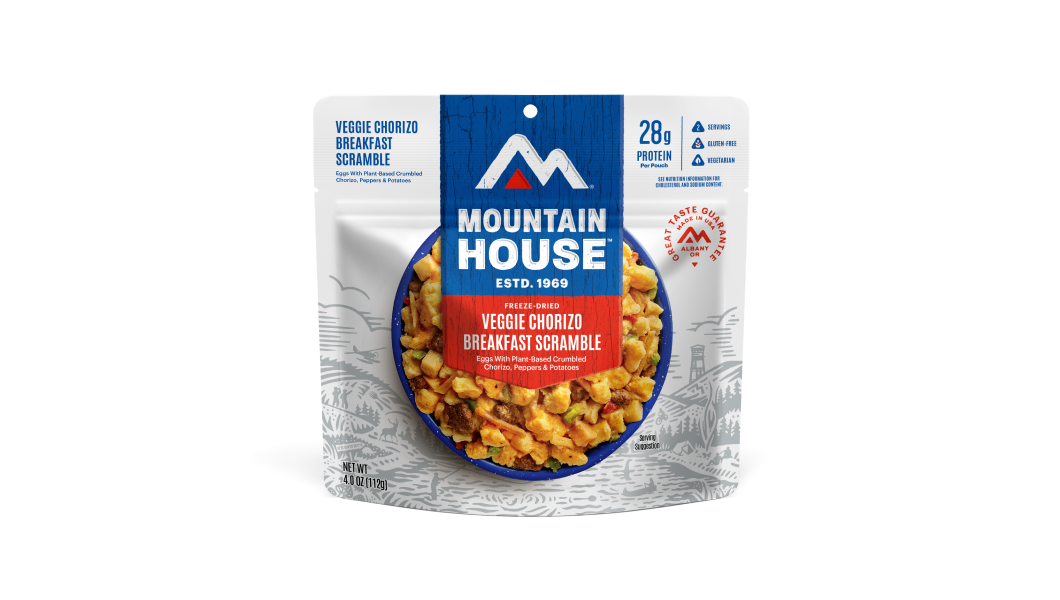
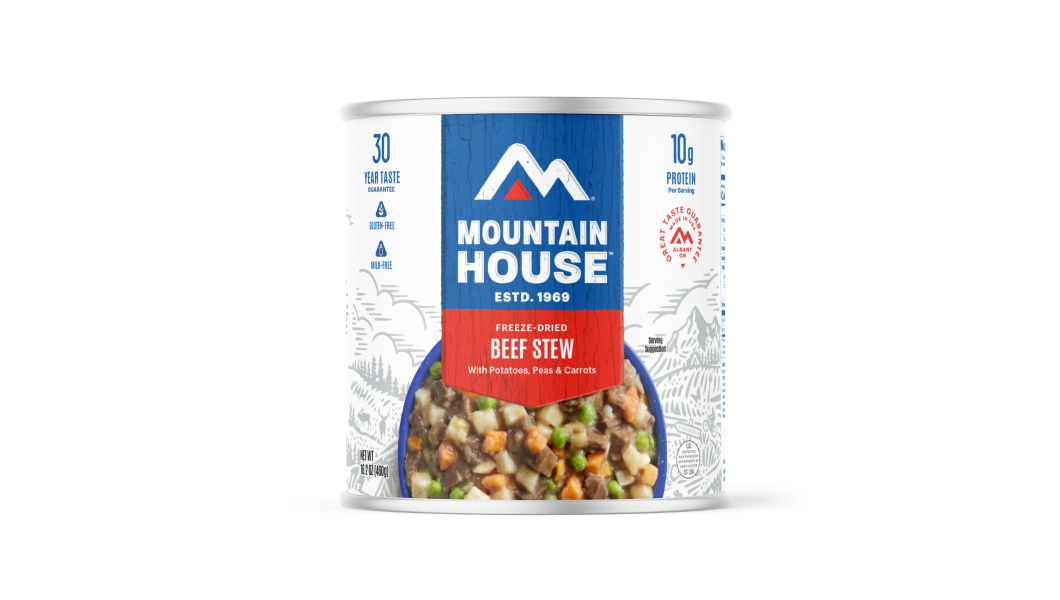
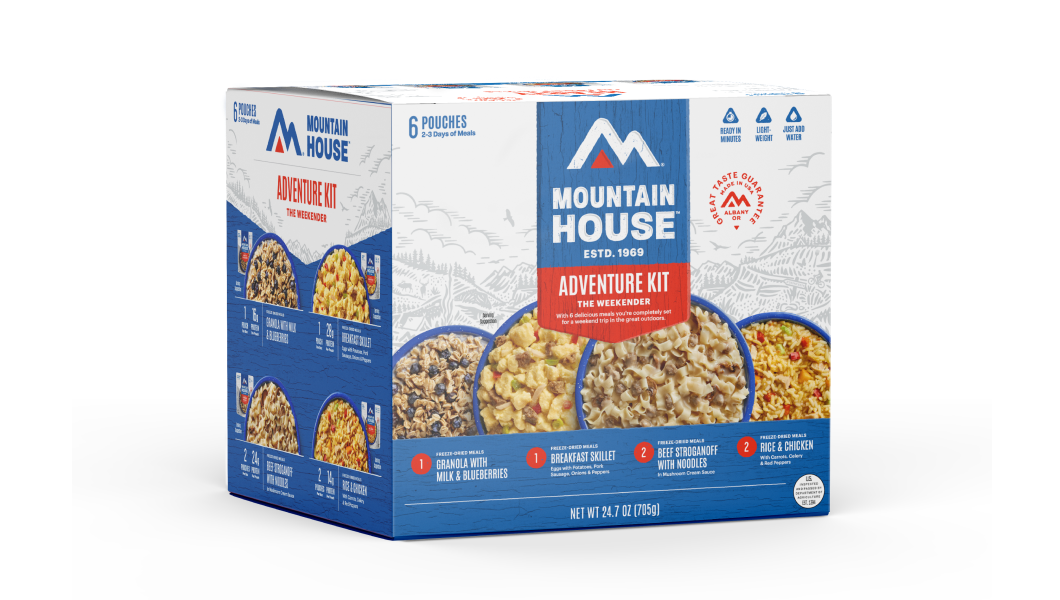
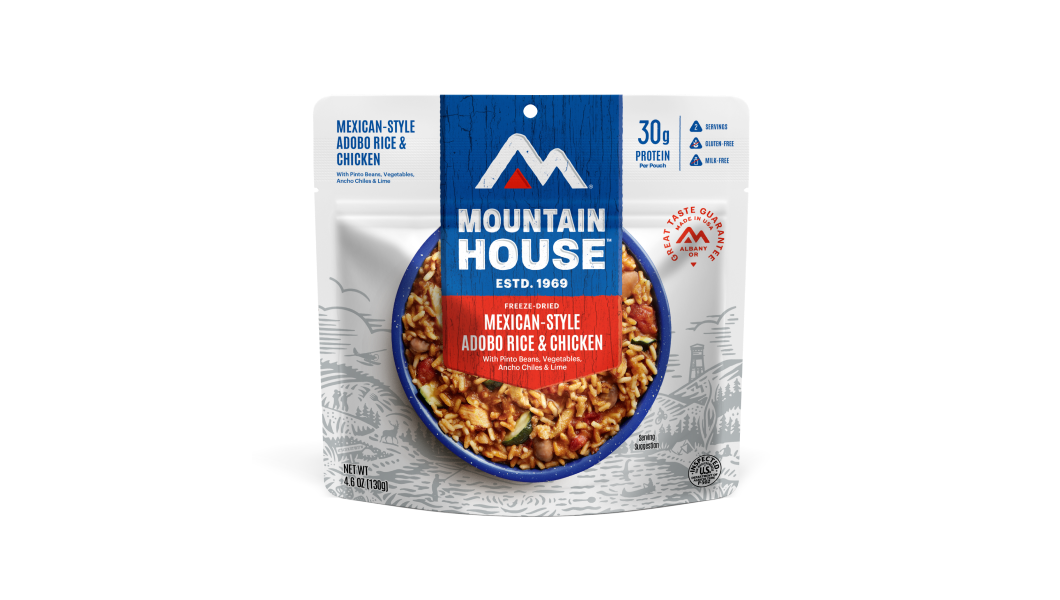
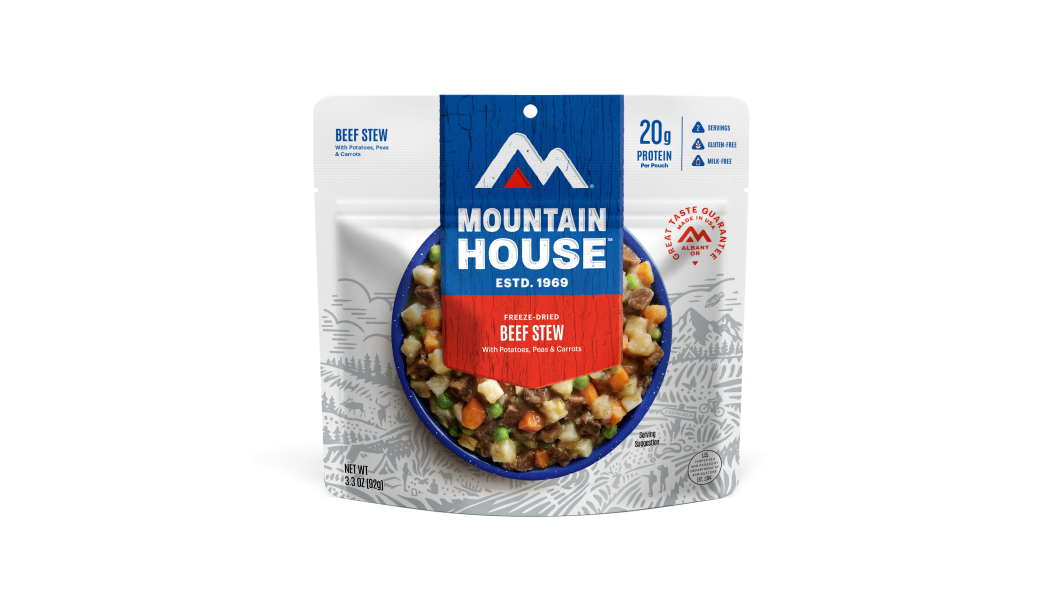
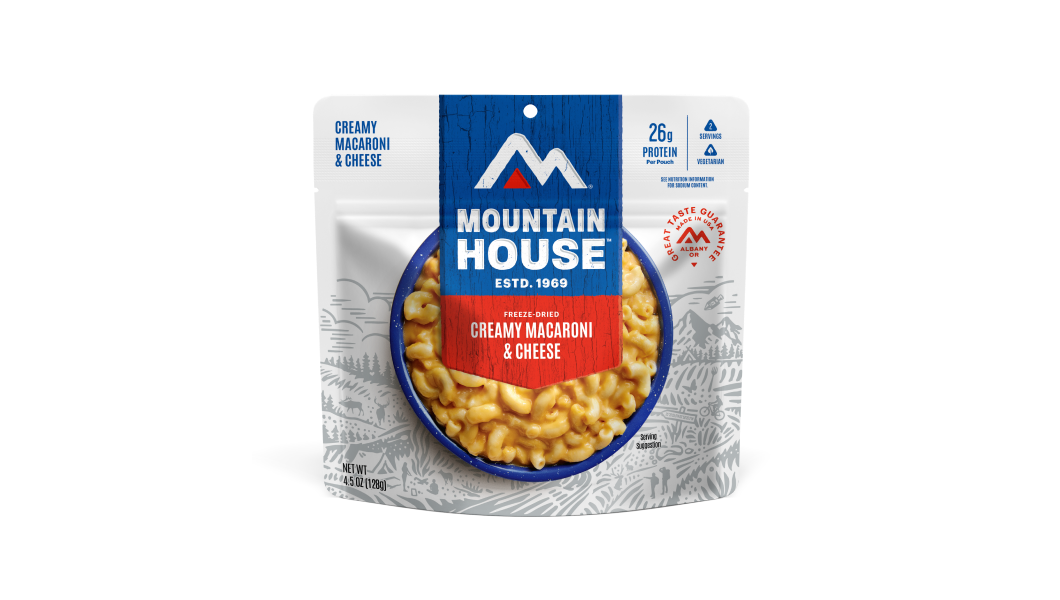
Inspired for an Adventure? Check out Beef Stroganoff - Pouch and Beef Stew - Pouch
A 72-hour emergency food kit is a three-day supply of ready-to-eat or easy-to-prepare meals when a hurricane disrupts power, water, and access to stores. FEMA and the Red Cross both recommend having at least 72 hours of emergency supplies on hand, and food is one of the most important pieces of that plan. Building your kit before the Atlantic hurricane season begins means you are more than ready for anything.
Why 72 Hours Is the Standard
FEMA has long recommended a minimum 72-hour emergency supply kit as the baseline for household preparedness. The logic is straightforward: after a major hurricane, local emergency services are stretched thin, roads may be impassable, and utility restoration can take days. Having three days of food and water on hand means you’re not dependent on outside help during that critical window.
DOE data from recent Atlantic hurricane seasons show that power outages lasting 72 hours or more are common after landfalling storms. The 72-hour standard isn’t a worst-case target; it’s the floor. Many preparedness professionals recommend building toward a seven-day supply over time, but starting with three days is the practical, achievable first step for most households.
What Goes in a 72-Hour Food Kit
A solid 72-hour emergency food kit covers three things: enough calories to sustain your household, foods that don’t require refrigeration, and options that are realistic to prepare without a functioning kitchen. FEMA recommends planning for roughly 2,000 calories per person per day for adults, though active adults and children with higher energy needs may require more.
The core of a well-built kit includes shelf-stable proteins, complex carbohydrates, and a source of healthy fat. Freeze-dried meals, nut butters, and whole-grain crackers are common examples that check those boxes without requiring a fully equipped kitchen. Avoid foods high in sodium without a reliable water supply, and skip anything that needs refrigeration once opened.
Why Freeze-Dried Food Fits Hurricane Prep
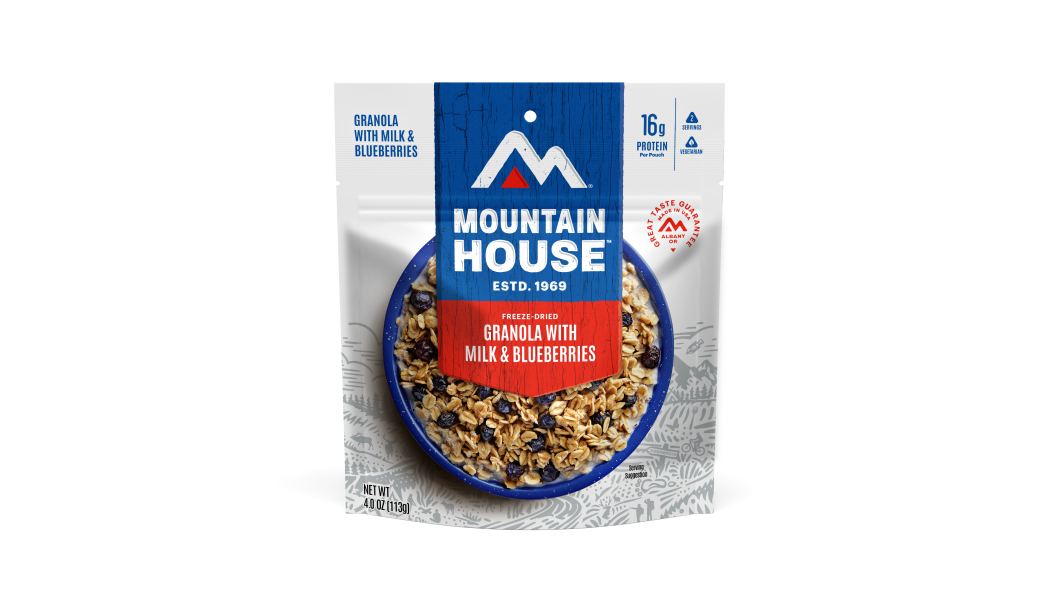
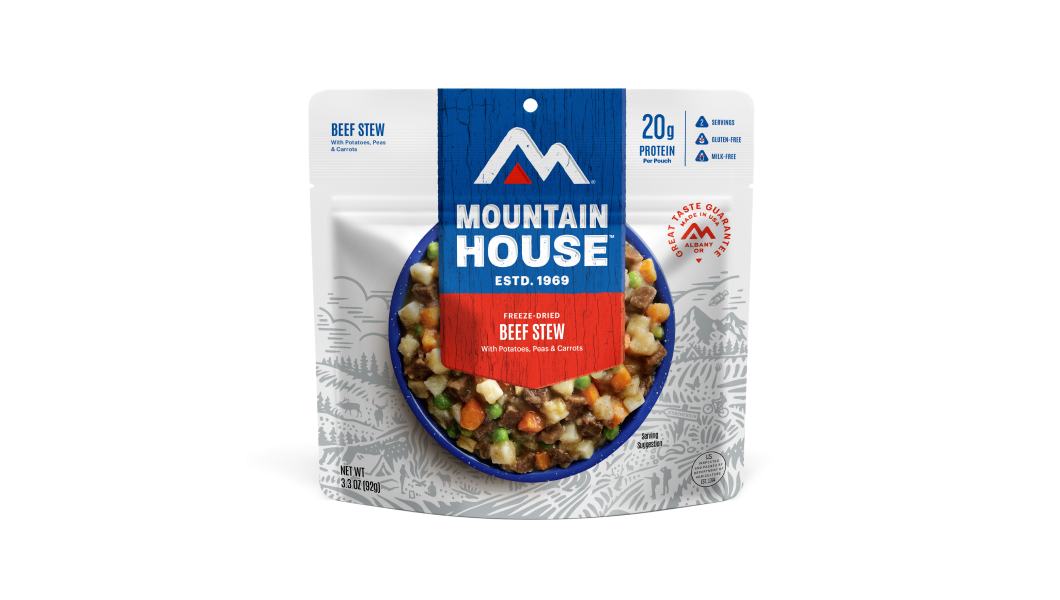
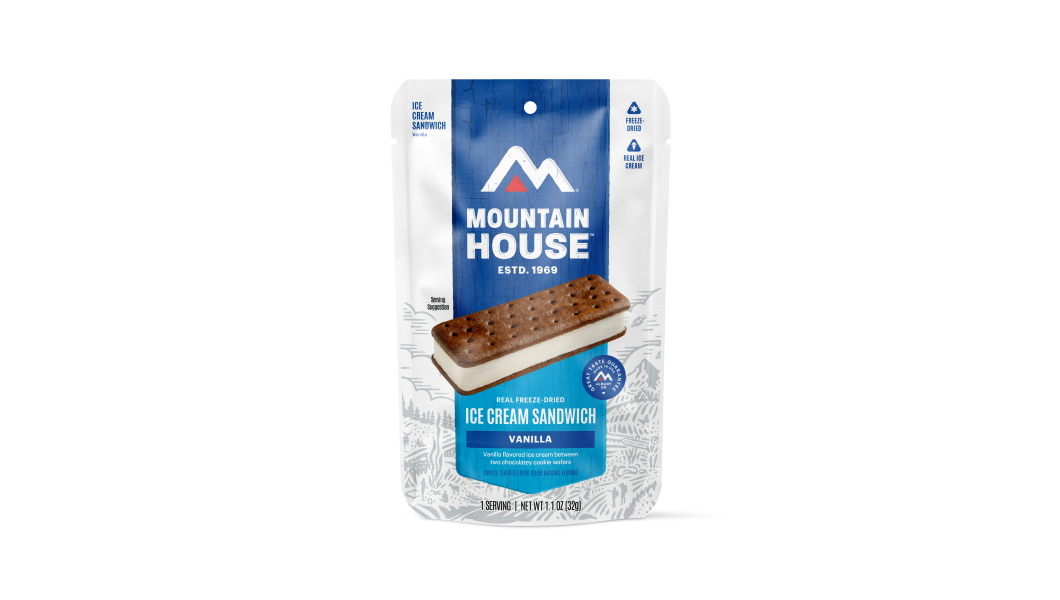
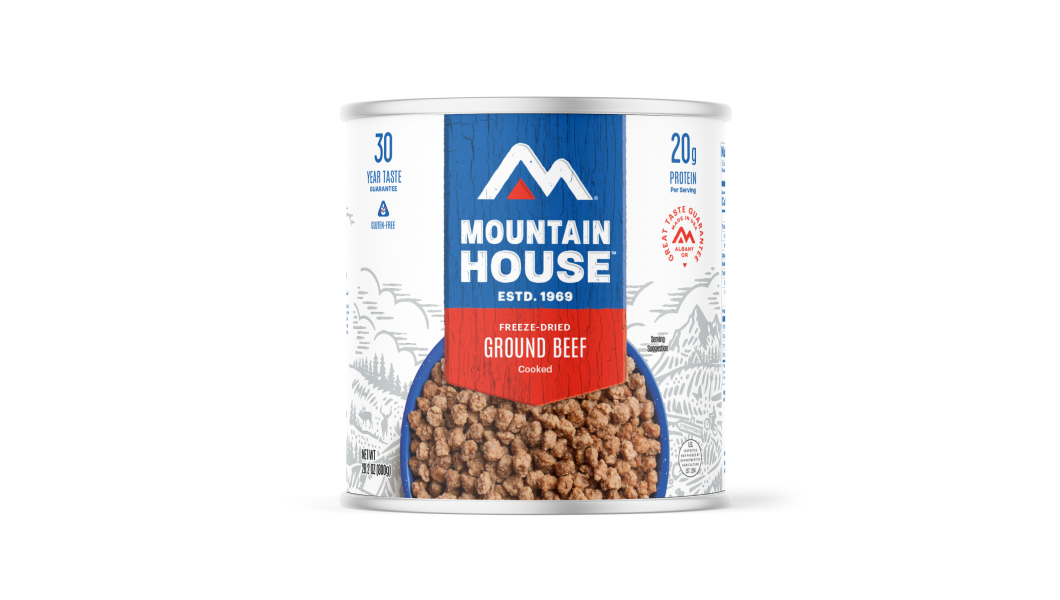
Mountain House freeze-dried meals have a shelf life of up to 30 years when sealed, which means a kit you build today can stay on the shelf until it is actually needed. Unlike canned goods, freeze-dried pouches are lightweight and compact, making them easier to grab and go if evacuation becomes necessary. Mountain House freeze-dried meals are a practical fit for this kind of kit because they require only hot or cold water to prepare and come in single-serving or multi-serving pouches.
Preparation is simple: add water, wait a few minutes, and eat from the pouch. Many Mountain House meals can be prepared with cold water in a pinch, which matters during a hurricane when a camp stove may not be an option. That flexibility is exactly what makes freeze-dried food a strong choice for hurricane preparedness over standard pantry items.
Sizing Your Kit for Your Household
The easiest way to size a 72-hour kit is to start with the number of people in your household and multiply from there. At 2,000 calories per person per day, a family of four needs roughly 24,000 calories across three days. That sounds like a lot until you start adding up the calorie density of freeze-dried meals, nut butters, and similar shelf-stable foods.
Children, elderly household members, and pets each add their own considerations. Young children generally need fewer calories than adults, but require foods they’ll actually eat under stress. If anyone in your household has dietary restrictions, build those requirements into your kit from the start rather than trying to work around them after a storm warning is issued.
Step-by-Step: Build the Kit
Building a 72-hour food kit doesn’t need to happen all at once. A straightforward approach is to start with breakfast, lunch, and dinner for one person for three days, then scale up by household size.
-
Step 1:
Calculate your calorie target. Multiply 2,000 by the number of adults in your household, then adjust for children and any higher-activity needs.
-
Step 2:
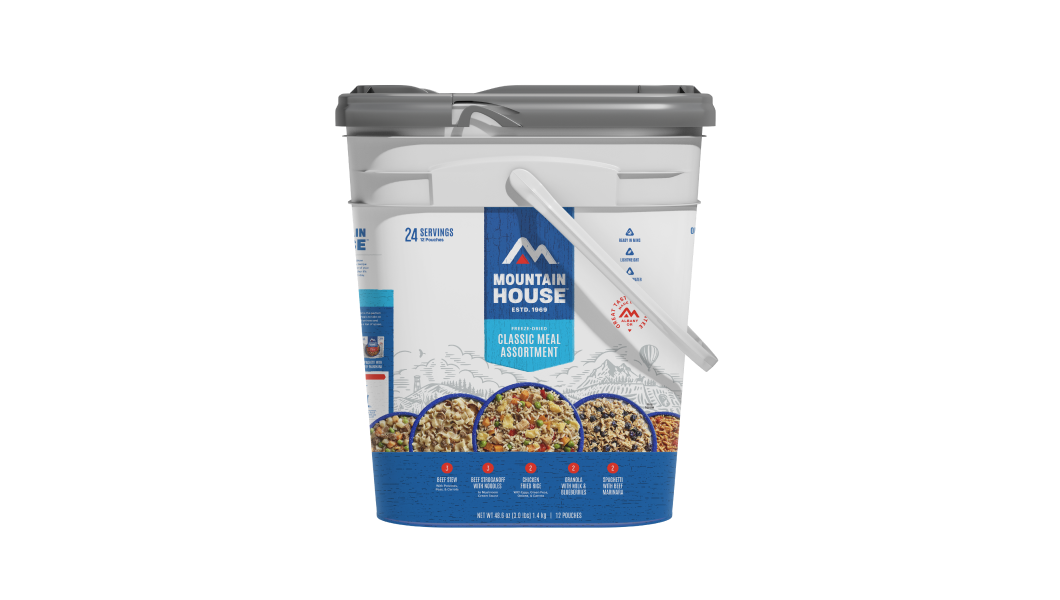
Choose your meals. Select a mix of breakfasts, dinners, and snacks that cover your calorie target. Mountain House offers a dedicated emergency food collection and bucket kits designed for exactly this purpose.
-
Step 3:
Don’t forget the essentials. Include water for hydration and meal preparation, a manual can opener if you’re packing canned goods, and a dependable light source to round out the basics.
-
Step 4:
Label and date everything. Write the date you assembled your kit on the outside of the container so you know when it’s time to rotate supplies.
-
Step 5:
This last step is simple. Store it properly! Let’s go over everything you need to know about storing your food kit.
Storage and Rotation
Where you store your kit matters as much as what’s in it. Heat and humidity are two of the biggest threats to shelf-stable food, so avoid storing your kit in hot garages, attics, or near water heaters and other heat sources. Instead, keep it in a cool, dry indoor location such as a closet or pantry.
Even freeze-dried meals with a 30-year shelf life perform best when stored in stable conditions. Aim to keep your kit in a location where temperatures stay below 75°F. Set a yearly calendar reminder to inspect your kit, replace anything that has been opened or damaged, and make sure your food supply still reflects your household's current size and dietary needs.
Beyond Food: Complementary Items
Food is the foundation of a 72-hour kit, but it’s only part of the equation. Water is just as important. FEMA recommends storing one gallon per person per day for drinking and basic sanitation. That means a family of three should have at least 9 gallons of water stored for 72 hours.
A camp stove with fuel, a water filtration option, and a basic first aid kit help round out your preparedness setup. Once your 72-hour baseline is covered, Mountain House's long-term options, including 10-cans, are worth considering to extend your household's preparedness window.
Get Started on Your Kit Today
Ready to build your kit before hurricane season starts? Explore the Mountain House emergency food collection, including freeze-dried meals a 30-year shelf life, buckets, and larger 10-can options for extended preparedness. Stock your 72-hour kit today at Mountain House.
Frequently Asked Questions
How much food per person per day?
Plan for approximately 2,000 calories per adult per day. Adjust upward for highly active individuals and downward for young children.
Does freeze-dried food expire?
Freeze-dried meals have a shelf life of 30 years when stored sealed in a cool, dry location.
Do I need a stove?
Not necessarily. Many freeze-dried meals, including Mountain House meals, can be prepared with cold water. A camp stove is a helpful addition, but not required for a functional kit.
Why 72 hours and not 7 days?
72 hours is FEMA's recommended minimum, and an achievable starting point for most households. It focuses on the critical first days of an emergency, when help may still be on the way. Once that baseline is in place, building toward a 7-day supply over time is a smart next step.
Should I include water in the food kit?
Yes. Water is essential both for rehydrating freeze-dried meals, and for drinking and basic sanitation. FEMA recommends storing at least one gallon per person, per day as a minimum.
Are Freeze-Dried Meals Safe and How Long Do They Last
Best Emergency Food for Power Outages