Shelf-Stable Food for Your Wildfire Evacuation Go-Bag

When a wildfire evacuation order comes, you may only have minutes to pack up and leave, with no guarantee of power, water, or a kitchen for days. Food that keeps for years, needs nothing but water, and travels light takes one worry off your plate at the worst possible time. If you live in an area that is prone to wildfires, you've probably already thought about a go-bag. This guide focuses on the food inside it: how much to pack, what to choose, and how to keep it current so it's ready if the day you need it comes.

What a Wildfire Evacuation Actually Demands

Wildfire evacuations move fast. A warning can turn into a mandatory order in under an hour, and sometimes the window to leave is 30 minutes or less. You won't have time to shop, cook, or think hard about food. Whatever's already in your bag is what you're taking.

That reality shapes every food choice. Your wildfire evacuation go-bag food has to be grab-and-go, require no refrigeration, and work whether you end up at a friend's house, a shelter, a hotel, or your own car. Pack for at least 72 hours (which is the standard emergency-preparedness window) because that's often how long it takes for services and re-entry to stabilize.

Why Shelf-Stable Food Belongs in Every Go-Bag

Perishable food has a way of failing when you need it most. Anything that needs a fridge is useless once you're on the road, and anything that needs real cooking is a big problem when you don't have a stove. Shelf-stable freeze-dried meal pouches solve both.

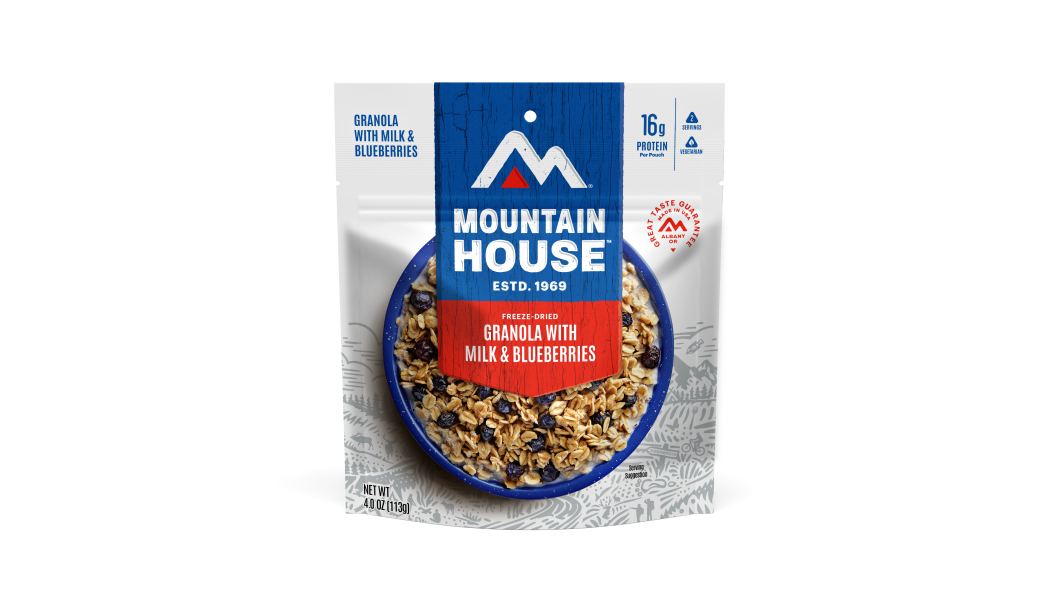
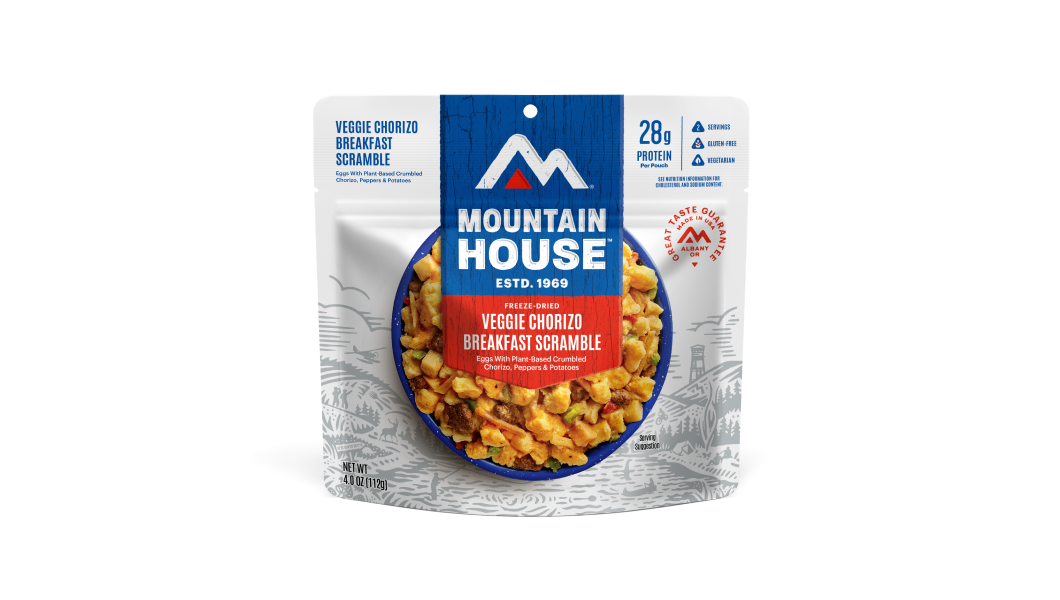
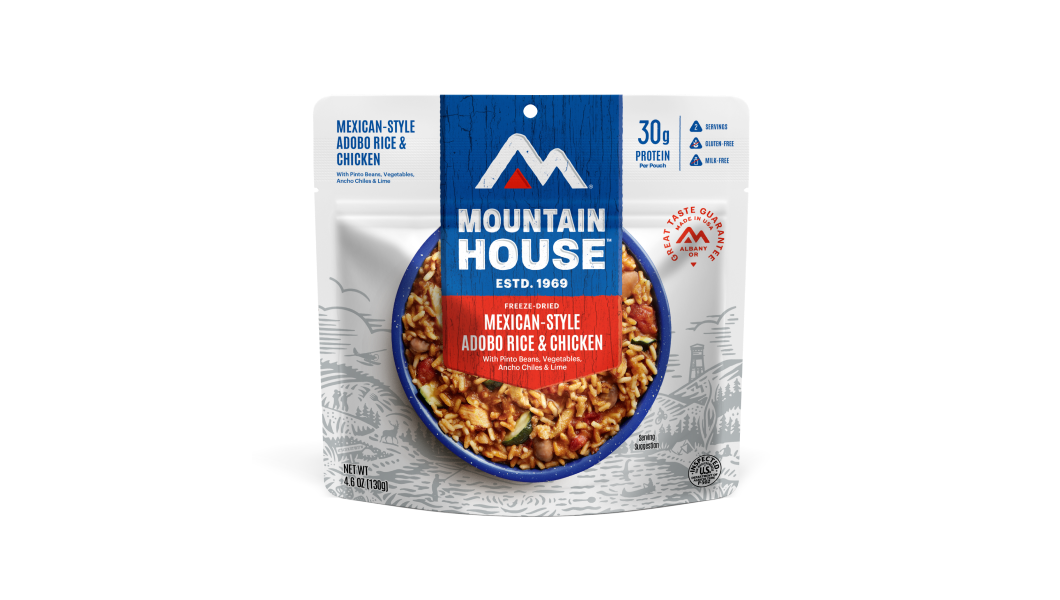
They don't need refrigeration, so they're ready whenever you grab the bag. They're lightweight and compact, which matters when you're carrying a bag, kids, pets, and important documents all at once. Their calorie density helps you get more food from less storage, and preparation only requires water. With hot water, a Mountain House meal is ready in about 15 minutes, and in a pinch, cold water works in about 30 minutes, so you can eat even if you can't boil water during an evacuation.

Because these meals are cooked in small batches before being freeze-dried, they deliver more than just calories - they provide the comfort of a real meal. During a stressful few days, a familiar hot meal can offer a small piece of normalcy, especially for kids.

To be clear, shelf-stable food is just one part of a complete go-bag. You’ll still need water, medications, documents, and other essentials. But it's the part that's easiest to solve for and then forget about until you need it most.

How Many Calories to Pack for 72 Hours

Plan food by calories, not by “meals,” because appetites and needs vary. A good baseline for a 72-hour supply looks like this:

  • Adults: about 2,000 calories per person per day, so roughly 6,000 calories for 72 hours

  • Kids: about 1,200 to 2,000 calories per day depending on age, so plan 3,600 to 6,000 calories for 72 hours

  • Pets: pack their normal daily portion for 3 days, plus a little extra, in their usual food

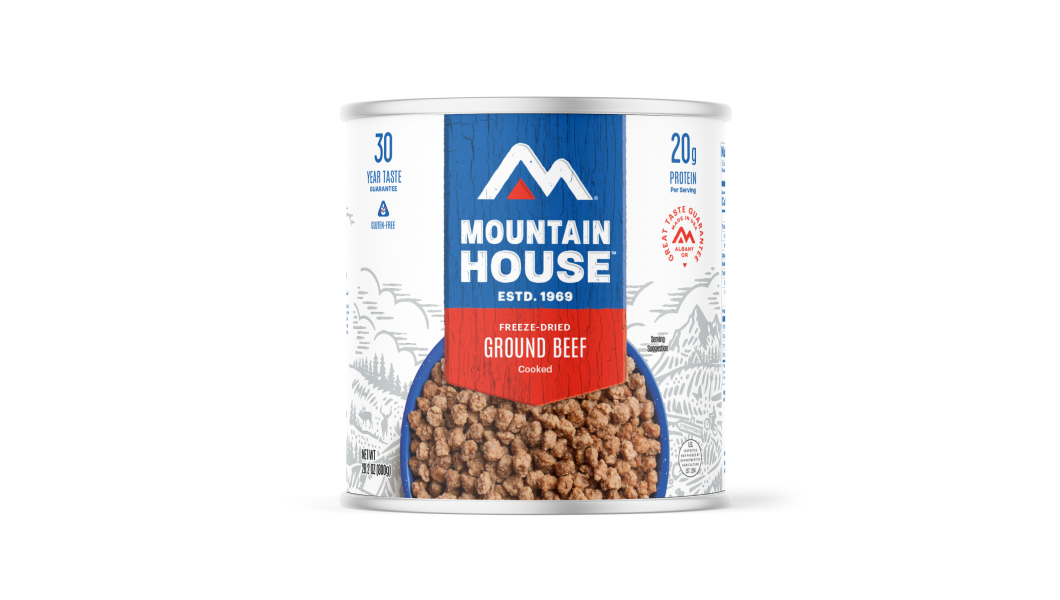
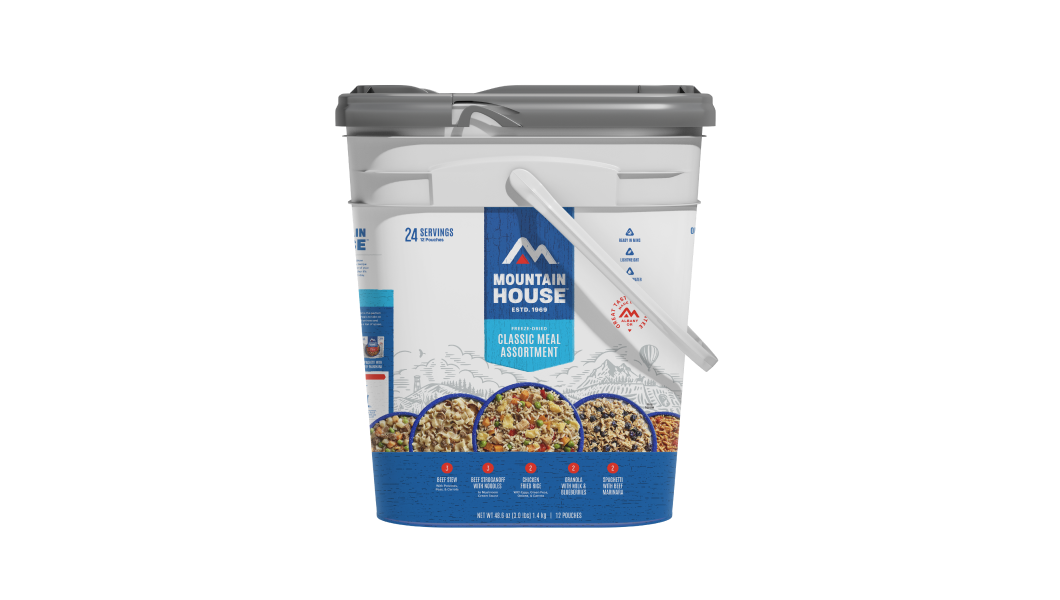
Round up rather than down. Stress, cold nights, and physical effort all increase how much food everyone needs, and extra calories add very little weight compared to the peace of mind they provide. A simple way to plan is to think in terms of three meals a day per person, then add calorie-dense snacks to help fill the gaps. For a longer-term home storage beyond your go-bag, larger formats like bulk buckets and #10 cans provide a convenient way to keep more food on hand.

What Food to Put in Your Go-Bag

Here's a starting checklist for one adult for 72 hours. Scale it up per person, and adjust for your family's tastes and needs. Each item notes roughly what it covers.

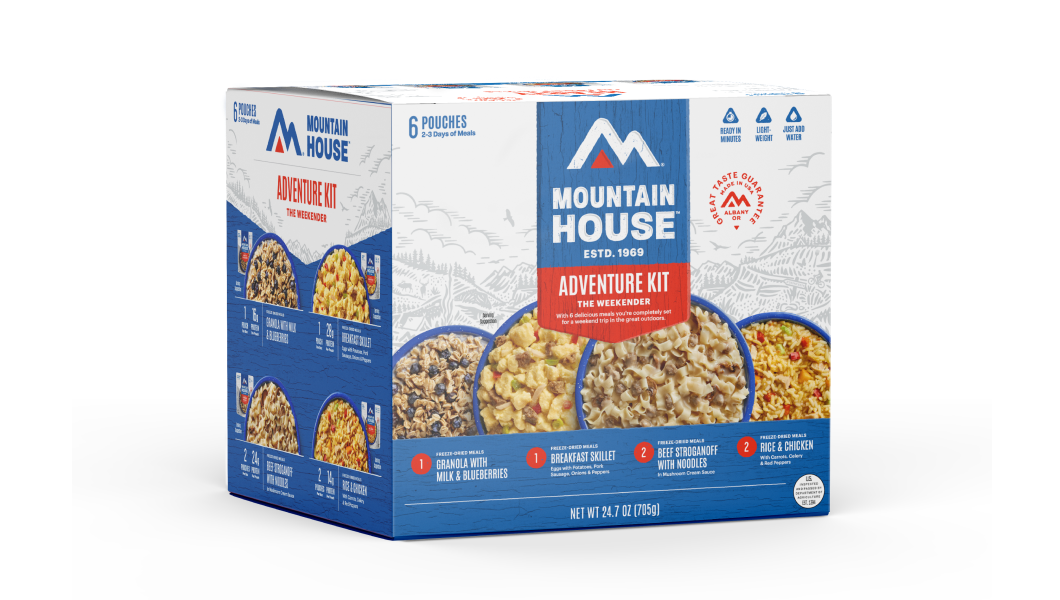
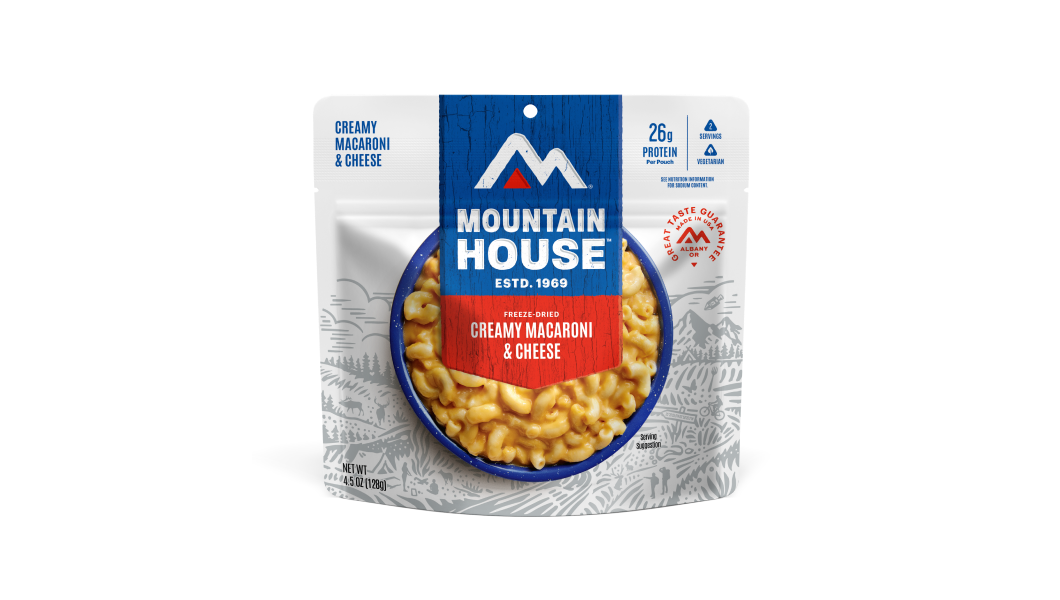
  1. Freeze-dried meals, 6 to 9 pouches. Two to three per day. Calorie-dense, just-add-water, and long-lasting, at around 500 to 800 calories each. This is the backbone of the food supply.

  2. Energy or protein bars, 6 bars. About 250 calories each. No prep, and easy to eat while moving during the first chaotic hours before you've settled anywhere.

  3. Nut butter packets or trail mix, 3 to 4 servings. Around 200 calories each. Dense fat and protein that need zero preparation.

  4. Dried fruit and jerky, a few servings. Shelf-stable, familiar, and easy to snack on for morale and quick energy.

  5. Water, at least 3 gallons per person, plus a way to purify more. You need water both to drink and to rehydrate meals. Never count on finding it.

  6. A manual can opener and a spork or spoon. Small, easy to forget, and frustrating to be without.

Keep the food simple and avoid relying on boiled water. During a wildfire, access to electricity can be unpredictable, so anything that must be boiled to be safe or edible doesn't belong in the bag. Cold-water rehydration is your fallback for freeze-dried meals. 

Staging a Car Cache Beyond the Bag

Your go-bag is what you grab on the way out the door. A car cache is your backup if the bag gets left behind or if the evacuation lasts longer than expected. Keep a second small stash of shelf-stable food and water in each vehicle, sized for about 72 hours per person who normally rides in it.

Freeze-dried meals are well suited for this, but heat is the catch. Don't store freeze-dried food long-term in a vehicle that regularly climbs above 100 degrees, since sustained heat degrades any food over time.

How Often to Rotate and Refresh Your Supplies

The best emergency food is the food you can count on when you need it. Build two habits to keep your go-bag ready.

First, check your go-bag food every 6 months. Tie it to an easy reminder, like the same weekend you change your clocks or test your smoke alarms. Make sure nothing has been removed from the bag, water is still sealed, and bars and snacks are still within their recommended dates.

Second, rotate the short-dated items. Freeze-dried meals carry a 30-year shelf life, so they'll outlast almost everything else in the bag, but bars, jerky, and dried fruit turn over on a scale of months to a couple of years. Use your 6-month check as a chance to eat what’s nearing its date and replace it with fresh supplies. 

Planning for Kids and Pets

Emergencies are especially frightening for kids, and familiar food can provide a sense of comfort when routines are disrupted. Pack meals and snacks your children already like and will actually eat, not just what looks best on paper. Include a few treats, because on a hard day, a familiar favorite does more than its nutritional value suggests.

For pets, pack their normal food rather than switching them to something new mid-crisis, which can upset their stomachs. Include a collapsible bowl, any medications, and enough food and water to last at least 72 hours.

Frequently Asked Questions

What food should I put in a wildfire go-bag?

Pack shelf-stable, no-cook or just-add-water foods that are lightweight and calorie-dense: freeze-dried meals, energy bars, nut butter, trail mix, jerky, and dried fruit, plus water. Aim for at least 72 hours of food per person.

Why is freeze-dried food good for evacuations?

It's shelf-stable for years, needs no refrigeration, is lightweight, and only needs water to prepare. Mountain House meals are ready in about 15 minutes with hot water, or about 30 minutes with cold water when heating isn't an option.

How long does freeze-dried emergency food last?

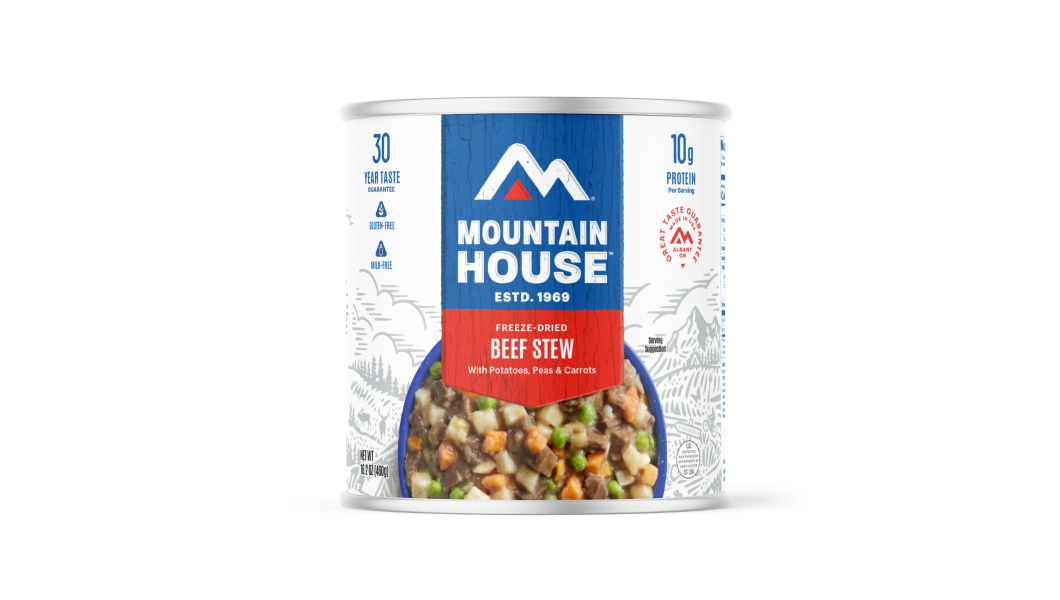
Mountain House meals have a 30-year shelf life, backed by our 30-Year Taste Guarantee, so a supply you build today will still be good decades from now. That long-term reliability is what makes them ideal to store in a go-bag and forget until you need them.

Build Your Go-Bag Before You Need It

The best time to pack your evacuation food is long before an evacuation comes. Stock up today on emergency food and survival meals, so your family's covered when it counts.


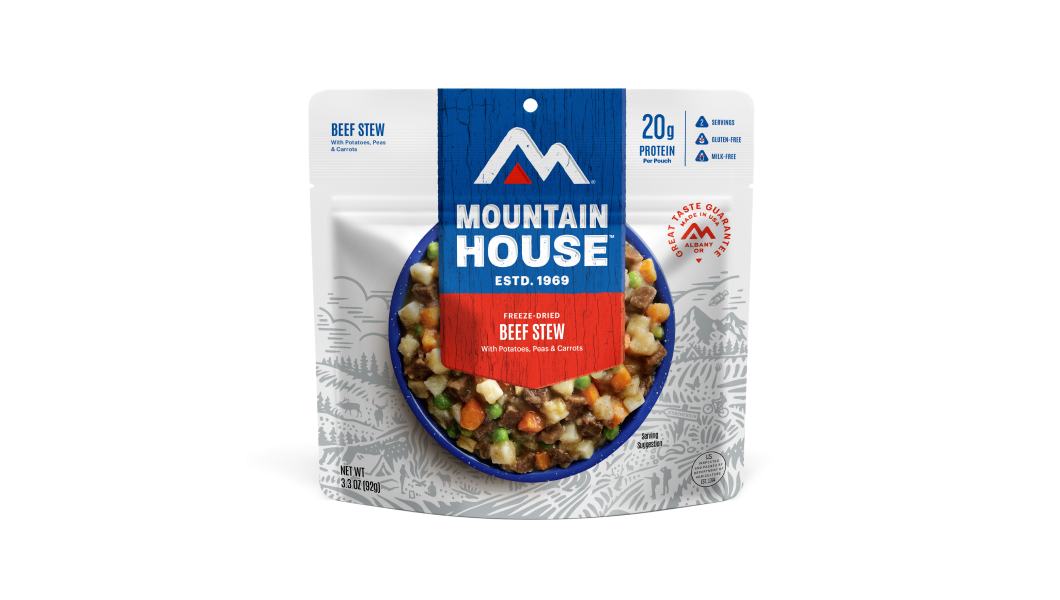
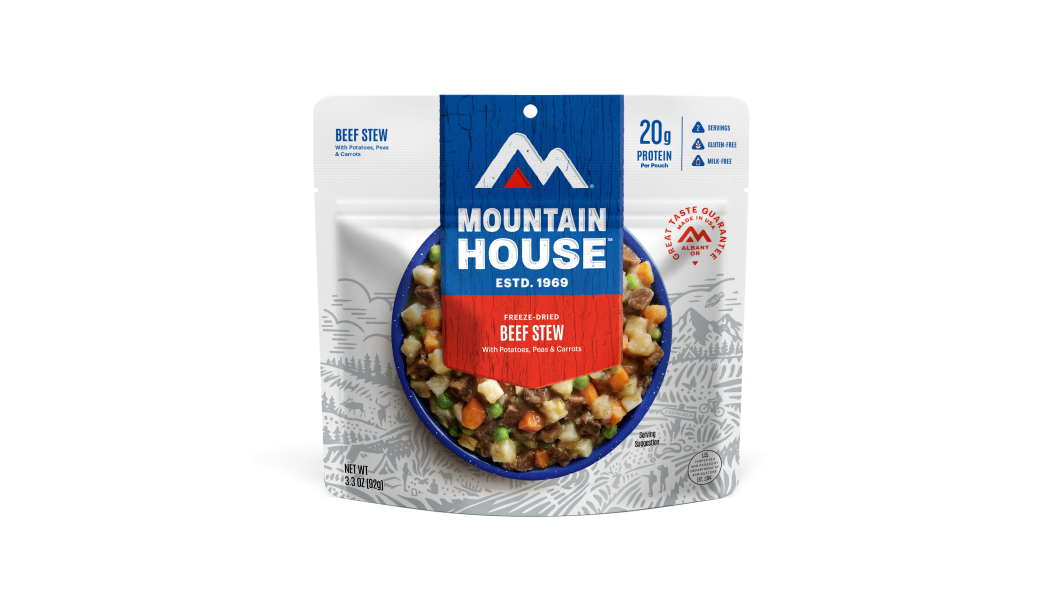
Inspired for an Adventure? Check out Beef Stroganoff - Pouch and Beef Stew - Pouch