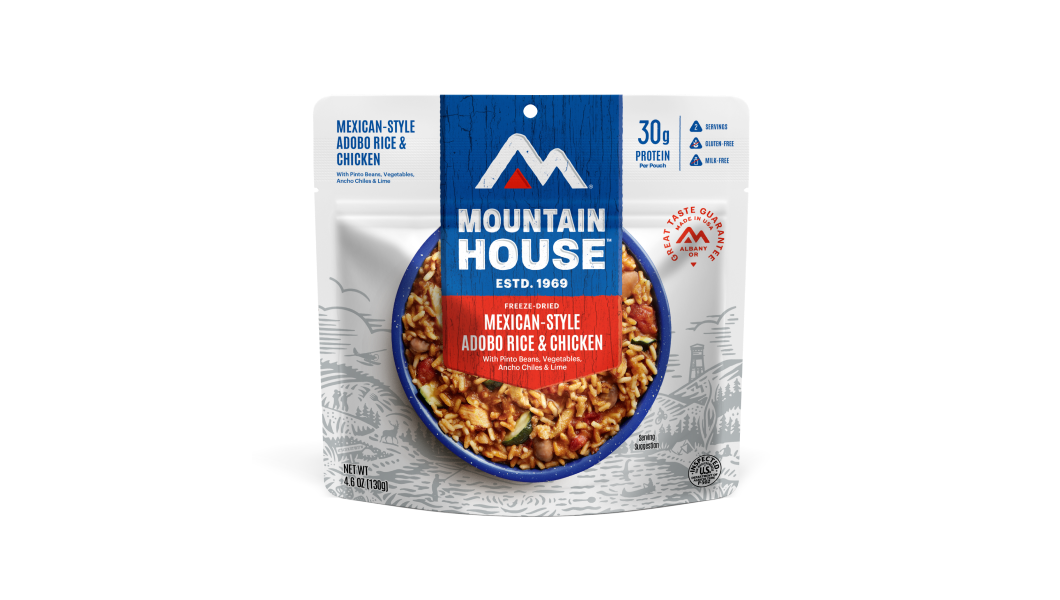
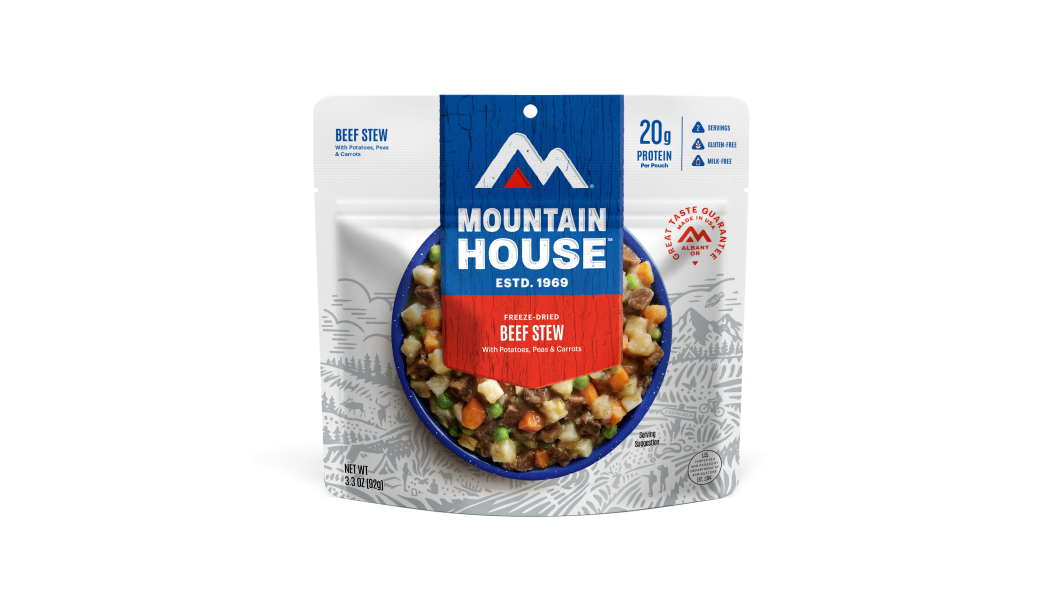
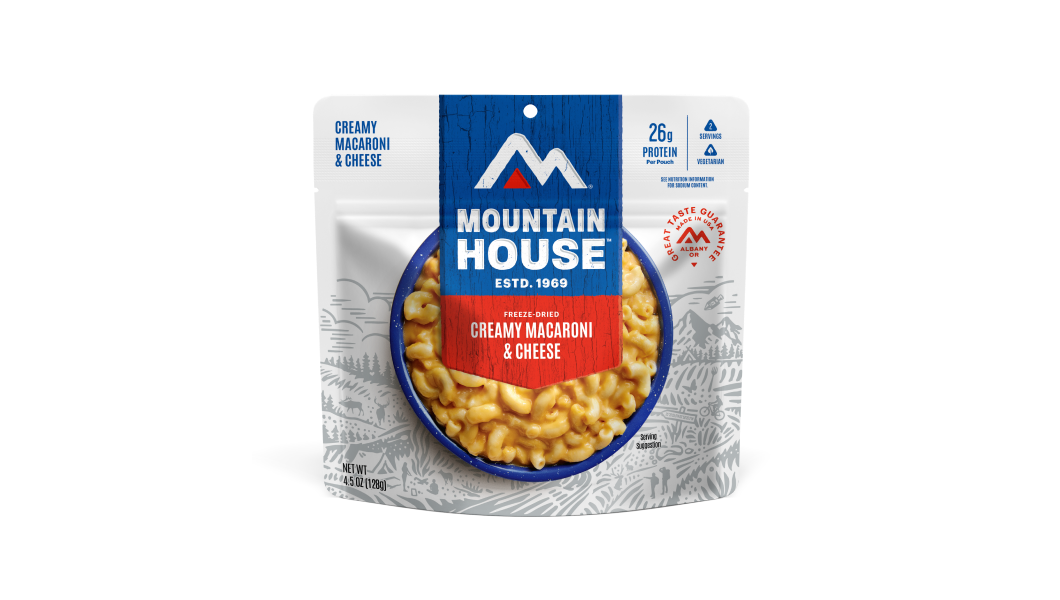
Inspired for an Adventure? Check out Beef Stroganoff - Pouch and Beef Stew - Pouch
A summer blackout is an entirely different problem from a winter one. The grid gets strained when everyone's air conditioning runs at once, so outages tend to hit on the hottest days, right when your refrigerator has its hardest job, and your kitchen is the last place you want to light a burner. When a heat wave knocks out the power, the safest food is the kind that needs no fridge and no stove. Think shelf-stable staples like canned goods and dry snacks, plus freeze-dried meals you can rehydrate with cold water when it's too hot to cook. If you build a three-day supply of no-cook food and water before the next grid warning, a summer outage becomes an inconvenience instead of an emergency. Here's what to eat, how to prepare meals without electricity, and what to keep on hand so you're ready before the lights flicker.
Why a Heat-Wave Outage Is a Double Problem
Two things go wrong at the same time during a summer outage, and planning for both can keep you safe and comfortable. First, your refrigerator stops working, and cold food only stays safe for so long. Second, it's too hot to cook. Running a stove or oven in a house already climbing past 90°F adds extra heat you don't need.
Here are the USDA power outage food-safety rules worth knowing:
-
Your refrigerator keeps food safe for about 4 hours if the door remains closed. After that, throw out any perishable items, such as meat, eggs, milk, or leftovers.
-
A full freezer holds a safe temperature for about 48 hours, or 24 hours if it's only half full, as long as the door stays shut. That means your freezer stash may survive the power outage.
-
Heat speeds up bacterial growth. Normally, perishable food, like your takeout lunch or last night’s pizza, should be tossed after sitting for 2 hours at room temperature. If it’s hotter than 90°F, that time is reduced to just 1 hour.
-
Keep the doors closed. Every time you open the fridge to check on or rescue food, you let the cold out and shorten that window.
-
When in doubt, throw it out. Never taste food to decide whether it's safe.
In a heat wave, you can’t count on the food in your fridge or freezer. That’s why you need a supply of food and meals that don’t need refrigeration or cooking in the first place.
The No-Fridge Food Framework
No-cook, shelf-stable food falls into three groups: cans, dry goods, and freeze-dried meals. A good outage kit uses all three because each covers a gap the others leave.
Canned Goods
Beans, chili, tuna, chicken, soups, fruit, and vegetables are ready to eat straight from the can, with no water or cooking required. The catch? Cans are bulky, heavy, and usually require a manual can opener to eat them. They also have a shorter shelf life, typically lasting 2 to 5 years, so you’ll have to swap them out fairly regularly.
Dry Staples and Snacks
Crackers, nut butter, granola, jerky, dried fruit, trail mix, protein bars, and shelf-stable tortillas need no prep at all. Just unwrap and go! They're great for filling gaps and keeping kids happy, but it's hard to build full, balanced meals out of snacks alone.
Freeze-Dried Meals
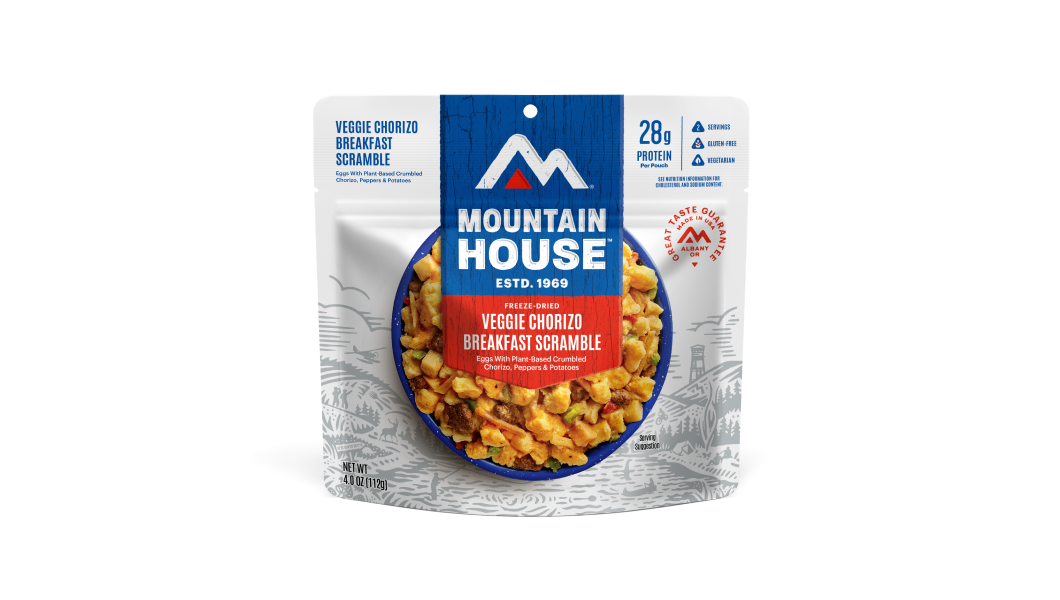
This is where Mountain House freeze-dried meals come in. We cook every recipe in small batches, then freeze-dry it, so you get real, complete meals, rather than raw ingredients in a bag. They're lightweight, easy to pack, and all they need is water to spring back to life. Since they're already cooked, you can rehydrate them with cold water when firing up a stove isn't an option. Bonus: they carry a 30-year shelf life, so a breakfast skillet you buy this summer will still be good for years to come.
Can You Make Freeze-Dried Meals Without Hot Water?
Absolutely! Because Mountain House meals are fully cooked before we freeze-dry them, cold water works too. It takes about twice as long, roughly 30 minutes instead of the usual 15, and most meals taste better hot, but in a heat wave, skipping the stove is exactly what you’ll want.
How to Cold-Rehydrate a Pouch
-
Open the pouch and take out the oxygen absorber.
-
Add the amount of cold, clean water listed on the package. Use bottled or otherwise safe water during an outage.
-
Stir well so every bit of food gets wet, then seal the pouch.
-
Wait about 30 minutes. Give it another stir halfway through.
-
Check the texture, add a splash more water if any pieces are still firm, and eat straight from the pouch.
Which Mountain House Meals Work Best Cold?
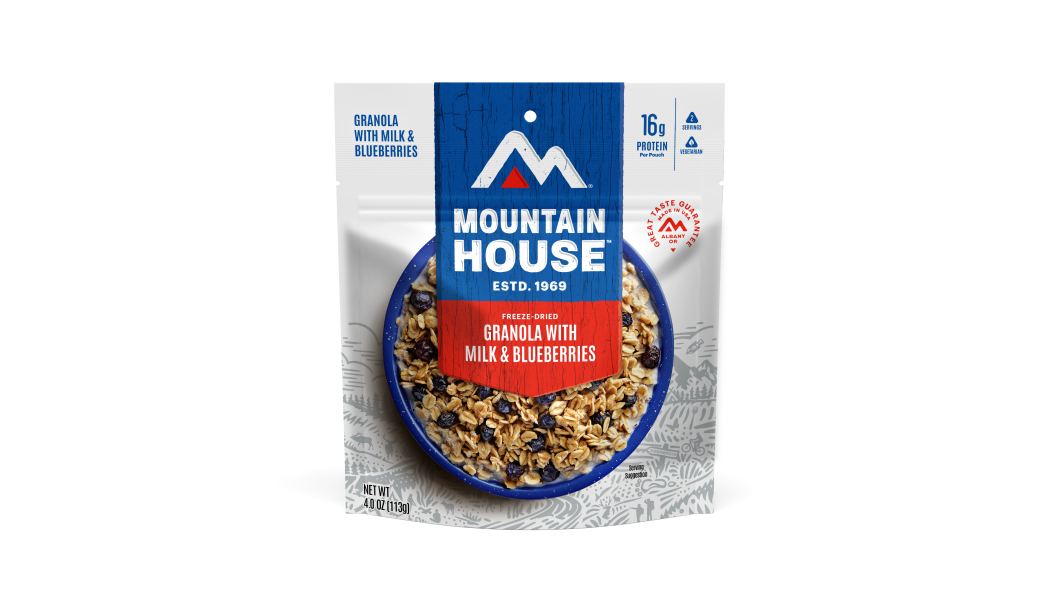
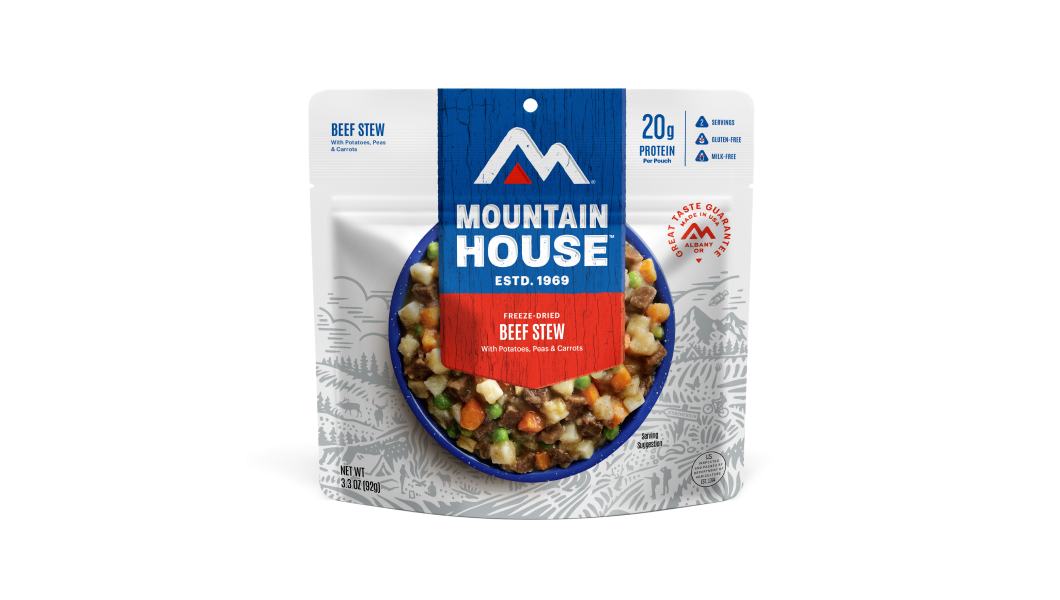
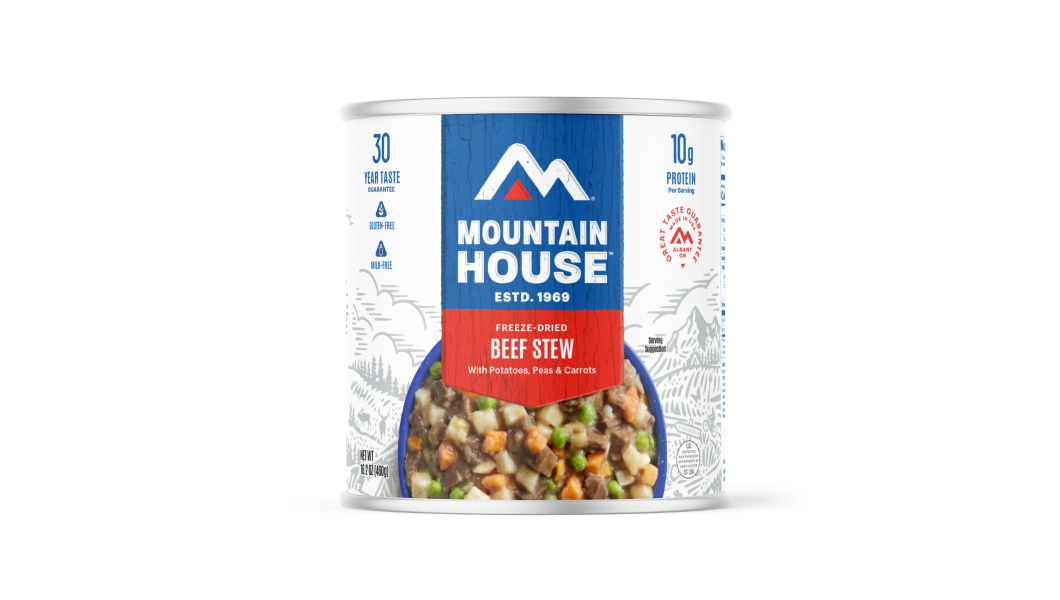
Some meals rehydrate faster with cold water. Lighter options are typically ready sooner, and breakfasts like Granola with Milk & Blueberries are especially well suited for cold prep. Heartier, meatier meals like Beef Stew take a little longer to fully rehydrate. If cold-water prep is part of your backup plan, lean your kit toward a mix of quick rehydrating breakfasts and hearty entrees, so you’re ready for any situation.
A Sample 72-Hour Heat-Wave Meal Plan
Here's what three days of no-cook eating can look like: three meals a day, none of it needing a fridge or a stove. Mixing cans, dry items, and freeze-dried meals means you're never leaning on a single source.
Day 1
-
Breakfast: Granola with Milk & Blueberries (cold water)
-
Lunch: Crackers, canned tuna, and dried fruit
-
Dinner: Beef Stroganoff (cold or hot water)
Day 2
-
Breakfast: Breakfast Skillet (cold or hot water)
-
Lunch: Nut butter, tortillas, and trail mix
-
Dinner: Chicken & Rice (cold or hot water)
Day 3
-
Breakfast: Granola or oats with dried fruit
-
Lunch: Canned chili and crackers
-
Dinner: Beef Stew (cold or hot water)
Round it out with snacks like jerky, protein bars, and fruit, and adjust portions to each person's appetite and calorie needs.
Don't Forget Water and Electrolytes
Heat plus no air conditioning means you'll need more fluids than usual, so water planning matters as much as food. A good rule of thumb is to store at least 1 gallon of water per person per day, with a 3-day minimum, and more if you have the room. Electrolyte packets or powders can also be great to have on hand during a heat wave. On top of that, make sure you have enough water set aside to add to your freeze-dried meals.
Staying Cool During an Outage
Food is one half of heat-wave prep, and staying cool is the other. Here are a few quick tips:
-
Close blinds and curtains on the sunny side of the house during the day.
-
Move to the lowest floor, where it's coolest.
-
Use battery-powered fans and damp cloths on your neck and wrists.
-
Drink water before you feel thirsty.
-
Know where your nearest public cooling center is, and check on older neighbors and anyone with health conditions.
Building Your Heat-Wave Outage Kit
Now, let’s put it all together. Here's a simple checklist to put together before the next heat wave:
-
3 days of no-cook food per person, at three meals a day, scaling up toward two weeks if you can.
-
Water: 1 gallon per person per day, 3-day minimum.
-
A manual can opener.
-
Electrolyte mix.
-
A cooler with a few frozen water bottles or gel packs.
-
A battery or hand-crank fan and light.
-
Comfort items like coffee, favorite snacks, and anything that makes a rough day easier.
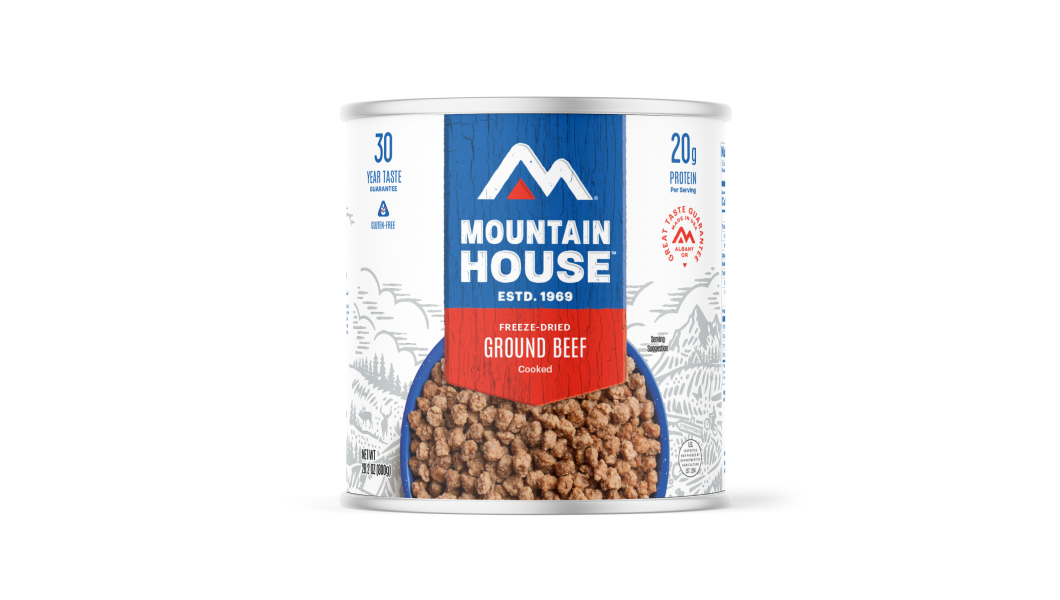
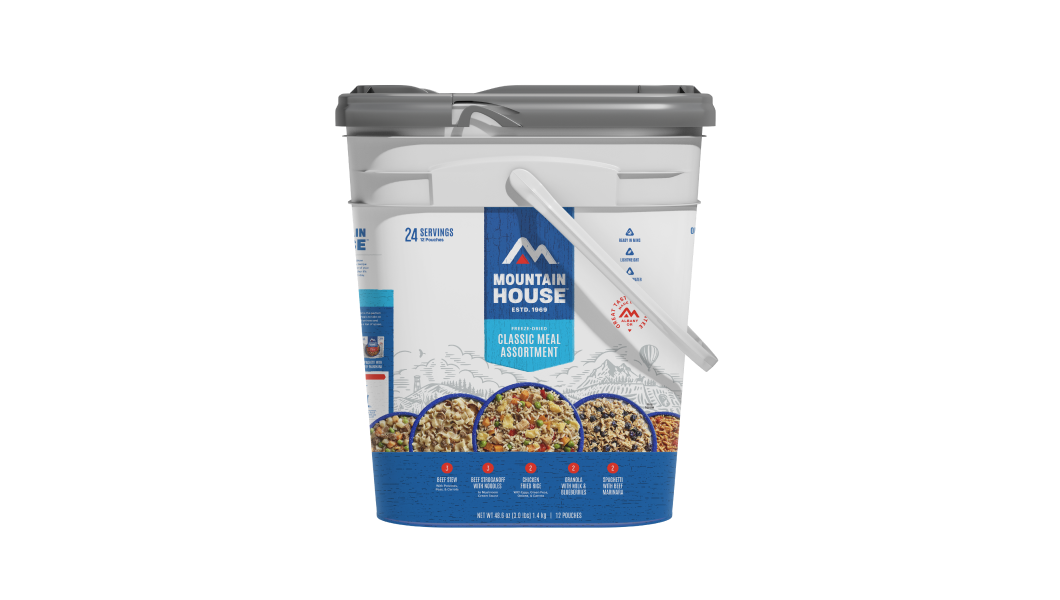
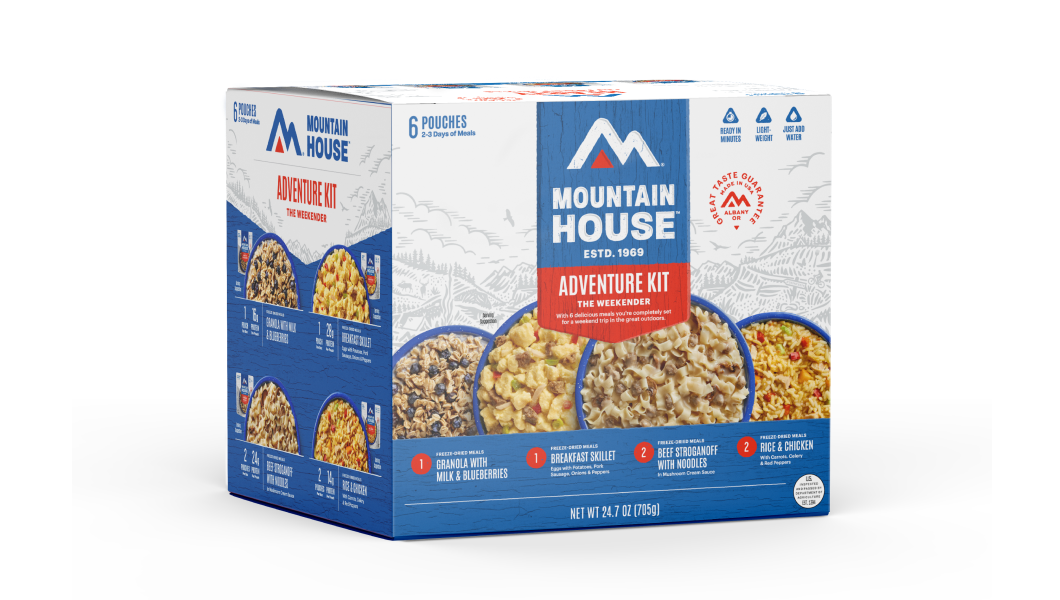
The easiest way to cover meals for a family is a Mountain House emergency food kit, bucket, or #10 Cans. All they need is water, and they keep for 30 years. Buy once, and you're set for a long time, with no yearly rotation to track.
Shop Mountain House Today!
Stock up today on Mountain House emergency food and survival meals, and head into the next heat wave knowing dinner's already taken care of.
Shelf-Stable Food for Your Wildfire Evacuation Go-Bag
Hurricane Season Prep: Building a 72-Hour Emergency Food Kit