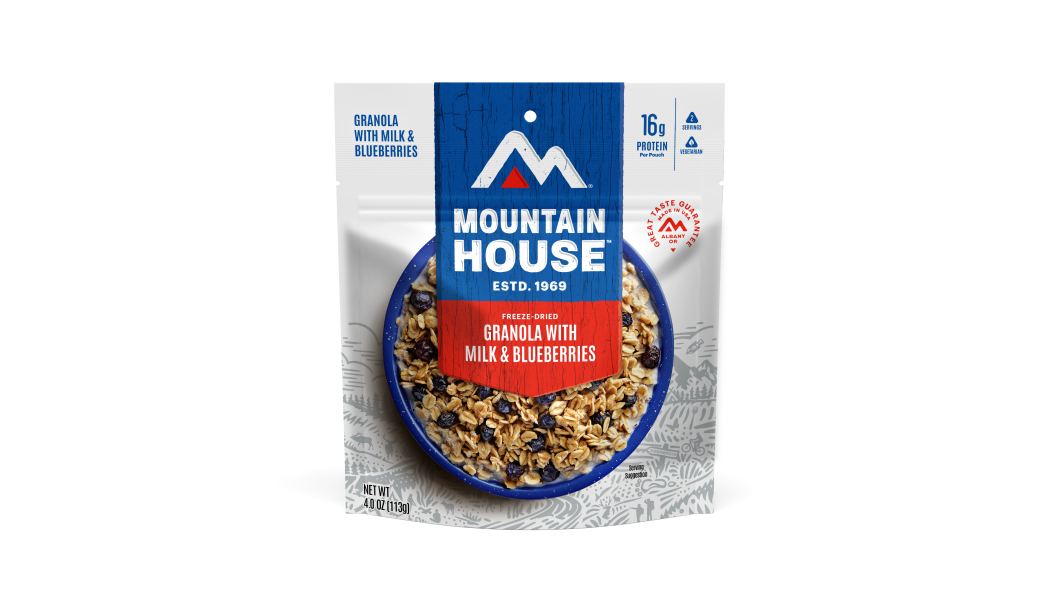
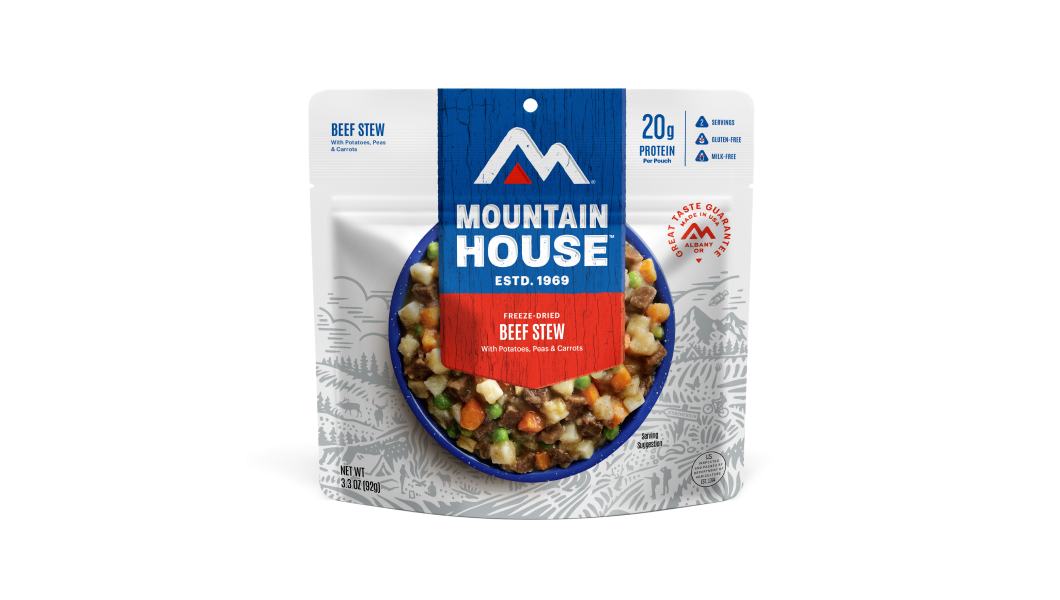
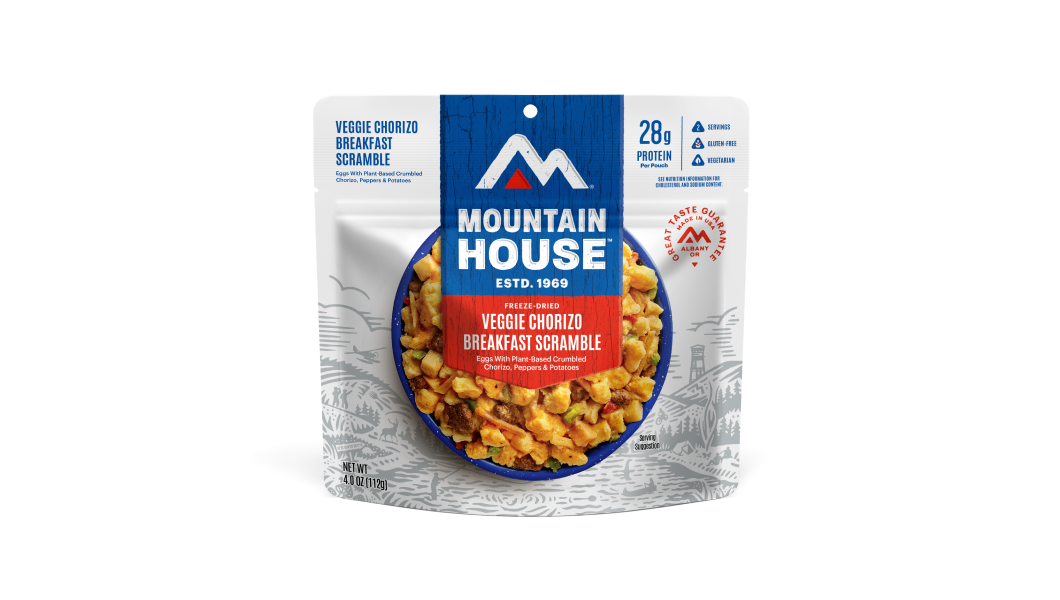
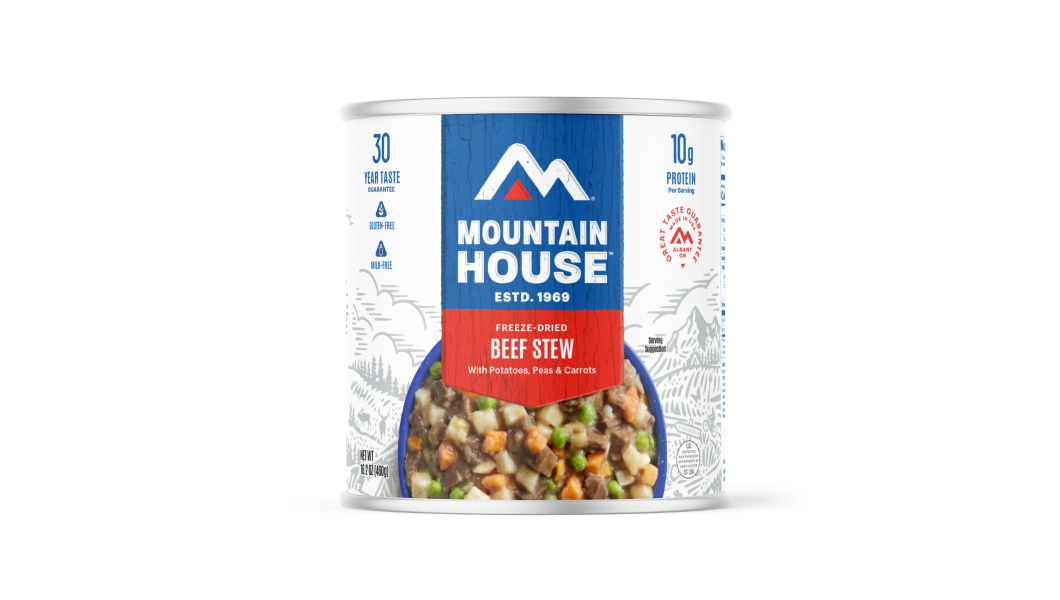
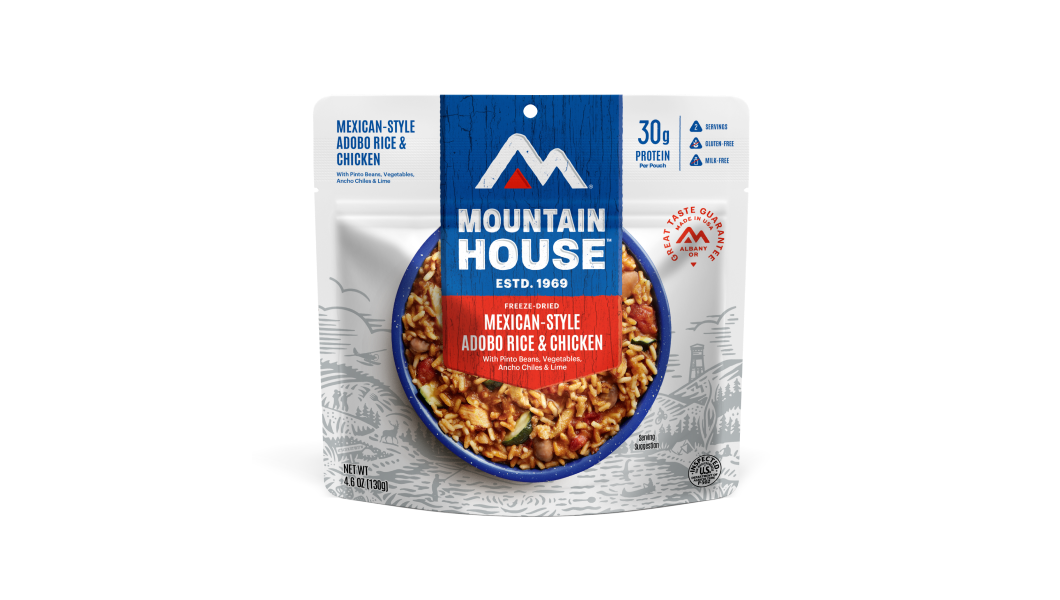
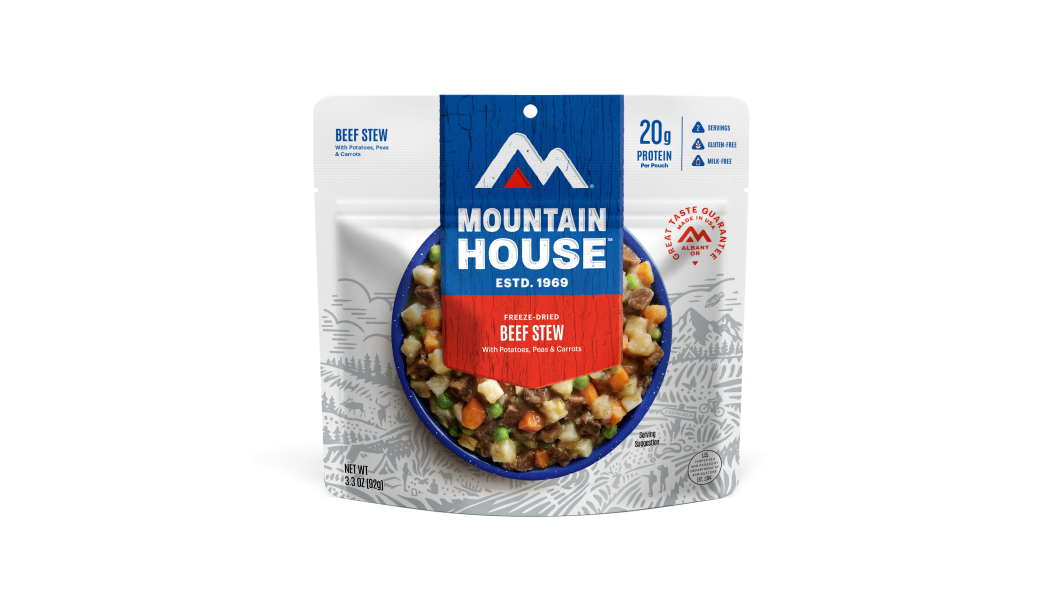
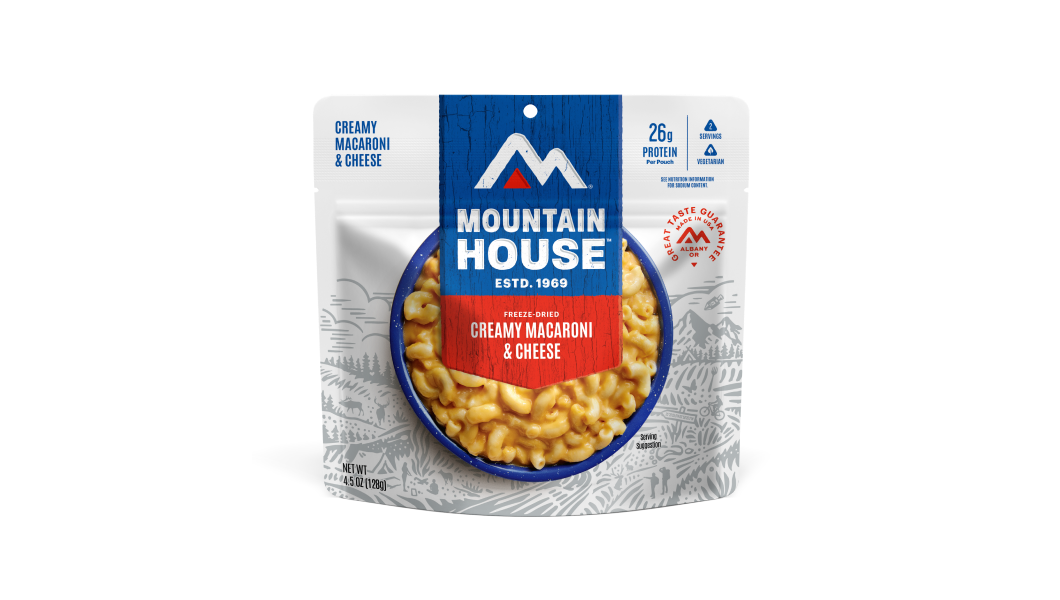
Inspired for an Adventure? Check out Beef Stroganoff - Pouch and Beef Stew - Pouch
A 30-day emergency food supply is a month’s worth of shelf-stable meals, water, and backups for your household, sized to real calorie and water needs and built to store for years without constant rotation. It bridges the gap between a 72-hour kit and true long-term resilience. Getting there is mostly a matter of running the calorie and water numbers, storing everything so it lasts, and building up a week at a time so the cost never lands all at once.
Why Build a 30-Day Supply
A 72-hour kit can help you get through the first few days of a disruption. A 30-day supply covers the harder middle: extended power outages, supply shortages, job loss, a rough storm season, or a stretch when getting to the store isn’t easy. FEMA and the American Red Cross recommend starting with at least three days of food and water, then building your supplies toward two weeks, and more as you’re able. For many households, thirty days is a practical next step, giving you enough supplies on hand to weather a prolonged disruption without having to scramble for supplies every time something goes wrong.
For a sense of the smaller tiers first, see our guide to how much emergency food you need for 3, 7, and 30 days.
Thirty days also changes how a disruption feels. Instead of rationing from the start or joining the rush at a picked-over store, you can cook familiar meals on your own schedule and make decisions with a clear head.
What a 30-Day Supply Needs to Contain
A complete 30-day supply rests on four things, in order of priority. Water comes first and is the true non-negotiable. FEMA and the Red Cross suggest at least one gallon per person per day for drinking and basic hygiene, which works out to about 30 gallons per person over a month, so store more if you can and keep a filter as backup. Calories come next. Plan for roughly 2,000 per person per day, and more for active adults, teens, pregnant or nursing family members, and cold climates, which puts one adult around 60,000 calories for the month.
Variety is the third requirement, because a month of the same meal is a real problem. People, and kids especially, stop eating when food gets boring, so build in breakfasts, hearty dinners, and a few familiar comfort meals. The last piece is backups: a manual can opener, a cooking method that works without power, and the salt, spices, and coffee that keep morale up.
A Quick Calorie and Water Target
For a family of four over 30 days, a rough baseline is about 240,000 food calories and 120 gallons of water. Treat those as floors, not ceilings.
The Cost-Per-Day Framework
You don’t have to build a month of food in one purchase. Instead, think in terms of cost per person, per day, then spread it out. Set a daily food budget you can sustain, then multiply it by 30 and the number of people in your household so you have a target to build toward. Spend where it counts, on reliable calories, long shelf life, and meals your household will actually eat, and save where you can by buying on sale, choosing bulk formats like #10 cans and assortment buckets for your staples, and filling gaps with inexpensive basics like rice, oats, and canned goods.
Freeze-dried meals cost more per serving than dry bulk staples, and they earn it twice over. A 30-year shelf life means you buy once instead of rotating every year or two, and the familiar, comforting taste keeps morale up when it matters. A smart supply mixes both, leaning on bulk staples for baseline calories and on lightweight freeze-dried pouches for the meals you’ll look forward to.
Building the Supply by Household Size
One person, 30 days
-
About 60,000 calories total, roughly 2,000 per day
-
About 30 gallons of water
-
A mix of freeze-dried breakfasts and dinners for morale, plus bulk rice, oats, and canned protein for baseline calories
-
One or two #10 cans of staples that store for decades
Two people, 30 days
-
About 120,000 calories, roughly 4,000 per day combined
-
About 60 gallons of water
-
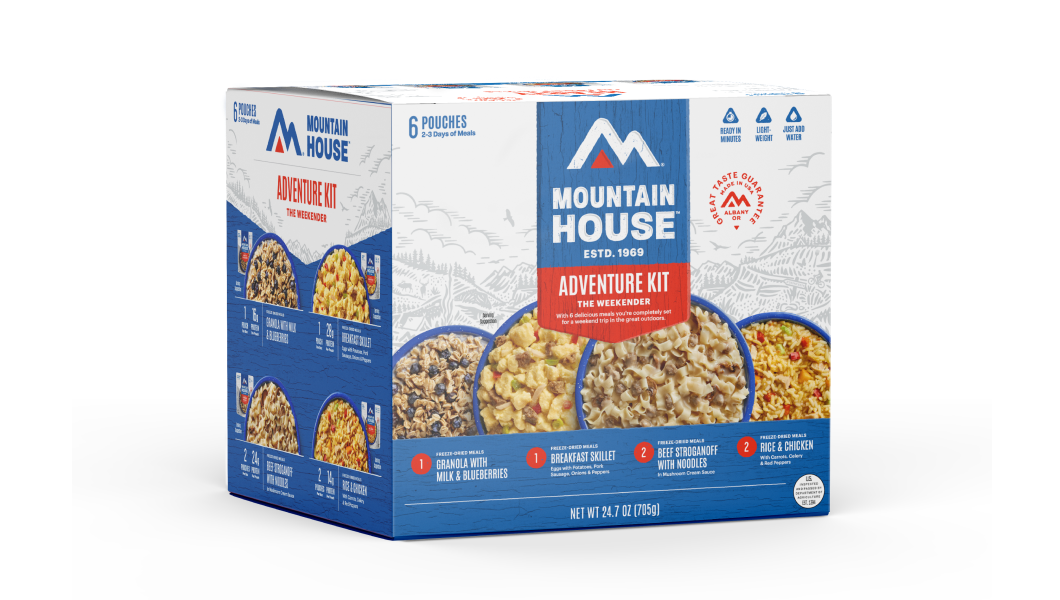
A multi-week emergency kit as the backbone, supplemented with bulk staples
-
Enough variety that no single meal repeats more than a couple of times a week
Family of four, 30 days
-
About 240,000 calories, roughly 8,000 per day combined
-
About 120 gallons of water
-
A larger emergency kit or several buckets, plus #10 cans for group-sized meals
-
Kid-friendly options and familiar flavors so mealtimes stay calm
Mountain House emergency food kits are built around three meals a day.
Storage Requirements for 30 Days
Space and conditions matter as much as quantity. A 30-day supply for a family is bulkier than people expect, so measure a closet, shelf, or under-bed space before you buy. Store everything in a cool, stable spot, since heat shortens the life of most foods, and a closet in the living space beats a hot garage or attic. Keep food dry and out of direct light, too. Sealed, rigid containers like #10 cans and buckets handle humidity far better than bags or boxes, which matters a lot in humid climates, and airtight food-grade containers do the same job for bulk staples.
Mountain House meals are freeze-dried and sealed in premium packaging at our plant in Albany, Oregon, which is what gives them a 30-year shelf life, backed by our 30-Year Taste Guarantee. If a meal ever fails to satisfy within that window, we’ll replace it.
Storing Your Water
Water is the heaviest and bulkiest part of the plan, so give it a spot first. Use food-grade containers or sealed commercial water, keep it off concrete, out of sunlight, and date each container. If a full 30-day supply of water is not realistic for your space, store what you can and back it up with a quality filter and a plan for a nearby water source.
Variety and Rotation
Two things wreck a month-long supply: food fatigue and expiration creep. Rotate through breakfasts, hearty dinners, and a few comfort meals so no one burns out, and keep a couple of treat items for morale on hard days. For shorter-life foods like canned goods and staples, use first in, first out, putting newer purchases behind older ones and eating down the front. Freeze-dried meals make this easier, because a 30-year shelf life largely takes rotation off your plate. You stock them once and check the rest of your pantry around them.
Special Considerations
A real household is more than average adults, so build for everyone under your roof. Keep at least a 30-day supply of essential medications and any special dietary foods. Pack meals your kids already eat at home, since familiar flavors matter more than nutrition math when a child is stressed. Store 30 days of pet food and water, rotated like your own. And build the whole supply around what your household can actually eat, including gluten-free meals or dairy-free options where needed.
Common Mistakes to Avoid
-
Buying for average days. Active family members, cold weather, and stress all raise calorie needs. Plan above the baseline.
-
Ignoring water. Food gets the attention, but water is the harder problem. Store it first.
-
No no-cook plan. If the power is out and you cannot boil water, you need meals that work without it. Mountain House meals can be rehydrated in cold or room temperature water, just more slowly, which covers that gap. Our guide to the best emergency food for power outages goes deeper on this.
-
One-meal monotony. A month of the same dinner means people stop eating. Variety is a supply feature, not a luxury.
-
Treating Mountain House as the whole answer. A strong supply also includes water, medical items, and complementary foods. Freeze-dried meals are the reliable, long-life core, not the entire plan.
A Week-by-Week Build Plan
Build a month of food across four manageable weeks instead of one overwhelming trip.
Week 1: water and baseline calories
-
Store one gallon per person per day toward your 30-day water goal
-
Buy bulk staples: rice, oats, pasta, and canned protein
-
Add a manual can opener and a no-power cooking method
Week 2: the freeze-dried core
-
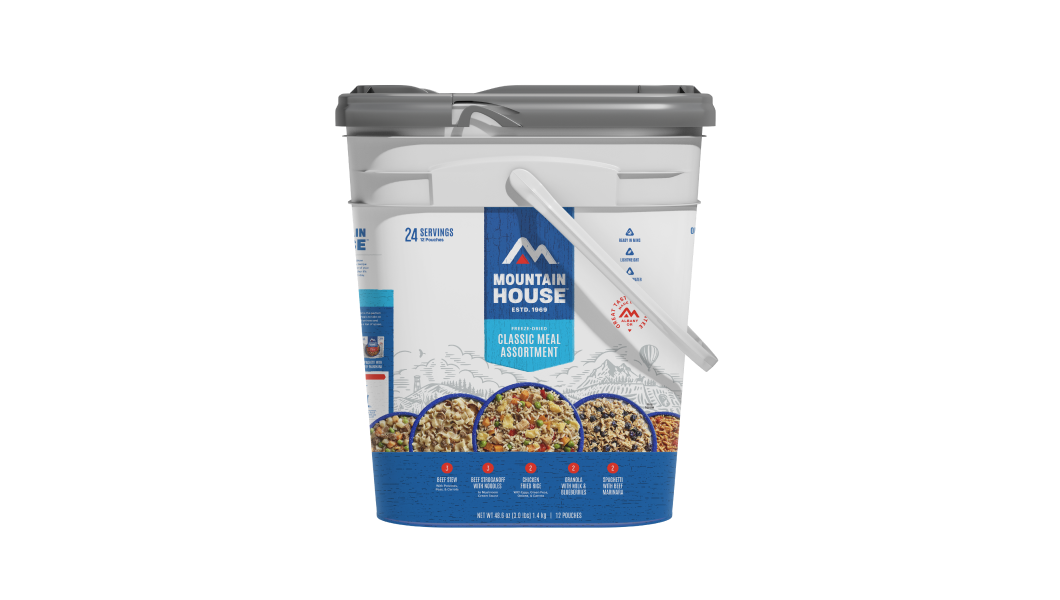
Add an emergency food kit or several buckets as your long-life backbone
-
Choose a mix of breakfasts and dinners for variety
-
Aim for roughly one week of freeze-dried meals per person
Week 3: fill the gaps and add variety
-
Add #10 cans of group-sized staples like Beef Stew, Rice & Chicken, or Chili Mac with Beef
-
Round out breakfasts, sides, and a few comfort meals
-
Cover special needs: kids’ favorites, pet food, dietary options
Week 4: backups, morale, and the audit
-
Add salt, spices, coffee, and shelf-stable treats
-
Confirm you’ve hit your calorie and water targets for every household member
-
Label a rotation date for shorter-life items and store everything in its final spot
At the end of four weeks, you’ll have a calm, organized month of food that mostly takes care of itself. If you’re starting from scratch, our guide to building a 72-hour emergency food kit is a great first step.
Frequently Asked Questions
How much food do I need for a 30-day emergency supply?
Plan for about 2,000 calories per person per day, more for active adults, teens, and cold climates. For one adult, that’s roughly 60,000 calories over 30 days, and for a family of four, about 240,000.
How much water should I store for 30 days?
FEMA and the Red Cross suggest at least one gallon per person per day, so about 30 gallons per person for a month. Store more if you have room, and keep a filter as backup.
What foods last the longest for emergency storage?
Freeze-dried meals offer the longest practical shelf life. Mountain House meals carry a 30-year shelf life, so you stock once instead of rotating every year or two.
How much does a 30-day supply cost?
It varies with household size and how much you lean on freeze-dried versus bulk staples. Building over four weeks spreads the cost, and buying #10 cans and buckets on sale lowers your per-serving price.
Can I build a 30-day supply on a budget?
Yes. Use inexpensive bulk staples like rice and oats for baseline calories, add freeze-dried meals for variety and long shelf life, and buy gradually.
Do I really need a month of food?
A 72-hour kit covers short disruptions. A 30-day supply covers extended outages, storm seasons, and times when shopping is not simple. It’s the point where a household can ride out most events calmly.
How do I store a 30-day supply in a small space?
Measure first, then use stackable #10 cans and buckets that pack efficiently. A cool interior closet works better than a hot garage or attic.
What if the power goes out and I cannot cook?
Keep no-cook options on hand. Mountain House meals rehydrate in cold water, just more slowly than with hot, so you can still eat a real meal without power.
How often should I check my supply?
Review it a couple of times a year. Rotate shorter-life items using first in, first out, and check dates on canned goods. Freeze-dried meals with a 30-year shelf life need far less attention.
Is Mountain House enough on its own?
It’s a strong, long-life core, not the whole plan. Round it out with water, medical supplies, and complementary foods so your supply covers every need.
Start With the Backbone of Your Month
A 30-day supply is one of the most reassuring things you can build for your household, and it’s far more approachable one week at a time. Mountain House meals are cooked in small batches, then freeze-dried, so your long-term food actually tastes like a familiar meal from home, backed by a 30-year shelf life. Stock up today on emergency food and survival meals and start with the core of your month.
Restocking Your Emergency Pantry for Hurricane Season
Power Outage Prep for Heat Waves