Restocking Your Emergency Pantry for Hurricane Season

Restocking your emergency pantry means auditing what you already have, filling the gaps, and refreshing anything close to expiring before peak hurricane season hits. Peak Atlantic hurricane activity runs from about mid-August through September, so late summer is the right time to check your supply rather than build it from scratch. This guide walks through a fast audit, the common gaps to fill, and a rotation system that keeps your pantry ready year after year.

Why a Mid-Season Restock Matters

If you built a kit in the spring, it isn’t automatically ready now. Snacks get raided, water gets used, batteries walk off, and expiration dates creep up. A mid-season check catches those before a storm forces the issue. The peak of the Atlantic hurricane season lands in late summer and early fall, which makes August the practical deadline for a restock, not the moment to start shopping.

A restock is also lower effort than a first build. You already own the containers, you know your space, and you have made your first round of decisions. Now you are verifying, topping up, and refreshing, which is an afternoon of work rather than a weekend project.

The Audit…What Is Actually in Your Pantry

Start with a physical inventory. Pull everything out and look.

  • Count calories against your goal. Aim for at least three days of food per person, and build toward 7 days and beyond if you can.

  • Check every date. Set aside anything expired or close to it for the use-or-replace pile.

  • Check your water. Confirm at least one gallon per person per day, and that stored water is still sealed and dated.

  • Inventory the non-food items too: manual can opener, batteries, first aid, and a no-power way to prepare meals.

Not sure what your target should be? Our guide to how much emergency food you need for 3, 7, and 30 days lays out the numbers.

Your 15-Minute Restock Checklist

Run this list top to bottom whenever you check your pantry.

  1. Pull everything out where you can see it.

  2. Set aside anything expired or damaged.

  3. Count total days of food per person against your goal.

  4. Confirm at least one gallon of water per person per day.

  5. Check for a manual can opener and a no-power cooking method.

  6. Note the gaps: calories, water, no-cook meals, kid and pet food.

  7. Buy the fresh replacements before you use up the old stock.

  8. Date and shelve new items behind older ones, first in and first out.

  9. Set a calendar reminder for your next check.

Common Gaps to Fill

Most pantries share the same holes. Check each of these against what your audit turned up.

  • Calories. Households almost always have less than they think. Add shelf-stable meals to hit your day count.

  • Water. The most common shortfall. Top up to your per-person goal first.

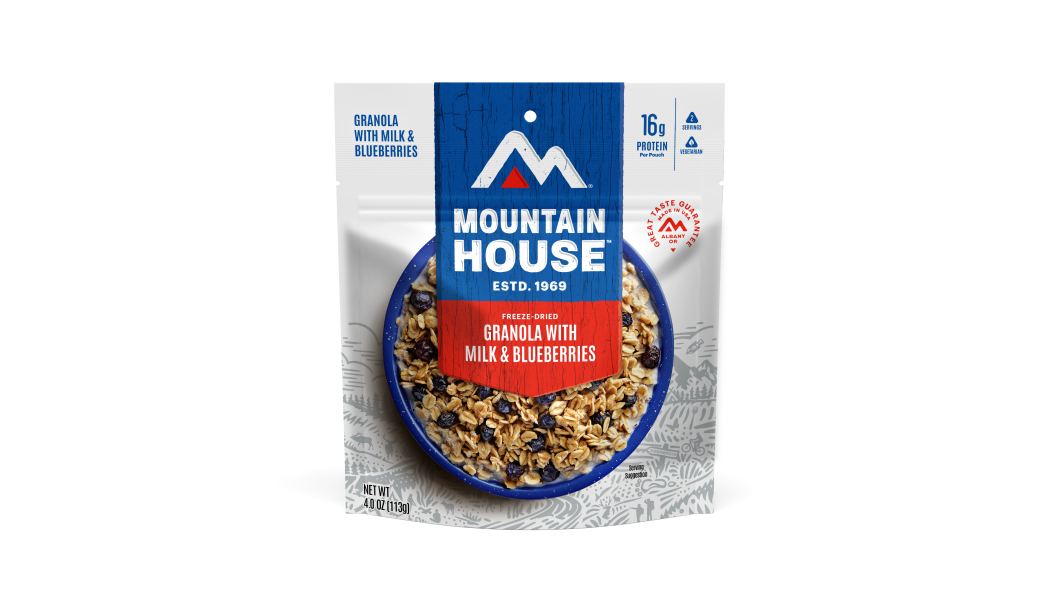
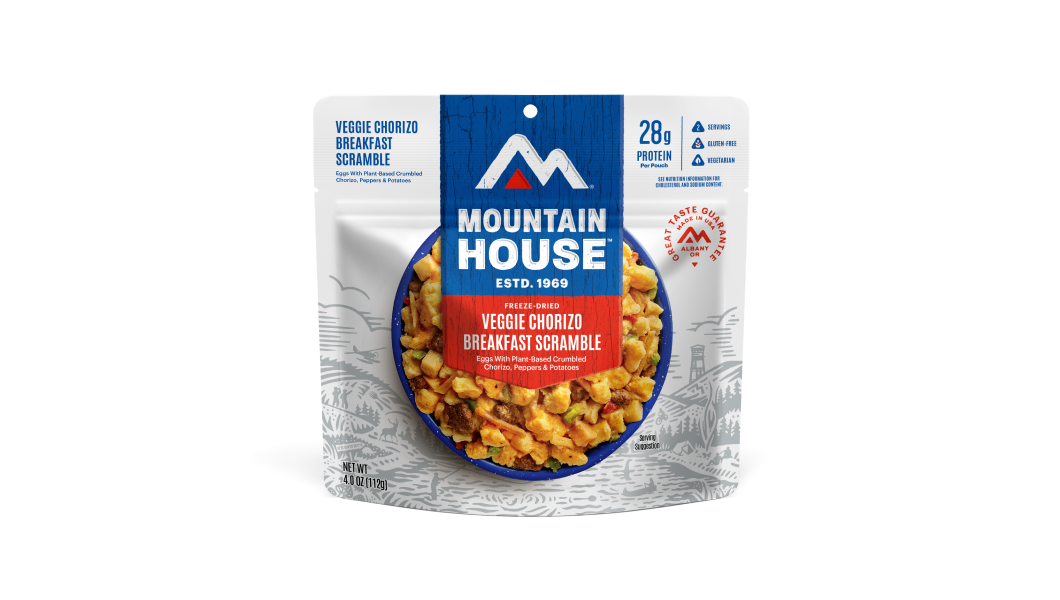
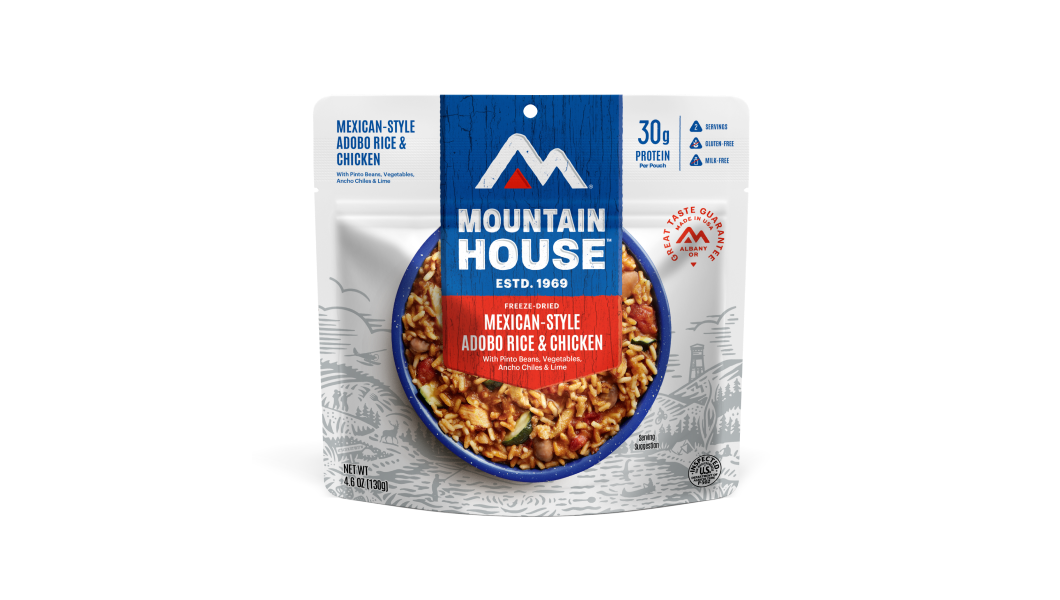
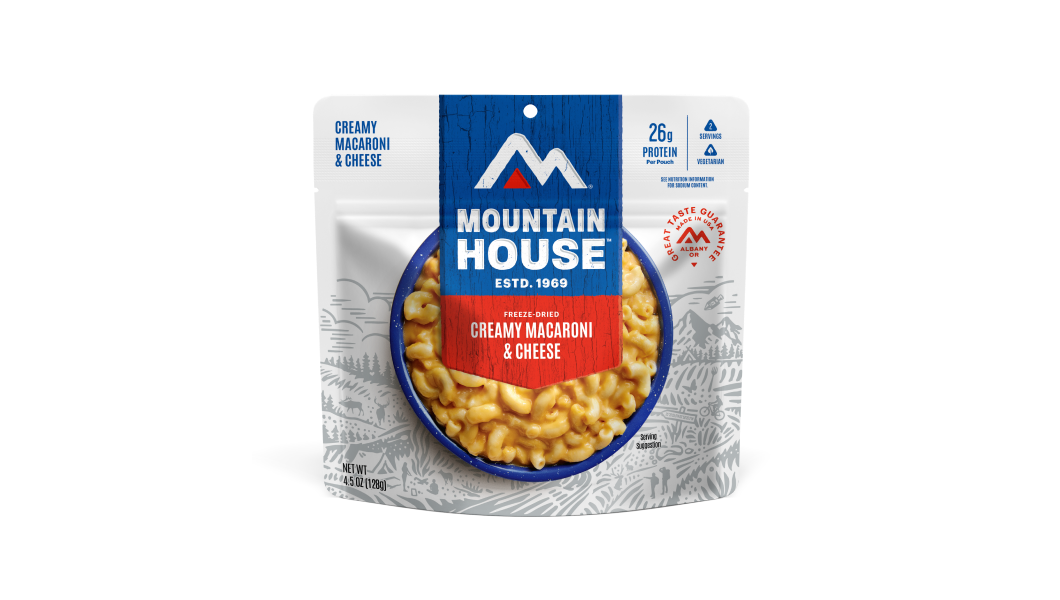
  • No-cook options. If the power is out and you can’t boil water, you need meals that work without it. Mountain House meals rehydrate in room-temperature or cold water, just more slowly, which covers that gap.

  • Kids and pets. Familiar kid foods, plus a full run of pet food and water.

Scaling Up From 72 Hours to 7 Days to 30 Days

A restock is also the moment to decide whether to grow your supply.

  • 72 hours. The baseline everyone should hold.

  • 7 days. Covers most storm-related disruptions, including delayed power and closed roads.

  • 30 days. The resilience tier for serious storm-country households and longer outages.

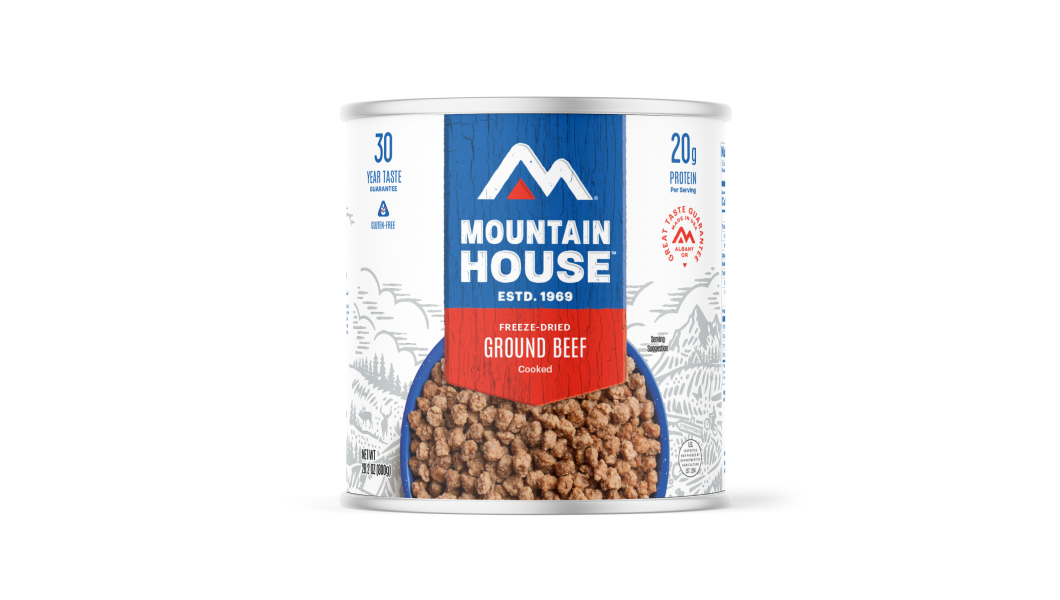
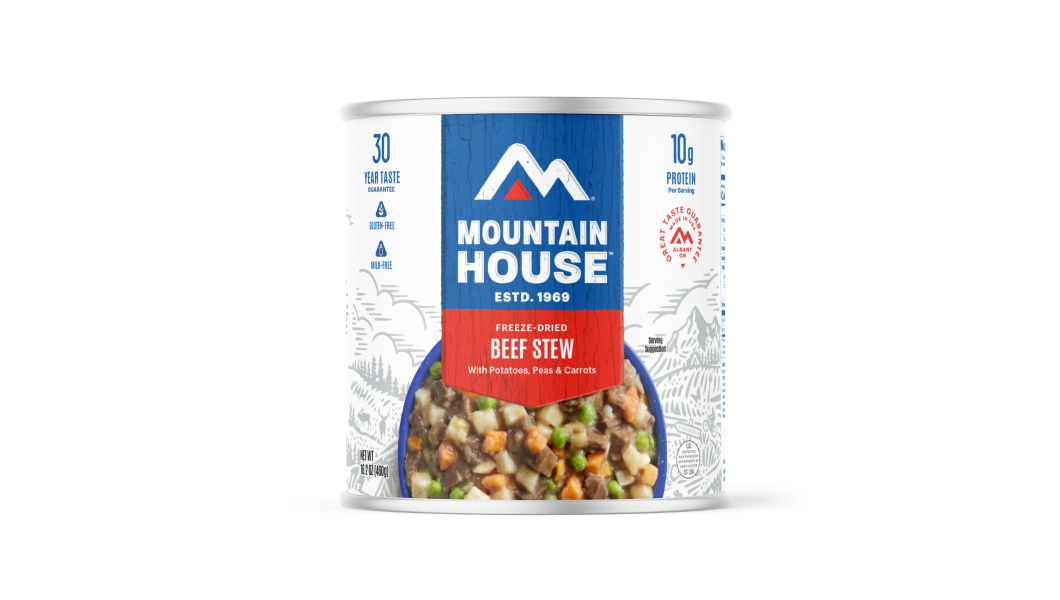
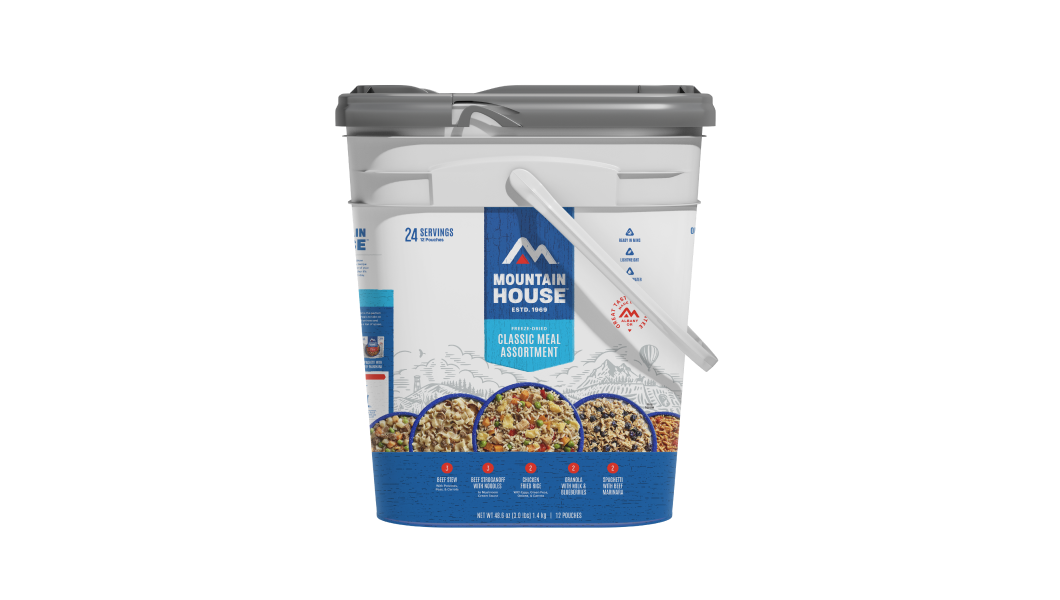
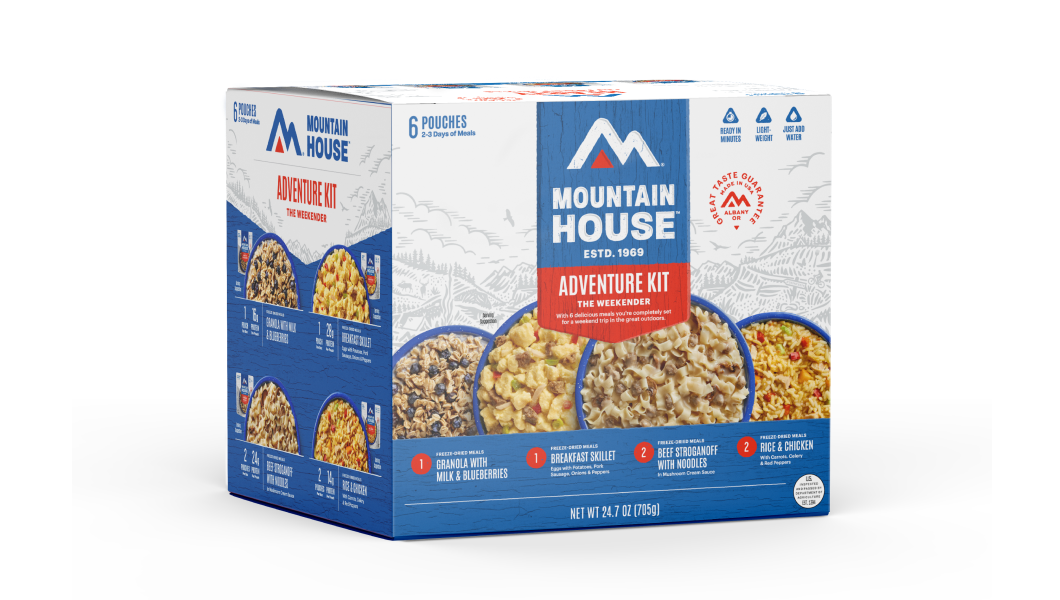
If you’re ready to scale, our companion guide on building a 30-day emergency food supply lays out the full plan. Mountain House emergency food kits are built around three meals a day, so stepping from a 3-day to a 7-day or 14-day kit is straightforward, and #10 cans handle group-sized meals for a larger household.

Scaling up during a restock is easy because you are adding to a system that already works. Buy the next tier of kit, slot it in behind what you have, and update your day count.

A Rotation Framework That Actually Sticks

The goal is a pantry that refreshes itself without a big annual scramble. Set the system up once, and each future check becomes a quick top-up instead of a teardown.

  • Use first in, first out. Put new purchases behind older ones and eat from the front.

  • Date everything with a marker as it comes in.

  • Set two calendar reminders a year: a spring check and a late-summer restock like this one.

  • Separate your long-life core from your rotating stock. Freeze-dried meals with a 30-year shelf life sit quietly in the background, while canned goods and staples are what you actively rotate.

What to Do With Food That Is About to Expire

Don’t just toss it.

  • Eat it down. Work near-date items into normal meals over the next few weeks.

  • Donate unexpired extras. Local food banks welcome shelf-stable donations.

  • Replace as you go. Buy the fresh version now so there’s no gap while you use up the old.

This is where a long shelf life pays off. Because Mountain House meals last 30 years, most of your restock effort goes to shorter-life items, not your core meals.

Frequently Asked Questions

When should I restock my emergency pantry for hurricane season?

Late summer, before the mid-August through September peak. A check in the spring and another in late summer keeps you covered through the whole season.

How often should emergency food be rotated?

Rotate shorter-life items like canned goods and staples using first in, first out, and check dates twice a year. Freeze-dried meals with a 30-year shelf life need far less attention.

What should I add first when restocking?

Water, then calories. Top up to at least one gallon per person per day, then fill any gap between what you have and your target day count.

What food is best for a hurricane with no power?

Meals that need no cooking. Freeze-dried meals rehydrate in room-temperature or cold water when you can’t boil, and shelf-stable basics like nut butter, crackers, and canned goods round out a no-power plan.

How much emergency food do I need?

Hold at least three days per person, and build toward 7 days and beyond in storm-prone regions. Scale to your household size and anyone with special needs.

Can I restock a little at a time?

Yes, and it’s often easier on the budget. Add water and a few shelf-stable meals on each grocery run through late summer, and prioritize any gaps you found in your audit first.

Close the Gaps Before Peak Season

A mid-season restock takes an afternoon and buys a whole season of peace of mind. Mountain House meals are cooked in small batches, then freeze-dried, so the core of your pantry stays reliable and ready for 30 years, backed by the 30-Year Taste Guarantee. For a first-time build, start with our guide to building a 72-hour emergency food kit. Stock up today on emergency food and survival meals, and close the gaps before peak season.


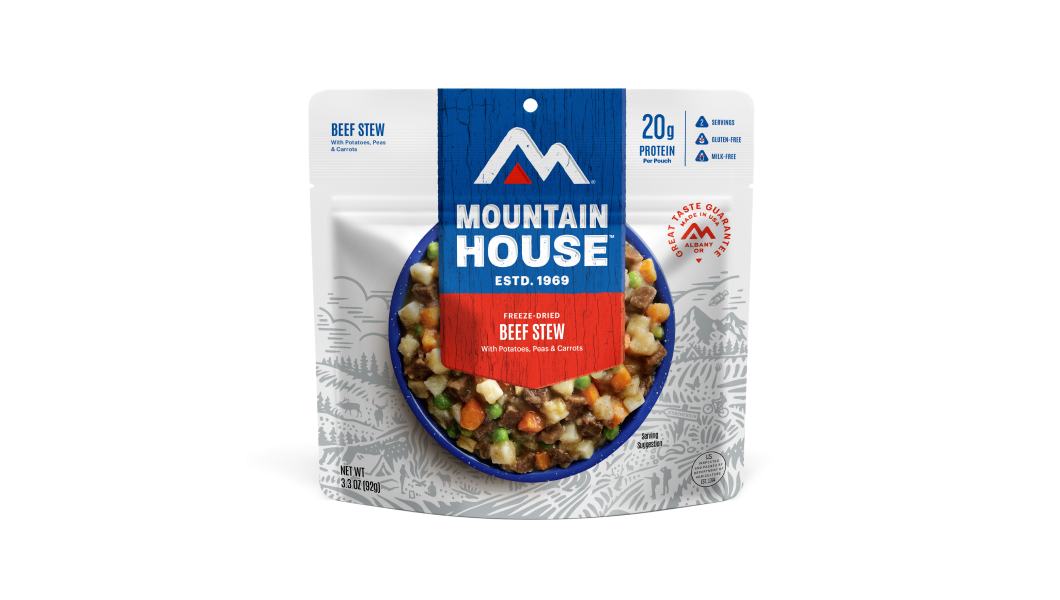
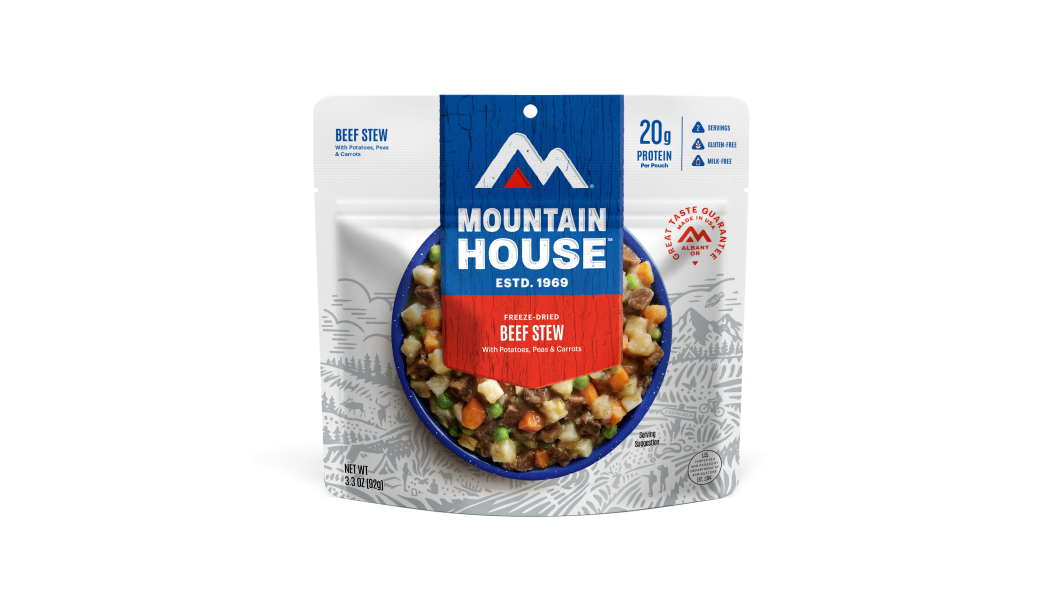
Inspired for an Adventure? Check out Beef Stroganoff - Pouch and Beef Stew - Pouch