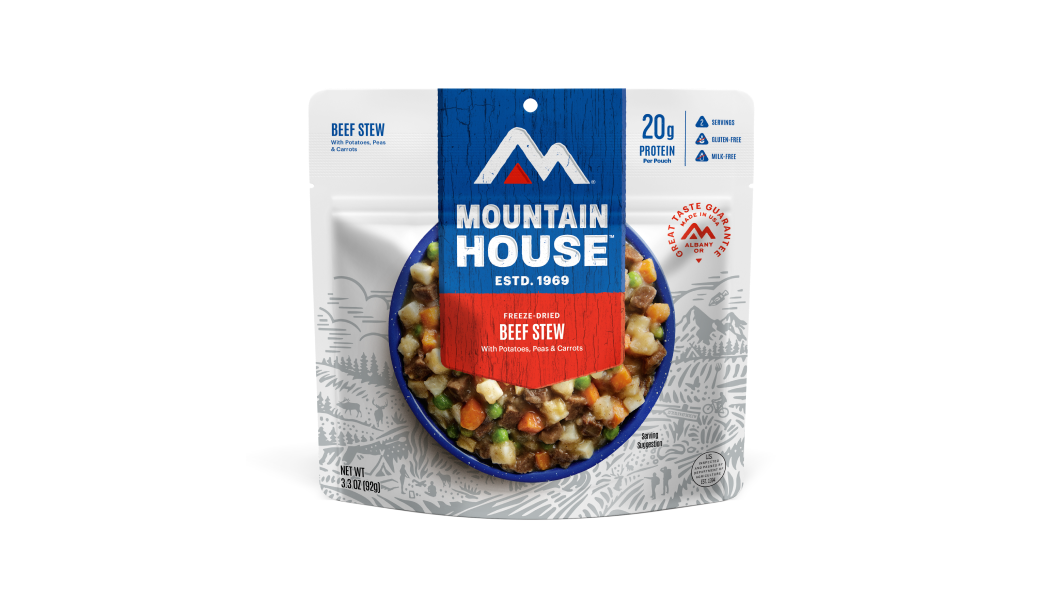
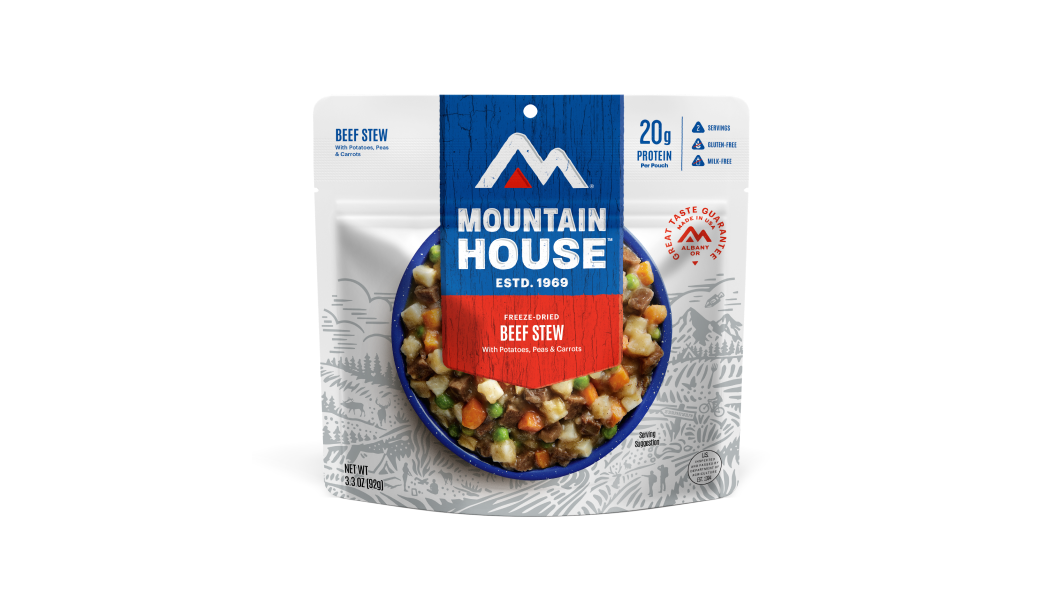
Inspired for an Adventure? Check out Beef Stroganoff - Pouch and Beef Stew - Pouch
If you live somewhere where winter storms regularly cause power outages or make roads impassable, a winter emergency kit can give you peace of mind. A family emergency food supply should include at least three days of food for each family member, with three meals a day. The easiest way to start building an emergency kit is with shelf-stable meal pouches.
Why Every Family Needs a Winter Emergency Food Kit
An emergency food supply ensures that your family has a dependable way to eat if snowstorms or power outages interrupt your normal routine. Even if your kitchen is well-stocked, an extended power outage can render your fridge and freezer supply inedible. Additionally, power outages make it impossible to use conventional heating methods like electric stoves and microwaves, making enjoying a hot meal even more challenging.
For parents, there’s another consideration: keeping the family’s routine as normal as possible to reduce upsets. Kids are still going to wake up hungry and want their regular meals, plus being in a winter storm can create some added stress and fear for little ones. Having food you know they’ll eat can make an already stressful situation a little easier on everyone.
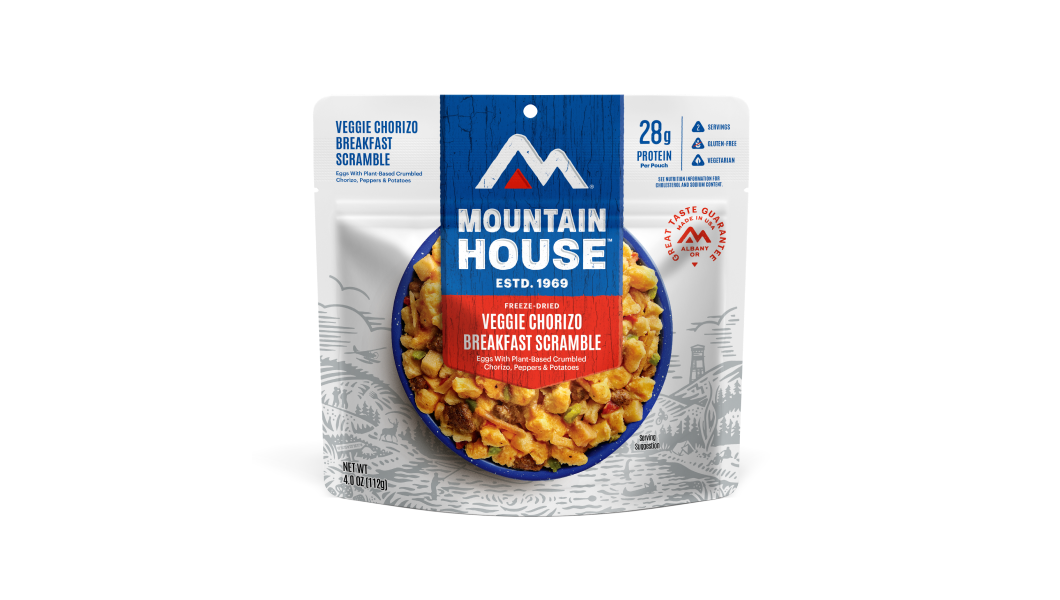
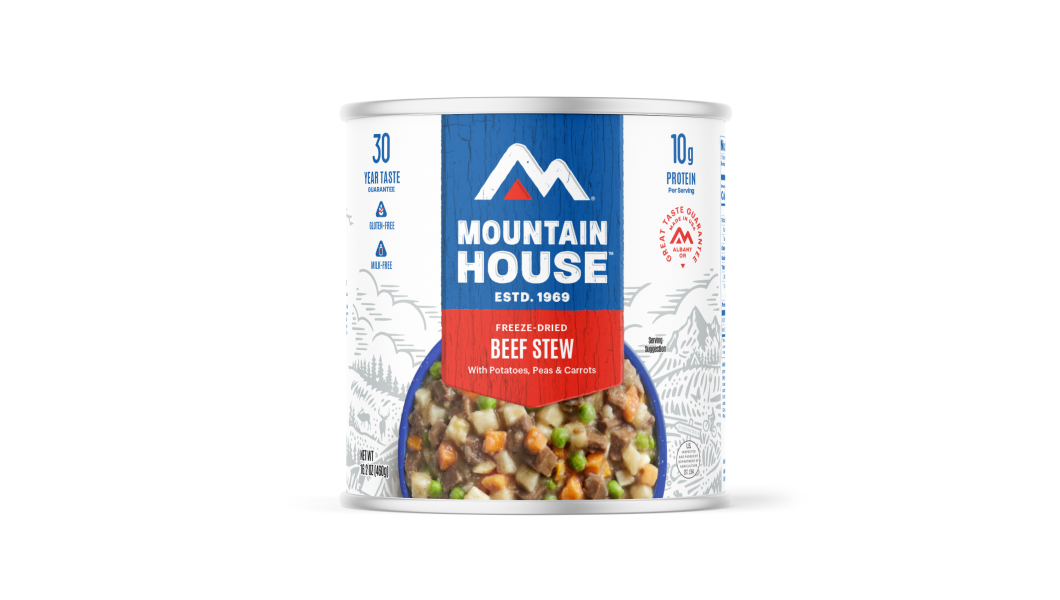
Mountain House has been making freeze-dried meals since 1969, and our emergency food and survival collection makes it easy to prepare for the worst. Our meals are fully cooked before freeze-drying, so there’s no need to worry about prepping ingredients or cooking a meal from scratch. All you need is water (hot or cold) and time, and your meal will be ready in minutes. Our freeze-dried meals have a 30-year shelf life and are backed by our 30-year Taste Guarantee when stored properly.
How Much Emergency Food Does a Family Need?
To calculate your family’s emergency food supply needs, multiply the number of people in your house by three meals per day, then multiply by the number of days you want to be prepared for (a minimum of three days is a good idea). For example, a family of four needs 12 meals per day, so if you want to build a supply that lasts three days, you will need 36 meals. Some Mountain House pouches contain multiple servings, so one pouch may provide enough food for more than one person depending on their appetite.
When building an emergency winter food supply, make sure you take into account both the number of meals as well as total calories. A young child needs fewer calories than an adult. You’ll want to make sure the overall amount of food in your supply is appropriate for the size and ages of everyone in your household.
What’s Included in Mountain House Multi-Day Emergency Food Kits?
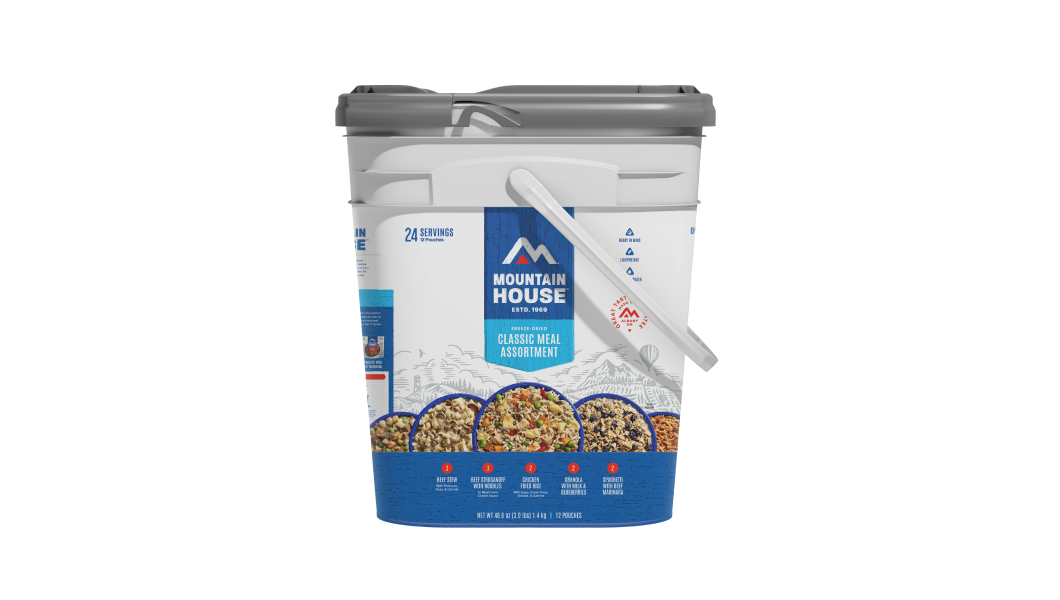
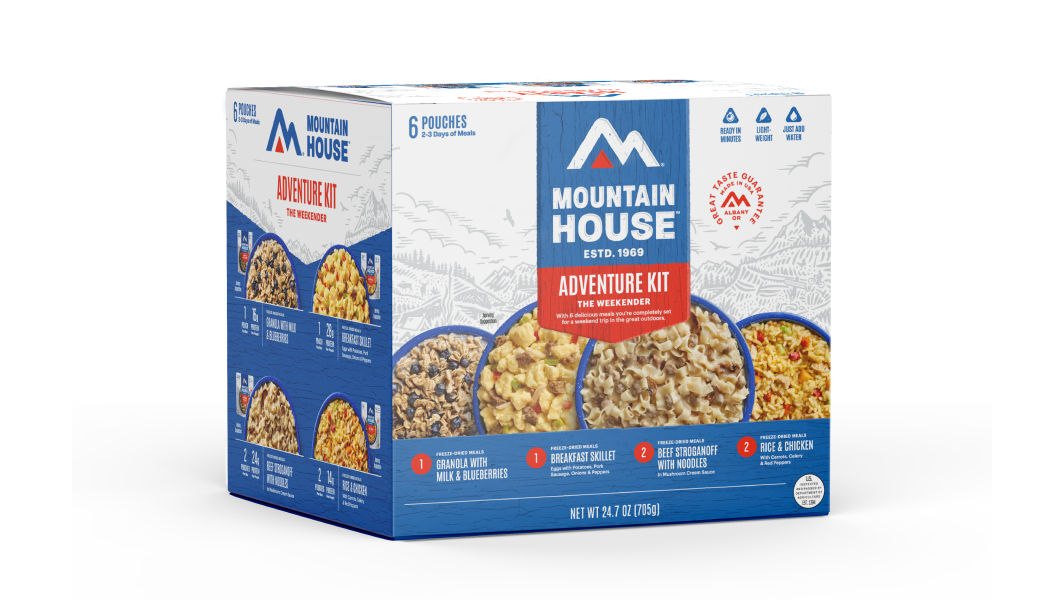
Mountain House multi-day emergency food kits contain an assortment of freeze-dried meals designed to give you a reliable food source for several days or longer. These pre-packed emergency kits make emergency planning simple by pre-planning breakfasts, lunches, and dinners.
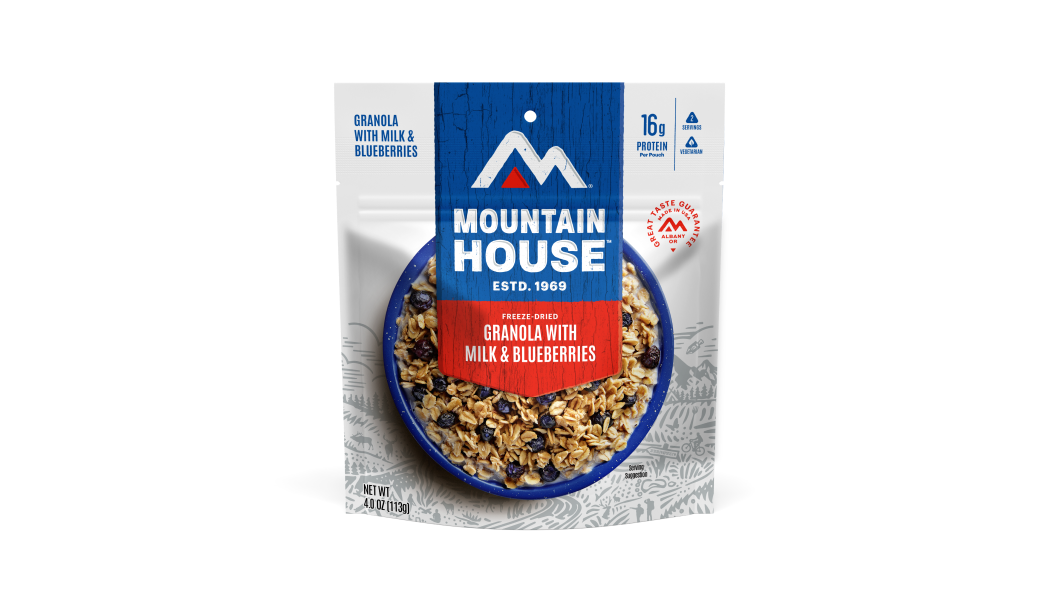
Our Just in Case...® 3 Day Emergency Food Supply, for example, is designed to provide breakfast, lunch, and dinner for one person over three days. It contains nine pouches with 18 total servings, featuring familiar favorites such as Granola with Milk and Blueberries, Biscuits and Gravy, Chicken Fried Rice, Chicken & Dumplings, and Beef Stroganoff with Noodles. The kit provides about 1,700 calories per day. For a family of four, you could start by getting four of these three-day kits, then adjusting your supply based on everyone’s appetites.
What Emergency Meals Will Kids Actually Eat?
The best way to prepare emergency meals for kids is to think about what they eat regularly. Choose recipes that align with your child’s personal preferences and don’t just assume they’ll eat something from a prepackaged assortment. During a winter storm, dinner may be one of the only familiar parts of their routine, so serving something they recognize can help them feel a little more at ease.
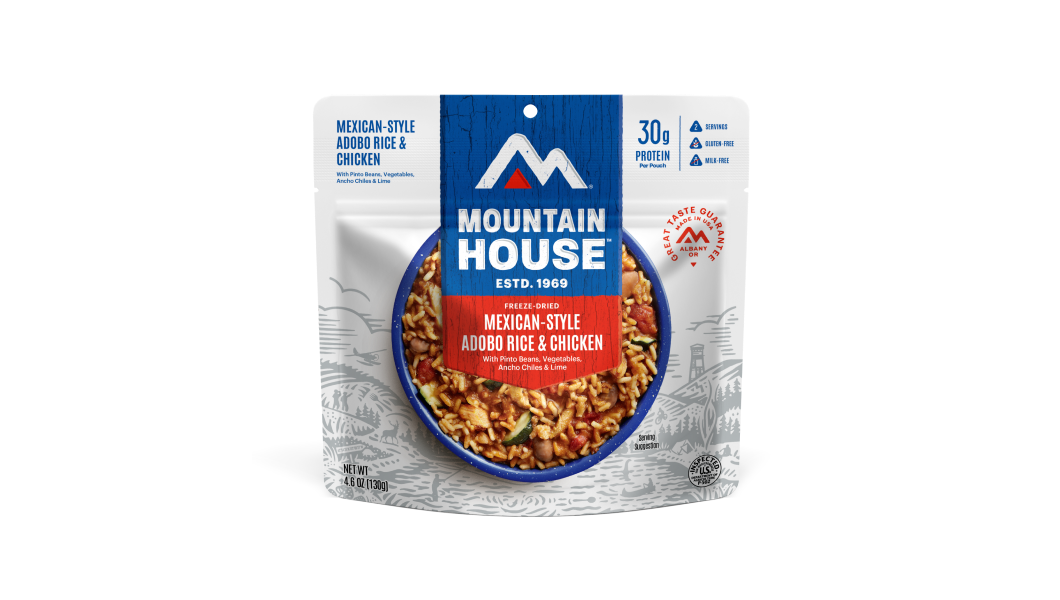
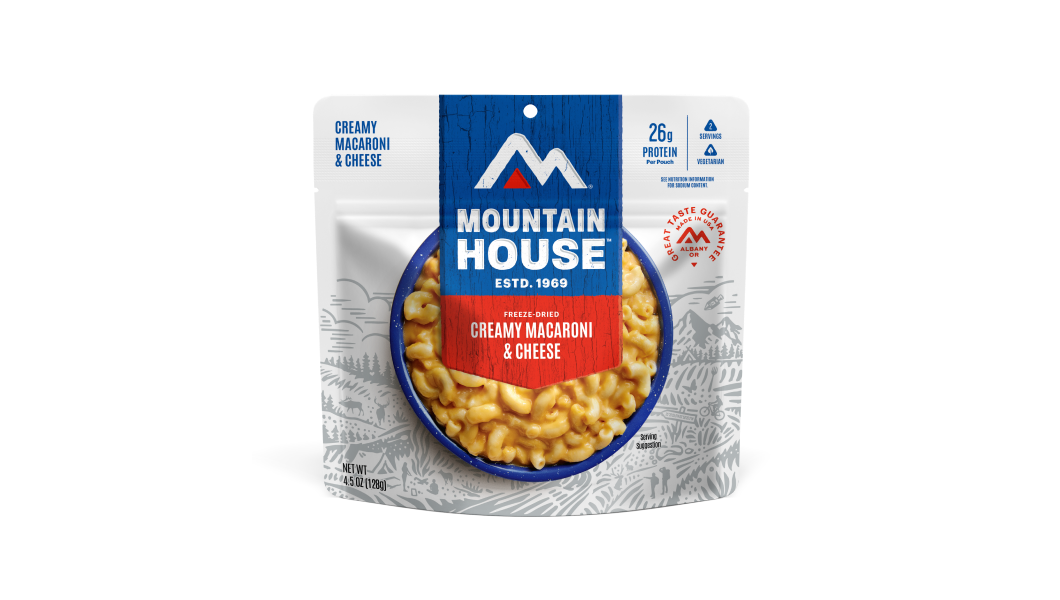
Mountain House offers several comforting kid-friendly pouches, like:
Before finalizing your emergency meal supply, give everyone in the family a chance to pick a couple of meals they would enjoy.
What Else Do You Need to Prepare Emergency Meals During a Power Outage?
Along with your food supply, you’ll need a separate supply of safe drinking water, meal prep water, and a reliable way to prepare meals without electricity. Each Mountain House pouch has individual water requirements for rehydration. A well-maintained camp stove is a good way to heat water for freeze-dried meals; however, these stoves can only be used in appropriate outdoor areas. Mountain House meals can also be prepared using cold water, though it takes about twice as long to rehydrate.
How to Store Your Family Emergency Food Supply
Store your emergency food kit in a cool (below 75 degrees), dry location. Mountain House meals have a 30-year shelf life when stored properly, so while a garage or outdoor shed may seem like a convenient place to store a food supply, the temperature swings in these locations are less suitable for long-term winter food supplies.
Unlike other kinds of emergency food, Mountain House meals don’t need to be replaced every year, but it's always good to review your food supply at seasonal changes to make sure it still aligns with your family’s needs.
Stock Up Today for Winter Weather
Preparing your family’s emergency food supply doesn’t need to be stressful. Start with the number of people in your household and how many days you want to be prepared for. From there, choose a kit or individual meals that align with your family’s needs and preferences.
With Mountain House, you can stock your pantry with fully cooked, freeze-dried meals your family can enjoy in a pinch. Stock up today with Multi-Day Emergency Food Kits and get your family ready for whatever winter brings.
Restocking Your Emergency Pantry for Hurricane Season
How to Build a 30-Day Emergency Food Supply